
Mica Component Manufacturing for High-Temperature Equipment
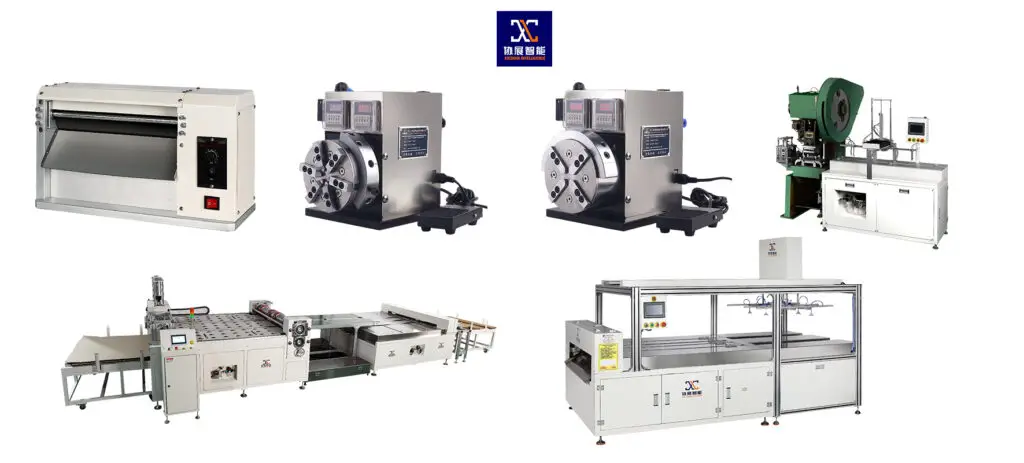
Engineering Reliable Mica Components for Extreme Heat Applications
When manufacturers select mica processing equipment for high-temperature applications, the key question is not simply “which machine can cut mica?” The real question is whether the processing method can maintain dimensional accuracy, insulation stability, and repeatable quality after thousands of heating cycles. For industrial heaters, furnaces, motors, and electrical equipment, mica components must survive heat, mechanical stress, and long-term operation. Choosing the right forming and machining solution directly affects product reliability and production cost.
From years of working with industrial equipment buyers, I have found that many factories focus on the material first but underestimate the influence of processing technology. Natural mica has excellent thermal resistance, but improper cutting, forming, or handling can create hidden defects that appear only after the final product enters operation.
Why Do High-Temperature Equipment Manufacturers Need Precision Mica Components?
High-temperature equipment manufacturers use mica components because mica provides electrical insulation while maintaining stability under heat exposure. However, the performance of the final component depends not only on mica quality but also on how accurately the material is processed.
The reason is simple: mica sheets contain layered mineral structures. During machining, excessive mechanical stress or inaccurate cutting forces can damage the edges or create micro-cracks between layers. The mechanical principle behind reliable processing is controlling cutting pressure, feeding speed, and positioning accuracy so that the mica structure remains intact. The result is a component that maintains insulation performance during continuous heating cycles.
Many buyers evaluate mica components by thickness and temperature resistance only. In practical production, edge quality and dimensional consistency often determine whether a heater assembly remains stable after long-term operation.
For companies producing heating elements, band heaters, hair dryers, industrial ovens, and electrical insulation parts, precision processing becomes a manufacturing capability rather than a simple cutting operation.
A complete production solution normally involves cutting, punching, shaping, feeding, and quality control processes. Manufacturers looking for integrated equipment solutions can review different options through our Mica Sheet & Mica Board Processing Machines category, where different machines are designed for different mica processing requirements.
How Should Manufacturers Choose Equipment for Heat Resistant Mica Forming?
The correct equipment selection depends on the final application, production volume, and required component structure. A common mistake is selecting a machine according to price or maximum cutting size without considering the actual manufacturing process.
The reason is that different high-temperature products create different processing challenges. A simple insulation washer requires different accuracy compared with a complex mica support used inside industrial heating assemblies. The machine mechanism must match the material movement, forming method, and tolerance requirement. The result is a more stable production process with lower material waste.
| Equipment Choice | Typical Application | Processing Requirement | Recommended Buyer |
|---|---|---|---|
| Automatic mica cutting equipment | Large mica sheets and insulation plates | Stable dimensions and repeat production | Medium and large heater manufacturers |
| Mica punching equipment | Washers, terminals, custom shapes | Accurate hole position and clean edges | Component production factories |
| Mica forming equipment | Three-dimensional insulation parts | Controlled forming pressure | High-temperature equipment suppliers |
Engineering Experience: Processing Accuracy Matters More Than Machine Speed
In actual factory environments, increasing machine speed does not always improve production efficiency. The reason is that mica is a brittle layered material. When feeding speed increases beyond the stable processing range, edge damage and material loss may increase. The mechanical result is more rejected parts and additional manual inspection.
A slower but stable processing cycle often produces a higher effective output because fewer components require rework. For procurement managers, the important measurement is not only pieces per hour but qualified pieces per working shift.
Before purchasing mica machining equipment, evaluate your complete production process:
1. What mica component shapes are required?
2. What tolerance level does the heater assembly need?
3. How much material waste is acceptable?
4. Is future production expansion expected?
A machine that matches today’s order volume but cannot support future products may increase investment costs later.
According to industry research from thermal insulation and electrical material sectors, manufacturers are increasingly moving toward automated material handling and precision processing because labor-intensive mica preparation creates inconsistent quality risks. This trend is especially visible in heater manufacturing, where customers require higher reliability and longer service life.
How Does Industrial Mica Machining Improve Component Reliability?
For high-temperature equipment manufacturers, machining quality determines whether mica components can maintain stable performance after installation. Many factories initially consider mica as a simple insulation material, but experienced engineers know that the processing stage can change the final reliability of the product.
The reason is that industrial mica parts are often installed in areas exposed to repeated thermal expansion and contraction. During operation, the heater structure expands when heated and contracts during cooling. If mica components have uneven edges, inaccurate dimensions, or internal damage caused during machining, mechanical stress concentrates around weak points. The processing principle is to use controlled cutting force, stable positioning, and accurate forming methods to preserve the original insulation structure. The result is better resistance against cracking, deformation, and electrical failure during long-term use.
Which Mica Processing Method Fits Different High-Temperature Applications?
Selecting the right processing method depends on the final component function rather than only the mica material itself. A mica part used inside a household heating appliance and a mica insulation component used in industrial furnaces may use the same basic material but require completely different processing strategies.
The reason is that application environments create different mechanical requirements. Thin mica insulation parts usually need clean cutting edges and stable dimensions, while structural mica supports may require stronger forming capability. The machine mechanism must match the component geometry, production volume, and tolerance requirements. The result is a production line that avoids unnecessary processing steps and reduces material waste.
| Application Type | Mica Component Requirement | Recommended Processing Method | Key Quality Control Point | Suitable Equipment Direction |
|---|---|---|---|---|
| Industrial heaters | Large insulation plates and supports | Automatic cutting and precision shaping | Flatness and dimensional consistency | CNC mica processing equipment |
| Band heaters | Ring-shaped or formed mica insulation | Punching and forming process | Hole position and edge quality | Mica punching and forming machines |
| Small heating appliances | Compact insulation parts | High-speed cutting and feeding | Repeatability and low waste rate | Automated mica sheet processing machines |
The best mica processing solution is not always the machine with the highest production speed. For high-temperature components, process stability usually creates more value because one failed insulation part can damage the reliability reputation of the complete heating product.
How Can Manufacturers Select the Right Mica Forming Equipment?
When engineers evaluate mica forming equipment, they should start from the final product structure instead of selecting equipment based only on machine specifications.
The reason is that different heater manufacturers have different production priorities. Some factories need flexibility because they produce many customized heater models. Others need automation because they produce millions of standard insulation parts every year. The mechanical design of the equipment determines whether it can handle frequent adjustment, continuous operation, or high-volume production. The result is a better match between equipment investment and actual manufacturing goals.
| Machine Consideration | Production Situation | Engineering Requirement | Purchasing Recommendation |
|---|---|---|---|
| Processing accuracy | Precision heating components | Stable dimensions and repeatability | Prioritize accurate positioning systems |
| Automation level | Continuous production lines | Reduce manual handling variation | Consider automatic feeding systems |
| Machine flexibility | Multiple heater designs | Fast product changeover | Choose adjustable processing solutions |
In practical projects, we often find that buyers who provide detailed information about their heater structure, mica thickness, production volume, and tolerance requirements receive much more suitable equipment recommendations. Equipment selection should be treated as a manufacturing planning decision rather than a simple machine purchase.
Companies comparing different mica material suppliers and processing methods can also review industry information such as Top 13 Mica Sheet Manufacturers to better understand material characteristics and supplier differences before finalizing their production strategy.
Which Mica Processing Equipment Is Suitable for High-Temperature Component Production?
For manufacturers producing high-temperature equipment, the final equipment choice should be based on component structure, production volume, and future product expansion. A common purchasing mistake is selecting a machine only according to current demand. In reality, industrial heater manufacturers often develop new models, increase output, or change insulation designs after several years of operation.
The reason is that high-temperature applications continue to demand better thermal efficiency and smaller component designs. As heater structures become more compact, mica parts require higher forming accuracy and better consistency. The mechanical principle behind reliable production is combining suitable cutting technology, stable feeding, and accurate positioning control. The result is a manufacturing process that can support both current production and future product upgrades.
Real Production Example: Mica Board Processing for Industrial Heater Components
For large mica insulation parts used in industrial heaters, manufacturers usually require accurate sheet cutting, edge finishing, and repeatable dimensions. In this situation, equipment such as the XZ-XB1300 Fully Automatic Mica Board Four Edge Trimming and Cutting Machine can provide a practical solution.
This machine is designed for large mica board processing with a board size capability of approximately 1300mm × 1300mm. It uses CNC adjustable control, supports mica thickness from 0-6mm, and achieves cutting accuracy within ±0.2mm under suitable operating conditions.
The reason this type of equipment is valuable for heater manufacturers is that large mica sheets are difficult to handle consistently through manual cutting. The mechanical advantage comes from automated positioning and controlled cutting movement, which reduces operator influence during repeated production. The result is lower material waste and more stable insulation component quality.
| Equipment Model | Main Application | Key Parameters | Suitable Production | Buyer Benefit |
|---|---|---|---|---|
| XZ-XB1300 Fully Automatic Mica Board Four Edge Trimming and Cutting Machine | Large mica insulation plates | 380VAC, 5800W, 130×130cm board size, thickness 0-6mm, ±0.2mm accuracy | Industrial heaters and large insulation components | Stable dimensions and reduced manual adjustment |
| XZ-JB1212 Fully Automatic Mica Board Cutting Machine | Standard mica board cutting | 380VAC, 3800W, 120×120cm board size, thickness 0-3mm, ±0.2mm accuracy | Medium-volume heating element factories | Balanced investment and production efficiency |
| XZ-J730D Mica Paper Molding Machine | Small formed mica insulation parts | 220VAC, 200W, mica thickness 0.4-1mm | Compact heater components and customized parts | Flexible forming capability |
When planning a mica processing line, do not only calculate today’s output requirement. Evaluate:
• Expected product changes in the next 3-5 years
• Required tolerance after final heater assembly
• Percentage of manual handling that can be replaced
• Material waste reduction potential
A slightly more flexible production solution often creates better long-term value than choosing the lowest initial investment.
How Does a Professional Mica Processing Partner Reduce Manufacturing Risk?
High-temperature component production is not only about purchasing a machine. It requires cooperation between material selection, equipment design, processing technology, and production experience.
The reason is that mica processing problems are usually discovered late in the manufacturing process. A small dimensional difference in a mica insulation part may not appear during cutting but can affect heater assembly, thermal distribution, or electrical insulation performance. Professional suppliers reduce this risk by understanding the complete production chain. The result is faster commissioning, fewer production adjustments, and more predictable manufacturing performance.
At Xiezhan, we focus on helping manufacturers build suitable mica processing solutions according to their real production requirements. Through previous cooperation projects, we support customers with equipment selection, processing discussions, and production application analysis. More information about our cooperation experience can be found on our Client Cooperation page.
For companies requiring customized high-temperature insulation processing solutions, understanding the relationship between machine capability and product requirements is essential. Our team provides manufacturing guidance based on practical equipment experience, which helps customers select suitable solutions instead of simply purchasing standard equipment. You can learn more about our company background through our About Us page.
What Should Buyers Consider Before Investing in Mica Machining Equipment?
Before making a final purchasing decision, engineering managers should evaluate the complete production workflow rather than a single machine specification.
- Material compatibility: confirm mica sheet type, thickness range, and forming requirements.
- Production stability: evaluate repeat accuracy instead of only maximum speed.
- Future scalability: consider whether the equipment can support new heater designs.
- Technical support: ensure the supplier can assist during installation and production adjustment.
In high-temperature equipment manufacturing, mica components are small parts with a large influence. The quality of insulation components affects heater reliability, customer satisfaction, and long-term operating cost. The strongest production systems are not built around the fastest machine, but around the most suitable combination of material control, processing accuracy, and manufacturing experience.
If you are planning a new mica component production line or upgrading existing equipment, our engineering team can discuss your application requirements and recommend a suitable processing approach. You can contact us through our Contact Us page for further technical communication.
A reliable mica machining process creates more than accurate components. It creates a stable foundation for high-temperature equipment manufacturers who need consistent quality, reduced waste, and dependable production performance.