
Heating Element Winding vs Coil Winding: What’s the Difference?
When buyers ask whether heating element winding and coil winding are essentially the same process, the honest answer is no — and choosing the wrong one often leads to unstable heating performance, premature failures, or production inefficiencies. This article breaks down where these two winding concepts overlap, where they fundamentally differ, and how experienced manufacturers make the right decision based on application, material behavior, and long-term reliability.
Why Heating Element Winding and Coil Winding Are Often Confused
From a distance, both processes involve winding conductive wire around a form. This visual similarity explains why procurement teams — especially those sourcing across borders — sometimes treat them as interchangeable. In practice, however, heating element winding is governed by thermal behavior and resistance stability, while coil winding focuses primarily on electromagnetic performance.
In many Asian manufacturing contexts, heating element winding is referred to as “resistance wire forming” or “heater core winding,” whereas European buyers may classify it under thermal component assembly. By contrast, coil winding is more commonly associated with motors, transformers, relays, and inductive components.
Structural Differences That Affect Performance
Wire Behavior Under Heat vs Magnetic Load
Heating elements use resistance alloys such as NiCr or FeCrAl, selected for predictable resistance change under temperature. The winding pattern must allow controlled expansion, airflow exposure, and uniform heat distribution. Coil winding wires — often copper or aluminum — are optimized for conductivity and magnetic response, not continuous thermal cycling.
This difference alone explains why conventional coil winding machines struggle to produce stable heater coils for hair dryers, heat guns, or electric heaters.
Core, Forming, and Tension Control
Heating element winding typically involves open-air mandrels, mica supports, or ceramic cores, requiring precise tension control to avoid micro-fractures in high-temperature alloys. Coil winding, on the other hand, often relies on rigid bobbins and layered turns where compactness is a priority.
Modern winding machine systems designed for heating elements account for alloy spring-back, thermal elongation, and post-form shaping — parameters rarely addressed in traditional coil winding setups.
Application-Based Comparison: Where Each Method Belongs
| Application | Heating Element Winding | Coil Winding |
|---|---|---|
| Hair dryers / heat guns | ✔ Required | ✖ Not suitable |
| Electric heaters | ✔ Standard | ✖ Thermal risk |
| Motors / transformers | ✖ Not applicable | ✔ Core application |
Buyers sourcing equipment for heating applications often discover this distinction only after failed pilot runs. Retrofitting a coil winding setup to handle resistance wire usually increases scrap rate and reduces consistency.
What Experienced Buyers Look for in Heating Element Winding Equipment
Seasoned procurement teams evaluate more than winding speed. They focus on how the machine manages alloy behavior, repeatability, and downstream assembly compatibility.
- Stable resistance tolerance across batches
- Consistent pitch under thermal expansion
- Compatibility with mica sheets, ceramic cores, or heating frames
- Ease of adjustment for different heater geometries
This is why manufacturers often turn to specialized suppliers like Guangdong Xiezhan, a heating element winding machine manufacturer and factory with long-term experience in resistance wire processing rather than general coil winding.
For a deeper technical breakdown of heater-specific designs, see our detailed guide on Heating Element Winding Machines Explained.
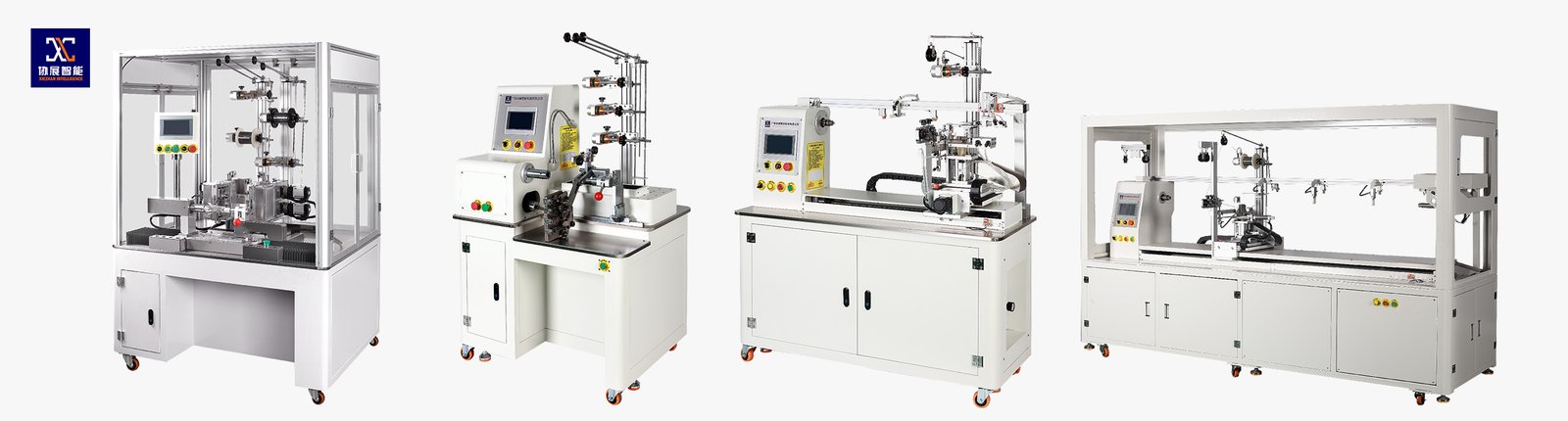
Market Limitations of Generic Coil Winding Solutions
Many off-the-shelf coil winding machines prioritize speed and compact layering. When applied to heating elements, these machines often introduce:
- Uneven heating due to inconsistent spacing
- Wire fatigue from over-tensioning
- Difficulty integrating with mica or frame-based assemblies
In contrast, purpose-built heating element winding equipment is designed to accommodate post-winding shaping, eyelet riveting, and assembly integration without rework.
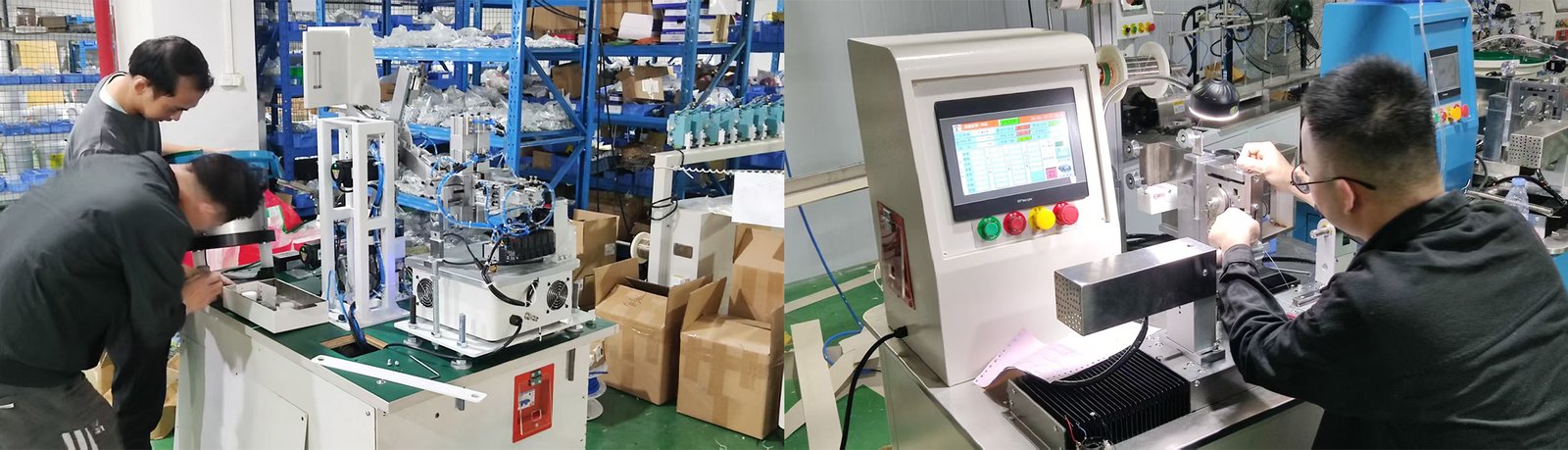
Why Long-Term Buyers Choose Specialized Manufacturers
Buyers who source repeatedly — not just for a single project — value process stability over short-term cost. Working with a dedicated heating equipment factory allows for:
- Process tuning based on real production feedback
- Customization aligned with product certification needs
- Predictable lead times for scaling production
As a heating equipment manufacturer, Guangdong Xiezhan works closely with engineering teams to ensure that winding parameters align with actual usage conditions, not theoretical lab setups. You can learn more about our background on the About Us page.
FAQ: Common Buyer Questions
Do heating element winding machines require certification?
While the machines themselves are typically not consumer-certified, the processes they support must align with CE and relevant electrical safety standards. Equipment consistency plays a key role in downstream product compliance.
Can winding machines be customized for different heater shapes?
Yes. Most industrial buyers require adjustments for wire diameter, pitch, and core type. Custom tooling and control logic are often more valuable than raw speed.
What is the typical delivery lead time?
For semi-standard configurations, lead times usually range from 4–6 weeks. More complex integrations may require additional process validation.
Making the Right Decision
If your application involves heat generation rather than electromagnetic control, treating heating element winding as a subset of coil winding is a costly mistake. The right equipment choice directly affects product lifespan, energy efficiency, and brand reputation.
If you are evaluating winding solutions for heating applications or need clarity on process selection, feel free to contact us for a technical discussion rather than a sales pitch.