
Why Some Heating Elements Cannot Be Wound Automatically
Many procurement managers assume that once a heating element design is finalized, it should be possible to automate the winding process. In practice, this is not always true. Some heating elements simply cannot be wound automatically without sacrificing stability, yield rate, or safety. Understanding why this happens helps buyers avoid costly equipment mismatches and unrealistic automation expectations.
Why Isn’t Automatic Winding Always Possible?
Automatic winding works best when materials, geometry, and tolerances behave predictably. Heating elements challenge this assumption. Unlike copper coils used in motors or transformers, resistance wire must perform under continuous thermal stress, expansion, and airflow exposure.
From our experience as a heating equipment manufacturer, the limitations usually come from three areas: wire behavior, element structure, and downstream assembly requirements.
Root Cause 1: Resistance Wire Does Not Behave Like Standard Coil Wire
Thermal Alloys React Differently Under Tension
Resistance wires such as NiCr or FeCrAl are selected for heat stability, not mechanical flexibility. When tension is applied during high-speed automatic winding, these alloys can develop micro-fractures that are invisible during inspection but cause early failure in use.
In many cases, slowing the process defeats the purpose of automation. This is why certain products remain partially manual, even in otherwise automated factories.
Inconsistent Spring-Back After Forming
Automatic systems rely on repeatable elastic behavior. Resistance wire often shows variable spring-back after bending, especially when wire diameter changes slightly between batches. This makes fully automated pitch control unreliable for some designs.
Root Cause 2: Heating Element Geometry Limits Automation
Not all heating elements are simple helices. Many designs require non-linear shapes to meet airflow, space, or heat distribution requirements.
- Multi-section or stepped heating elements
- Deep U or V-shaped heater cores
- Irregular spacing to control temperature gradients
These geometries often require visual judgment or manual adjustment during forming. Even advanced CNC-controlled winding machines may struggle to adapt without frequent tooling changes.
Purpose-built winding machine systems can handle many complex forms, but there remains a boundary where automation becomes inefficient rather than productive.
Root Cause 3: Assembly and Certification Constraints
Integration With Mica, Ceramic, or Heating Frames
Heating elements rarely exist alone. They must fit into mica sheets, ceramic tubes, or metal frames. Slight deviations in winding geometry can cause assembly interference or stress points.
In some regions, particularly Europe, buyers prioritize long-term durability over output speed. As a result, partial manual forming is still accepted when it improves consistency.
Compliance and Testing Considerations
Certification testing focuses on electrical stability, surface temperature, and lifespan. A winding method that produces fast output but inconsistent resistance values can jeopardize certification results.
When Manual or Semi-Automatic Winding Is the Better Choice
Experienced buyers do not see manual processes as backward — they see them as controlled. In many factories, semi-automatic winding delivers the best balance between efficiency and quality.
| Scenario | Recommended Method |
|---|---|
| Simple straight heaters | Fully automatic winding |
| Complex shaped elements | Semi-automatic winding |
| Low-volume custom heaters | Manual assisted winding |
How Mature Buyers Evaluate Automation Feasibility
Rather than asking “Can this be automated?”, experienced procurement teams ask:
- What failure risks increase with full automation?
- How does automation affect resistance stability?
- What happens when wire supply varies?
As a heating element equipment manufacturer and factory, Guangdong Xiezhan works with buyers to evaluate automation limits early — before equipment is ordered.
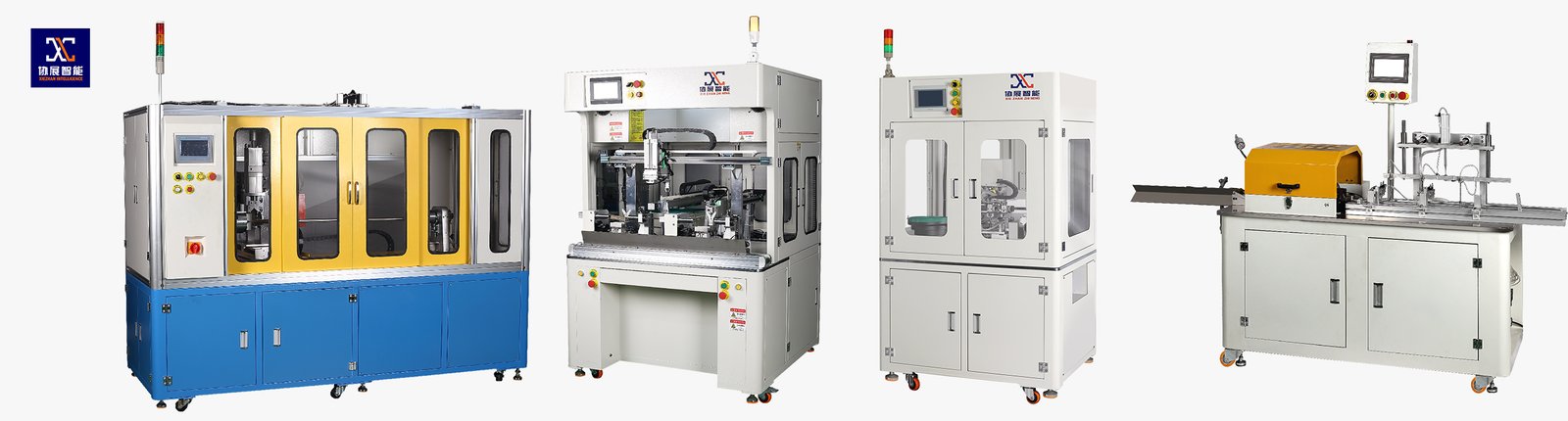
Why Long-Term Buyers Prefer Realistic Automation Partners
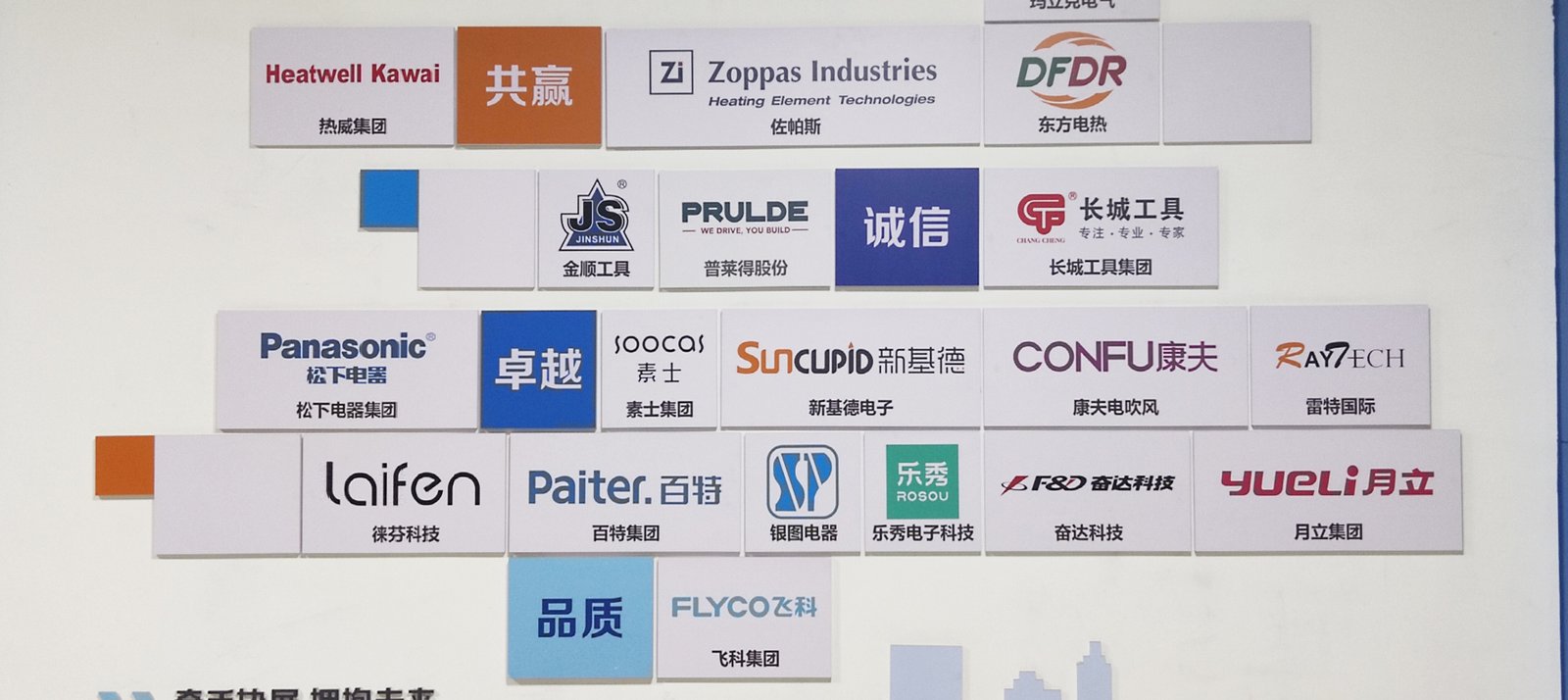
Buyers who scale production value suppliers who are honest about what automation can and cannot do. Many of our long-term partners shown on the client cooperation page initially started with semi-automatic solutions and upgraded selectively as designs stabilized.
FAQ: Common Buyer Questions
Does partial manual winding mean lower quality?
No. In many heating applications, controlled manual steps improve consistency and reduce thermal failure risk.
Can machines be upgraded later for automation?
Yes. Modular machine designs allow future automation once product geometry stabilizes.
What is the typical delivery time?
Most semi-automatic or hybrid winding solutions are delivered within 4–6 weeks, depending on configuration.
Final Recommendation for Buyers
Automation is a tool, not a goal. Some heating elements cannot be wound automatically without compromising performance. Recognizing this early saves cost, time, and quality issues.
If you are unsure whether your heating element design is suitable for full automation, you can review our manufacturing approach on the About Us page or contact us for a technical discussion based on your real product requirements.