
Entry-Level Winding Machines: What They Can and Can’t Do
For many heating element manufacturers, the real question is not whether to automate winding, but whether an entry-level winding machine is sufficient for their current production stage. In practice, entry-level machines can reliably handle standardized heating wire coils, moderate batch volumes, and stable specifications. However, their limits appear when precision tolerance, multi-spec switching, or long continuous operation becomes critical. Understanding where these machines perform well—and where they struggle—helps buyers avoid both over-investment and under-capacity.
What Exactly Is Considered an Entry-Level Winding Machine?
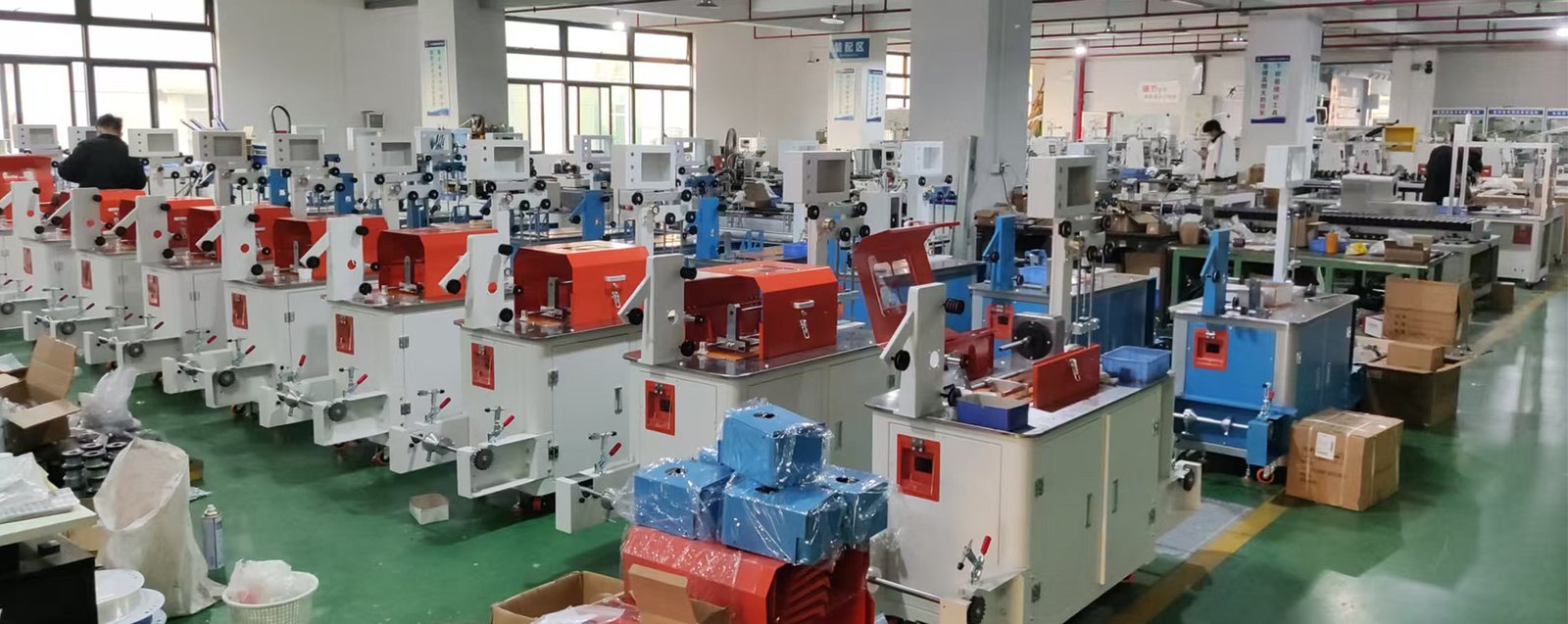
Across different regions and industries, terminology varies. European buyers often refer to these systems as semi-automatic coil winders, while in Southeast Asia and South America they are frequently called basic heating wire winding machines or starter coil winding equipment. In practical procurement terms, an entry-level winding machine typically includes:
- Single-axis or basic servo winding control
- Manual or semi-manual loading/unloading
- Mechanical pitch control or simple programmable settings
- Limited tension adjustment range
- Designed for one primary product family
At a manufacturer level, these machines serve as the transition point between manual winding and fully automated CNC winding lines. Many small-to-mid-scale appliance component factories begin automation here.
What Can Entry-Level Winding Machines Realistically Handle?
Stable, Repetitive Heating Coil Production
Entry-level machines perform reliably when the heating element geometry is consistent. Typical applications include hair dryer heating coils, small electric heater spirals, and heating rope cores. When wire diameter, coil pitch, and mandrel size remain stable, mechanical pitch drives maintain acceptable repeatability.
In most factories we have observed, entry-level equipment can sustain daily production volumes of several thousand coils with minimal deviation, provided materials and fixtures remain consistent.
Moderate Precision Requirements
For many appliance heating elements, tolerance bands are relatively forgiving compared with industrial heaters. Entry-level machines can typically maintain pitch variation within ±3–5%, which is sufficient for:
- Hair dryer heating elements
- Hand dryer coils
- Heating cords
- Small tubular heater cores
When buyers evaluate winding machine options, this tolerance range is often the deciding factor between entry-level and precision CNC systems.
Short-to-Medium Production Runs
Entry-level machines are well suited for production environments where runs last several hours rather than continuous multi-shift operation. Their mechanical simplicity actually becomes an advantage: fewer electronic subsystems mean easier maintenance and faster operator training.
Where Do Entry-Level Winding Machines Reach Their Limits?
High Precision or Tight Electrical Resistance Control
In heating element manufacturing, coil pitch directly influences electrical resistance and thermal distribution. Entry-level machines rely on mechanical pitch control or basic servo indexing. Under extended operation, micro-slippage and tension drift accumulate.
For products such as precision cartridge heaters or tightly specified industrial heating coils, this deviation becomes unacceptable. Buyers often notice increased resistance variation or uneven heating profiles.
Frequent Specification Changes
Modern appliance manufacturing increasingly demands flexible production—different coil lengths, diameters, or materials within the same shift. Entry-level machines struggle here because:
- Mandrel and guide changes are manual
- Tension reset requires operator experience
- Pitch adjustments are mechanical
- Setup time increases downtime
Factories producing multiple heating models daily often outgrow entry-level equipment quickly.
Long Continuous Operation
In high-volume OEM production, winding machines may operate 16–24 hours per day. Entry-level mechanical systems face cumulative wear in:
- Pitch drive gears
- Guide rollers
- Tension springs
- Mandrel alignment
Over time, coil consistency degrades. This is one of the most common upgrade triggers observed across global heating element factories.
Why Do Many Factories Still Choose Entry-Level Machines?
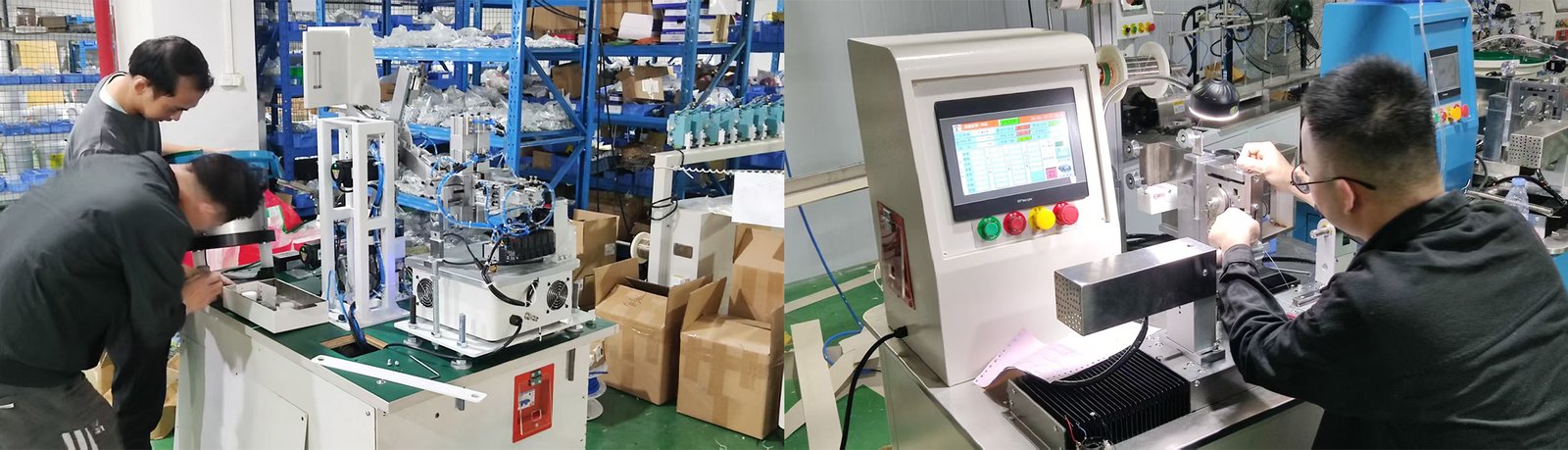
Despite limitations, entry-level winding machines remain widely used across Asia, Eastern Europe, and emerging manufacturing regions. The reasons are practical rather than technological.
Investment Risk Control
For new heating element production lines, demand forecasting is uncertain. Entry-level equipment allows factories to validate product viability before committing to high-automation systems. This staged investment strategy is common among OEM suppliers entering new appliance markets.
Operator Skill Compatibility
In many regions, skilled automation technicians are scarce. Entry-level machines rely more on mechanical adjustment than software programming, making them easier to adopt in developing manufacturing environments.
Maintenance Simplicity
Mechanical winding systems can be serviced locally without specialized electronic diagnostics. For factories operating in remote industrial zones, this independence reduces downtime risk.
How to Decide If Entry-Level Equipment Is Enough
From a procurement perspective, the decision should be based on production reality rather than budget alone. The following evaluation framework is widely used by experienced buyers.
| Production Factor | Entry-Level Suitable | Upgrade Recommended |
|---|---|---|
| Coil precision tolerance | ±3–5% | ≤±2% |
| Daily spec changes | Low | Frequent |
| Operating hours | ≤10h/day | 16–24h/day |
| Wire types | Single material | Multiple alloys |
This decision logic is commonly discussed during early technical exchanges with buyers via our client cooperation process.
Typical Upgrade Path Observed in Heating Element Factories
Across multiple countries, heating element manufacturers often follow a similar automation progression:
- Manual winding
- Entry-level semi-automatic winding
- Servo programmable winding
- CNC multi-axis winding
- Integrated automated winding line
Entry-level machines play a critical transitional role. They allow factories to stabilize product design and process parameters before scaling automation.
Where Entry-Level Machines Fit in Our Manufacturing Philosophy
As a dedicated heating element winding machine manufacturer, our engineering approach recognizes that not every factory requires full automation immediately. Entry-level systems are designed to deliver mechanical stability, repeatable pitch control, and reliable daily operation within defined production boundaries.
This pragmatic design philosophy is rooted in long-term heating element manufacturing experience, detailed in our about us background.
Rather than positioning entry-level equipment as universal solutions, we define their optimal application range clearly during technical discussions. Mature buyers generally value this transparency because it reduces future mismatch risk.
When Buyers Usually Transition Beyond Entry-Level
Across global markets, three triggers consistently lead factories to upgrade winding equipment:
- Export orders requiring tighter electrical tolerance
- Multiple heating models produced on shared lines
- Continuous multi-shift production schedules
At this stage, programmable tension control, servo pitch synchronization, and automated coil handling become necessary. Entry-level mechanical systems reach structural limits.
A Practical Perspective for Procurement Decisions
Entry-level winding machines are neither obsolete nor universally sufficient. Their value lies in matching machine capability to production maturity. Over-automation increases capital burden, while under-automation creates quality risk.
Factories that evaluate winding equipment based on realistic production parameters—rather than headline speed or automation level—consistently achieve better long-term stability.
For manufacturers assessing winding capacity or planning gradual automation upgrades, direct technical consultation often clarifies suitability faster than specification comparison alone. Our engineering team supports this evaluation through practical application analysis via the contact us channel.
Understanding what entry-level winding machines can and cannot do ultimately helps buyers align equipment investment with actual production needs—an approach observed across successful heating element manufacturing operations worldwide.