
The Role of Fixtures in Heating Wire Winding
When procurement teams evaluate a heating wire winding line, most attention goes to motor power, control systems, and cycle time. Yet in real production audits, a significant portion of resistance deviation and coil inconsistency can be traced back to one overlooked element: fixtures. If you are responsible for selecting or upgrading a winding machine, understanding the role of fixtures is not a secondary detail—it directly affects product stability, yield rate, and long-term operating cost.
What Do Production Data Tell Us About Fixture Influence?
Across multiple heating element factories in Asia and Europe, internal quality records typically show that coil pitch deviation and micro-deformation issues account for 15–30% of early-stage product inconsistencies. In many of these cases, root-cause analysis points not to the CNC program or servo control, but to fixture rigidity, alignment tolerance, or wear over time.
Fixtures—sometimes referred to as tooling, mandrels, coil formers, or guiding assemblies depending on region—define the physical path and geometry of the heating wire during winding. In Germany and parts of Central Europe, engineers often use the term “Formwerkzeug” to emphasize shaping precision. In Southeast Asia, the term “winding jig” is more common. Regardless of naming, their technical role remains consistent.
Why Are Fixtures Critical in Heating Wire Winding?
1. Coil Geometry Control
The fixture determines inner diameter, pitch stability, and axial alignment. Even in a programmable winding machine, mechanical guidance defines the final physical shape. Software cannot compensate for structural deformation.
2. Tension Distribution
Research in materials engineering shows that uneven support during wire forming increases localized stress concentration. Over repeated heating cycles, this can reduce lifespan. A well-designed fixture ensures uniform support and tension distribution.
3. Repeatability Over Long Production Runs
In continuous operation environments, especially for heater coil winding machines producing thousands of units per shift, minor structural wear amplifies over time. Stable fixture material and precision machining become decisive factors.
Quantifying the Impact: A Practical Comparison
| Condition | Standard Fixture | High-Precision Fixture |
|---|---|---|
| Pitch deviation rate | ±5–8% | ±1–3% |
| Resistance tolerance stability | Moderate | High consistency |
| Maintenance interval | Frequent adjustment | Extended service cycle |
These figures vary by production environment, but the pattern is consistent: mechanical guidance quality directly influences electrical performance stability.
Are Fixtures More Important Than Automation?
This is a common question during equipment selection meetings. Automation improves efficiency and documentation, but fixtures determine physical accuracy. Without stable tooling, even advanced CNC wire winding machines cannot deliver consistent heating element performance.
In fact, several procurement teams have reported that upgrading fixtures alone—without replacing the full machine—improved yield by measurable margins. This underscores the mechanical foundation of the winding process.
How Mature Manufacturers Approach Fixture Design
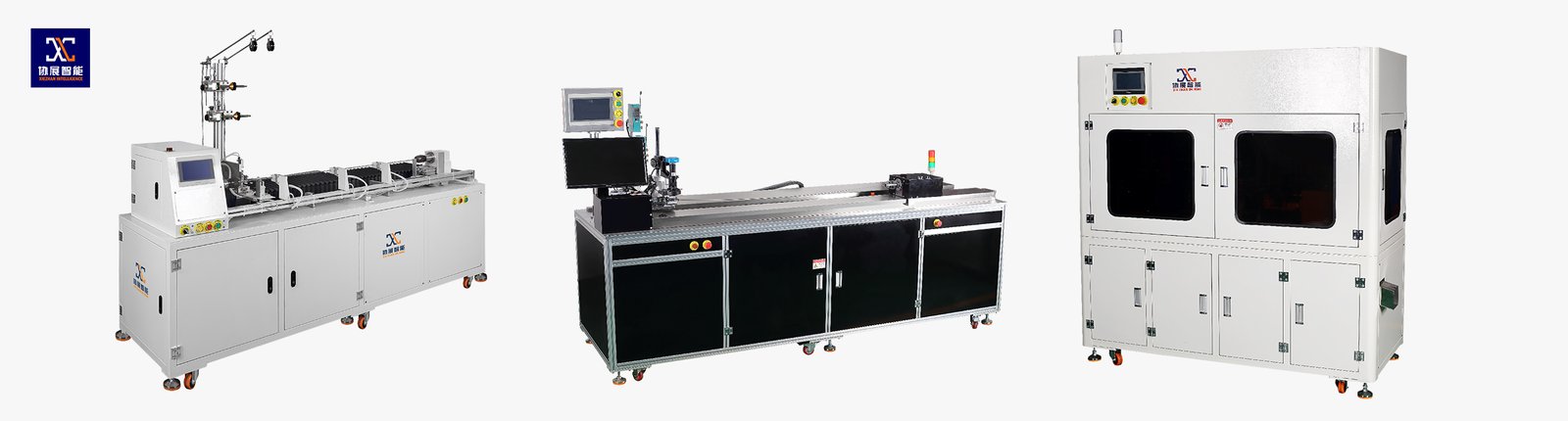
As a heating element winding machine manufacturer and factory, Xiezhan integrates fixture development into equipment design rather than treating it as an accessory. Our in-house research and mechanical engineering process allows alignment between structural frame, tension control system, and forming components.
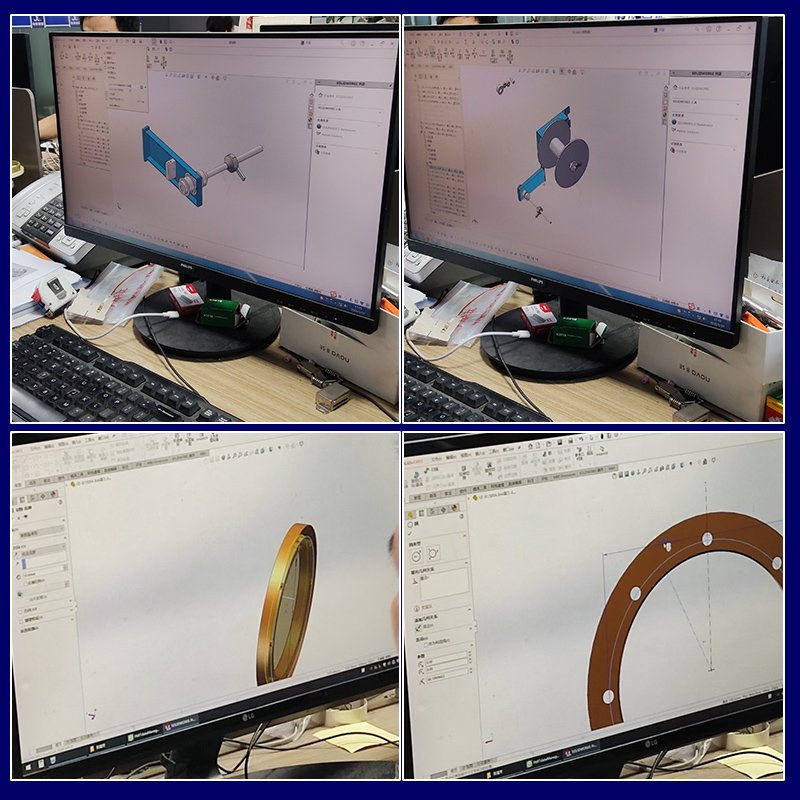
This integrated approach differs from market practices where machines are assembled using standardized tooling without adaptation to specific resistance wire materials such as nichrome or FeCrAl alloys.
More about our engineering background can be found on our about us page.
Decision Framework for Procurement Teams
- Evaluate fixture material hardness and wear resistance
- Confirm machining tolerance and concentricity standards
- Assess compatibility with multiple wire diameters
- Review ease of replacement and maintenance access
During supplier discussions, mature buyers also examine whether fixture customization is available under structured client cooperation programs.
When selecting a complete winding machine solution, fixture design should be reviewed alongside motor specification and control interface—not afterward.
Market Limitations to Be Aware Of
Some low-cost equipment suppliers prioritize visible automation features while reducing structural investment in tooling. This can result in premature fixture wear, frequent recalibration, and inconsistent coil geometry.
Experienced procurement managers understand that long-term mechanical integrity lowers total operating cost, even if initial investment is slightly higher.
FAQ for Equipment Decision-Makers
1. Are fixtures customizable for different heating element structures?
Yes. Fixture dimensions, materials, and support geometry can be tailored to match coil diameter, wire material, and pitch requirements.
2. Do you provide certification documentation?
Compliance documents and quality certifications can be provided upon request to meet export and audit requirements.
3. What is the typical lead time?
Standard configurations generally require several weeks. Customized fixture development may extend timeline depending on complexity.
Final Perspective from Industry Practice
In heating wire production, fixtures are not minor components—they are structural determinants of product consistency. Automation increases speed; fixtures ensure physical accuracy. When procurement decisions consider both dimensions equally, factories achieve long-term stability rather than short-term efficiency gains.
If you are evaluating fixture design within your winding process or considering equipment upgrades, you are welcome to reach out through our contact us page for a practical discussion based on your production scenario.