
Basic Terminology Used in Heating Element Winding
When evaluating heating element winding equipment, many procurement managers face the same early challenge: suppliers use similar terms, yet the actual machine capability, process control, and production outcome vary significantly. Understanding the basic terminology used in heating element winding is often the first step to avoiding miscommunication, mismatched equipment, and long-term production issues.
This article explains commonly used terms from the perspective of real manufacturing scenarios. Rather than definitions copied from manuals, the focus is on how these terms affect equipment selection, production stability, and long-term reliability in heating element manufacturing.
Who Needs to Understand Heating Element Winding Terminology?
In practice, terminology gaps usually appear between three roles: procurement managers, engineering managers, and equipment suppliers. Each group may use the same words but attach different expectations to them.
- Procurement teams focus on price, delivery time, and supplier credibility
- Engineers focus on winding accuracy, repeatability, and process limits
- Suppliers may describe machines using marketing-oriented or simplified terms
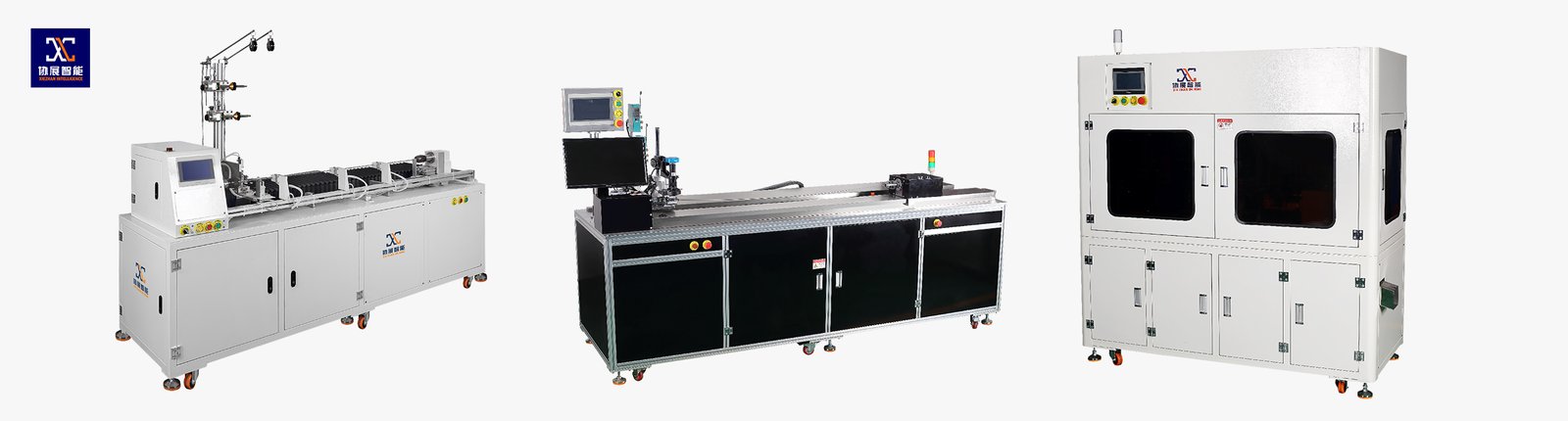
Clear terminology helps align these perspectives before technical discussions begin. This is especially important when sourcing a resistance wire winding machine across borders, where naming conventions differ between regions such as Europe, Southeast Asia, and North America.
How Do Manufacturers Use the Term “Resistance Wire” in Practice?
“Resistance wire” refers to alloys such as NiCr or FeCrAl that generate heat when current flows through them. While the material name is universal, its practical meaning changes depending on application.
For small household appliances, resistance wire is often thin, flexible, and requires precise tension control. For industrial heating tubes or heating plates, wire diameter increases and demands stronger forming stability.
This is why manufacturers may describe machines differently:
| Region | Common Term Used | Implied Focus |
|---|---|---|
| Europe | Heating wire forming machine | Structural consistency |
| China | Resistance wire winding machine | Process adaptability |
| North America | Heating coil winding system | Automation and output |
Understanding these nuances helps buyers compare specifications more accurately instead of relying on translated product names alone.
What Does “Winding Accuracy” Actually Mean on the Production Floor?
Winding accuracy is often mentioned, but rarely clarified. In real manufacturing, it involves several measurable elements working together.
Pitch Consistency
Pitch refers to the spacing between each coil turn. Inconsistent pitch leads to uneven heating, localized hotspots, and shortened service life of the heating element.
Diameter Stability
Stable coil diameter ensures compatibility with downstream assembly processes such as mica insulation placement or tube insertion.
Repeatability Over Time
Accuracy must remain consistent not just for one batch, but across continuous production. This is where mechanical rigidity and control logic matter more than nominal speed.
Buyers evaluating a winding machine should always ask how accuracy is maintained after extended operation, not just initial setup.
Why Terms Like “Automatic” and “CNC” Can Be Misleading
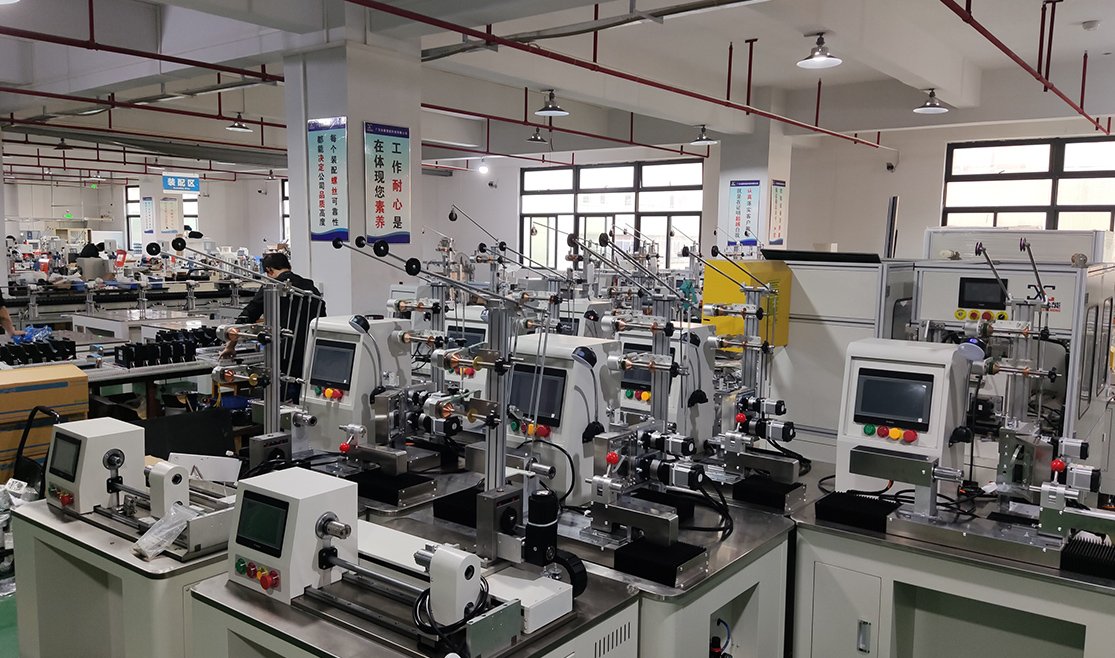
Automation levels vary widely. A machine labeled as “automatic” may still require frequent manual adjustments, while “CNC” does not guarantee multi-axis control.
From a procurement perspective, it is more useful to clarify:
- Number of controlled axes
- Servo or mechanical drive structure
- Changeover time between specifications
Experienced buyers often evaluate machines based on how they integrate into existing production lines rather than on naming alone.
How Mature Buyers Interpret Supplier Terminology
Manufacturers with long-term production planning tend to read between the lines. Instead of focusing on feature lists, they assess whether terminology reflects real engineering experience.
For example, phrases like “stable operation” carry more weight when supported by factory testing procedures, documented tolerances, and application history.
This is where reviewing a supplier’s background, such as their manufacturing experience and engineering focus, becomes part of the decision process rather than an afterthought.
Frequently Asked Questions from Procurement Teams
Are certifications required for heating element winding machines?
Certification requirements vary by market. CE compliance is commonly requested for European destinations, while internal factory standards often matter more for long-term reliability.
Can winding machines be customized for different resistance wire materials?
Customization typically involves mechanical structure, control parameters, and tooling design. Buyers should confirm whether customization is engineered or simply adjusted through settings.
What is a realistic delivery timeline?
Lead time depends on configuration complexity and testing requirements. Machines built on modular platforms usually offer more predictable delivery schedules.
Why Long-Term Partners Matter More Than Short-Term Specifications
In heating element manufacturing, equipment decisions influence years of production output. Buyers who value transparent communication and shared terminology often build longer partnerships with manufacturers who understand real production constraints.
To see how equipment performance translates into real applications, some buyers review existing client cooperation cases before finalizing decisions.
If you are evaluating winding equipment for a specific application or need clarification on terminology used in your region, our team is available for direct discussion. You can reach us through our contact page to explore suitable configurations and practical considerations.