
How Resistance Wire Shape Affects Winding Method
When sourcing a winding machine for heating elements, many buyers focus on output speed or automation level first. In real production, however, one factor often determines success or failure before any machine parameter is set: the shape of the resistance wire. Straight, corrugated, flat, or pre-formed wire each behaves differently during winding, and choosing a method that does not match wire geometry leads to unstable resistance, inconsistent pitch, and high scrap rates. This article walks through how experienced manufacturers evaluate wire shape step by step and translate that knowledge into the right winding method.
Step 1: Identify the Resistance Wire Shape Before Selecting Equipment
From a procurement perspective, resistance wire is often treated as a specification item — diameter, alloy, resistance value. On the shop floor, engineers know that wire geometry is equally critical. Different shapes respond differently to tension, bending, and thermal expansion.
Common resistance wire shapes include:
- Straight round wire (most common in basic heaters)
- Corrugated or wave-formed wire (used for airflow exposure)
- Flat resistance strip (high surface area applications)
- Pre-shaped or looped wire sections
In North America, buyers often refer to this simply as “heater wire forming,” while in parts of Europe it is discussed under “thermal element shaping.” In Asian factories, it is frequently grouped under resistance wire processing. These naming differences reflect the same core issue: shape dictates process.
Step 2: Match Wire Shape to the Correct Winding Method
Straight Wire: Controlled Pitch and Tension
Straight resistance wire requires precise tension control to avoid micro-cracks during winding. Even small deviations in pitch can lead to uneven heat distribution. For this reason, manufacturers typically rely on dedicated heating element winding machines rather than adapting coil winding equipment.
Purpose-built machines manage spring-back behavior and allow fine pitch adjustment — features that standard coil winders rarely prioritize.
Corrugated Wire: Shape Preservation During Winding
Corrugated wire presents a different challenge: maintaining wave geometry while forming the heater. Excessive tension flattens the profile; insufficient control leads to irregular spacing.
This is where specialized winding machine designs become critical. Machines must guide the wire without deforming the corrugation, often using synchronized feed and forming systems.
Flat or Pre-Shaped Wire: Limited Adaptability
Flat resistance wire or pre-shaped segments often require custom tooling. Attempting to process them on generic winding systems increases setup time and waste. Experienced buyers factor this in early rather than attempting post-purchase modifications.
Step 3: Evaluate Stability, Not Just Output Speed
A common mistake in early-stage procurement is prioritizing cycle time over process stability. Wire shape directly influences:
- Resistance consistency across batches
- Thermal expansion behavior during operation
- Compatibility with mica sheets, ceramic cores, or heating frames
Manufacturers with long production runs quickly learn that stable winding geometry reduces downstream assembly issues and warranty claims — even if nominal output speed is slightly lower.
Step 4: Compare Generic Solutions vs Specialized Heating Equipment
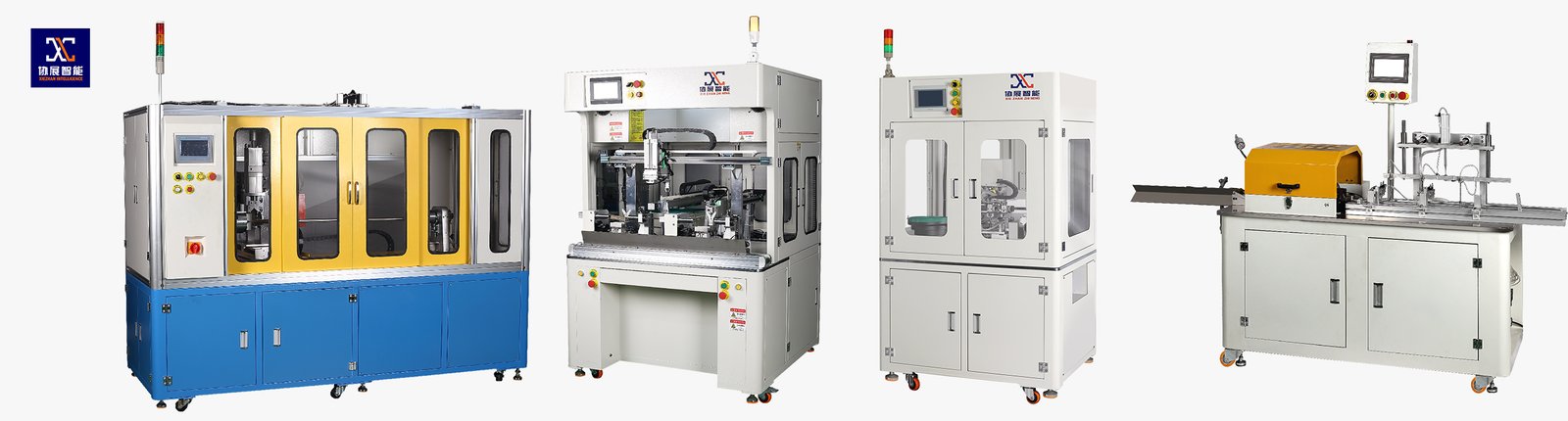
Generic winding solutions are often marketed as flexible, but flexibility usually comes at the cost of precision. In heating element production, this trade-off rarely pays off.
| Factor | Generic Winder | Heating Element Winder |
|---|---|---|
| Wire shape control | Limited | Optimized |
| Resistance consistency | Variable | Stable |
| Setup time for new wire | Long | Short |
Step 5: Work with a Manufacturer Who Understands Wire Behavior
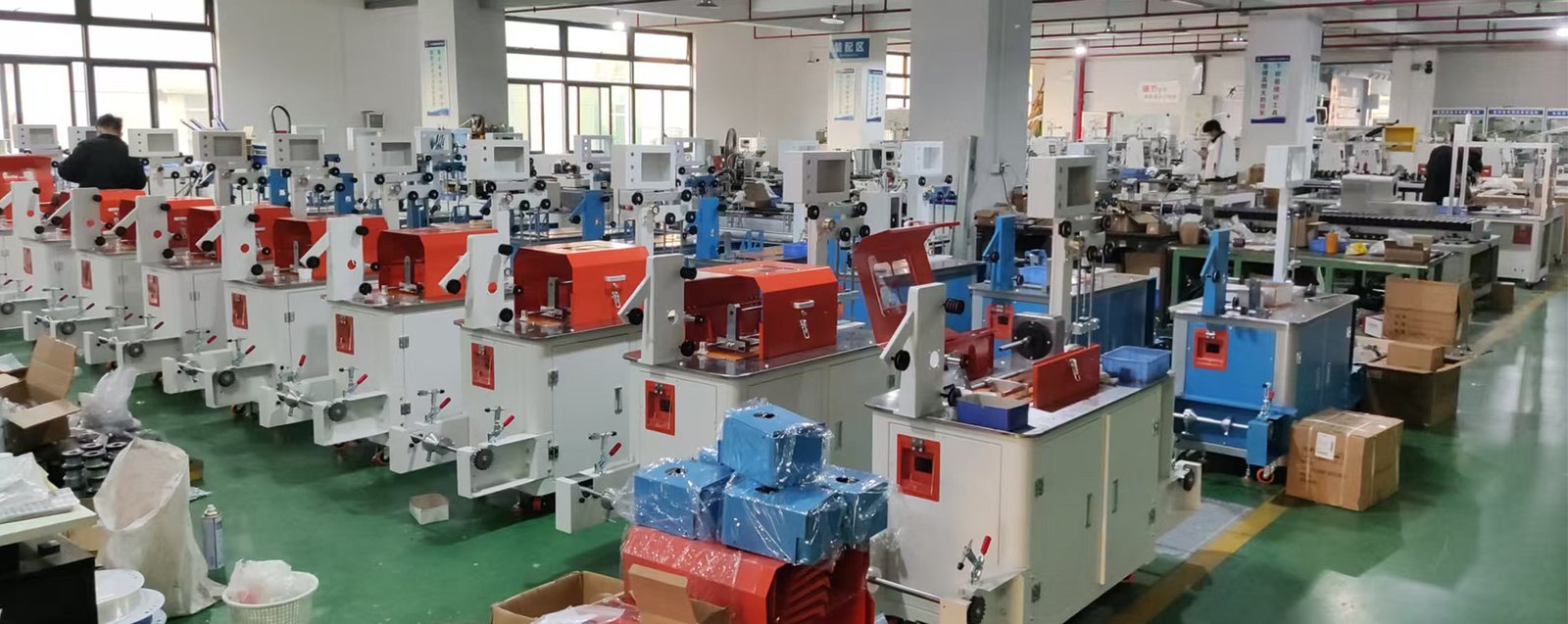
Buyers who repeatedly source heating equipment tend to favor suppliers with hands-on process knowledge rather than catalog-based sellers. As a heating equipment manufacturer and factory, Guangdong Xiezhan works closely with customers to align winding methods with actual wire behavior, not just theoretical specifications.
This practical approach is why many long-term partners featured on our client cooperation page continue to expand their equipment footprint over time.
Step 6: Confirm Support, Customization, and Delivery Expectations
Before finalizing equipment selection, experienced buyers clarify three practical points:
- Whether the machine can be tuned for future wire variations
- How process validation is handled before shipment
- What level of after-sales technical support is available
Understanding the manufacturer’s background — not just the machine — often makes the difference. You can review our production philosophy and history on the About Us page.
FAQ: Questions Buyers Commonly Ask
Does resistance wire shape affect certification results?
Indirectly, yes. Stable wire geometry supports consistent resistance values, which helps finished products meet electrical safety and thermal performance standards.
Can one machine handle multiple wire shapes?
Within limits. Adjustable systems can accommodate several wire types, but extreme shape differences may require dedicated tooling.
What is the typical lead time?
Most semi-custom configurations are delivered within 4–6 weeks, depending on validation requirements and workload.
Final Consideration for Buyers
Resistance wire shape is not a minor detail — it defines the winding method, equipment design, and long-term production stability. Buyers who evaluate this factor early avoid costly adjustments later.
If you are comparing winding solutions or evaluating a new heating element project, feel free to contact us for a technical discussion based on your actual wire and application, not generic assumptions.