
Long-Term Coil Behavior Under Thermal Stress
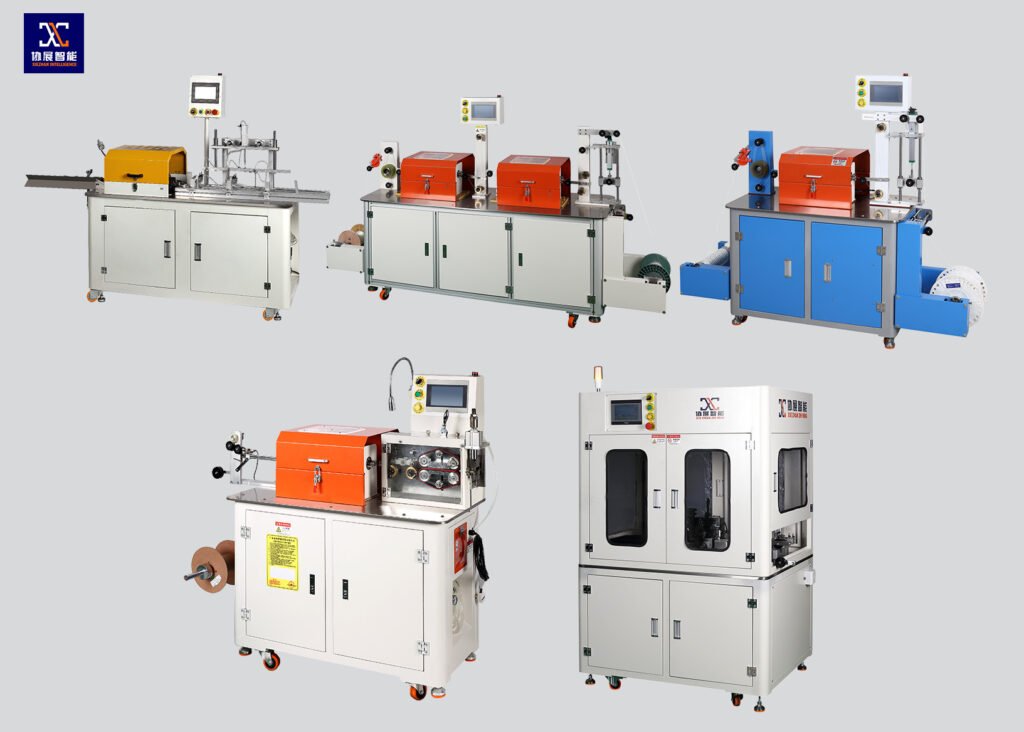
If your heating elements perform well at the beginning but fail after weeks or months, the issue is rarely the material itself—it is the long-term behavior of the coil under thermal stress. In real production, coil stability is determined not only by alloy quality, but by how the wire was formed during winding. A poorly controlled winding process creates internal stress that only becomes visible after repeated heating cycles.
What Happens to Coils Under Long-Term Thermal Stress?
Heating elements operate under continuous thermal expansion and contraction. Over time, this cycling affects both the mechanical structure and electrical performance of the coil.
Typical long-term changes include:
- Gradual increase in electrical resistance
- Coil deformation or sagging
- Surface oxidation and material fatigue
- Localized hot spots due to uneven geometry
Industry research indicates that improper coil formation can reduce heating element lifespan by 20–30% under repeated thermal cycles.
Why Does Winding Quality Affect Thermal Performance?
This is often underestimated during procurement. Many assume that once the coil is formed, its behavior depends only on material properties.
In reality, the winding process defines the initial condition of the wire:
- Internal stress distribution along the wire
- Uniformity of coil pitch and spacing
- Surface condition after forming
If the wire is overstretched or unevenly formed, these imperfections amplify under thermal stress.
What Are the Main Causes of Long-Term Coil Degradation?
1. Uneven Tension During Winding
Inconsistent tension creates localized stress zones. These areas degrade faster when exposed to repeated heating.
2. Irregular Coil Geometry
Non-uniform pitch leads to uneven heat distribution, accelerating material fatigue.
3. Micro-Damage During Forming
Improper tooling or excessive force can introduce surface defects, which later become failure points.
4. Poor Integration with Mica Support
If the coil does not fit properly within the mica structure, mechanical stress increases during operation.
How Do Modern Winding Machines Improve Long-Term Stability?
Advanced winding machine systems are designed to control not just shape, but also stress distribution within the wire.
| Factor | Traditional Process | Advanced Machine Control | Long-Term Effect |
|---|---|---|---|
| Tension | Manual / unstable | Closed-loop control | Reduced stress concentration |
| Geometry | Variable pitch | Precise synchronization | Uniform heat distribution |
| Surface Integrity | Possible damage | Controlled forming force | Improved durability |
| Assembly Fit | Inconsistent | Process-aligned design | Lower mechanical stress |
Why Do Problems Only Appear After Shipment?
This is a common concern among buyers.
During initial testing:
- Coils appear stable
- Resistance values meet specifications
- No visible deformation
However, thermal stress effects accumulate over time. Weaknesses introduced during winding only become visible after repeated heating cycles.
This delayed failure is why many issues are discovered only after products reach the market.
How Do Experienced Buyers Address This Risk?
From a procurement standpoint, the focus shifts from short-term performance to long-term reliability.
Key evaluation methods include:
- Thermal cycling tests on sample coils
- Monitoring resistance drift over time
- Checking coil geometry after repeated heating
- Evaluating machine stability during continuous operation
Studies in appliance manufacturing show that improving coil consistency can extend product lifespan by over 25%.
What Makes a Reliable Manufacturer in This Area?
At Guangdong Xiezhan, the focus is not only on forming coils, but on ensuring their long-term behavior under real operating conditions.
As a specialized manufacturer and factory, the approach includes:
- Designing machines based on heating element applications
- Controlling wire stress during winding
- Ensuring compatibility with mica structures
- Optimizing for long production cycles
This approach is reflected in real-world results documented in client cooperation cases, where durability is a key requirement.
How to Reduce Long-Term Failure in Your Production Line
Preventing thermal stress issues starts at the equipment selection stage.
Practical steps include:
- Select machines designed for heating element applications
- Verify tension control capabilities
- Ensure compatibility with your product structure
- Test performance under simulated operating conditions
If you are comparing equipment options, it is also useful to review broader supplier positioning, but more importantly, evaluate real production performance.
Final Perspective for Industrial Buyers
Long-term coil behavior under thermal stress is not a material problem—it is a process problem that begins at winding.
A properly designed winding machine ensures that coils are formed with uniform stress distribution, stable geometry, and compatibility with assembly structures.
This is what ultimately determines whether your heating elements maintain performance over time or fail prematurely.
If you want to evaluate solutions based on your specific application, you can reach out through the contact page.