
Common Problems in Heater Coil Winding and How Machines Solve Them
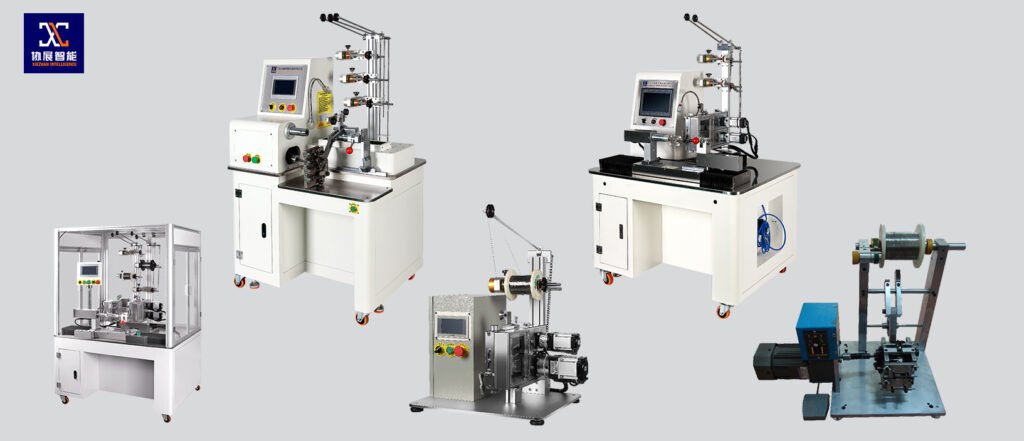
If you are facing unstable output in heating element production, the issue is rarely the wire itself—it is how the heater coil winding process is controlled. Most production problems such as inconsistent resistance, uneven coil pitch, or assembly mismatch originate during winding. The right machine does not just wind faster; it stabilizes material behavior and eliminates variability before it affects downstream processes.
What Are the Most Common Problems in Heater Coil Winding?
Across different factories and regions, the same issues appear repeatedly. Whether it is called a “heater coil machine” in India, a “heating wire winder” in China, or a “heating element winding system” in Europe, the core challenges remain consistent.
1. Resistance Inconsistency
Even when using the same wire batch, finished coils often show variation in resistance. This directly affects heating performance.
Root causes:
- Unstable tension during winding
- Micro-stretching of resistance wire
- Inconsistent coil pitch
2. Coil Deformation
Coils may lose shape after winding or during handling. This becomes critical when inserting into mica heating element frames.
Root causes:
- Excessive speed without control
- Poor guide alignment
- Mechanical vibration
3. Pitch Variation
Inconsistent spacing between turns reduces product uniformity and complicates assembly.
4. Low Assembly Compatibility
Even correctly formed coils may not fit into mica carriers due to dimensional inconsistency.
From manufacturing data, these issues can increase rejection rates by 10–20% in appliance production lines.
Why Do These Problems Persist in Many Factories?
The main reason is that many machines are designed as general-purpose wire winders, not specifically for heating element production.
Common limitations include:
- Lack of precise tension control systems
- Insufficient structural rigidity
- No integration with downstream processes
- Limited adaptability to different wire materials
These machines may perform adequately in short runs but struggle under continuous production conditions.
How Do Advanced Machines Solve These Problems?
Modern heater coil winding machines address these issues at the system level rather than through isolated improvements.
| Problem | Traditional Cause | Machine Solution | Result |
|---|---|---|---|
| Resistance Variation | Manual tension | Closed-loop tension control | Stable output |
| Coil Deformation | Vibration | Rigid structure | Consistent shape |
| Pitch Variation | Timing mismatch | Synchronized motion control | Uniform spacing |
| Assembly Issues | Inconsistent geometry | Process alignment design | Higher efficiency |
Why Is Tension Control the Most Critical Factor?
Among all variables, tension control has the greatest impact on final product quality.
In heating element production:
- Too much tension stretches the wire
- Too little tension causes loose coils
- Fluctuating tension leads to inconsistent resistance
Advanced systems use servo-driven feedback loops to maintain constant tension regardless of spool conditions.
Industry research indicates that precise tension control can reduce resistance deviation by up to 30% compared to manual systems.
What Role Does Machine Structure Play?
Mechanical design is often overlooked during procurement.
However, in high-speed winding:
- Frame rigidity determines vibration levels
- Spindle accuracy affects coil geometry
- Component quality impacts long-term stability
Machines with lightweight structures may appear cost-effective but often require frequent maintenance and produce inconsistent results.
How Do Experienced Buyers Approach These Issues?
From direct cooperation with global manufacturers, experienced buyers focus on:
- Consistency over long production cycles
- Measured resistance deviation
- Compatibility with mica heating element assembly
- Maintenance requirements under continuous operation
According to production studies, improving process stability can reduce total defect rates by up to 18%, directly impacting profitability.
What Makes a Specialized Manufacturer Different?
At Guangdong Xiezhan, machine design starts from heating element production requirements rather than general winding principles.
As a focused manufacturer and factory, the approach includes:
- Material-specific control systems
- Integration with mica processing and assembly
- Optimization for long production cycles
- Adaptation to different heating element structures
These capabilities are reflected in practical applications shown in client cooperation, where stable output is essential.
How to Prevent Problems Before They Occur?
Instead of solving issues after installation, it is more effective to address them during equipment selection.
Key steps include:
- Testing sample production under real conditions
- Evaluating long-term stability rather than short tests
- Ensuring compatibility with your product design
- Reviewing supplier experience in heating element applications
You may also review supplier comparisons such as heater coil winding machine manufacturers to understand market differences.
Final Perspective for Production Decision Makers
Most heater coil winding problems are not random—they are predictable outcomes of insufficient process control.
A well-designed heater coil winding machine solves these issues by stabilizing every stage of the process, from wire feeding to final coil formation.
For manufacturers aiming to improve consistency and reduce waste, the focus should shift from fixing problems to preventing them through proper equipment selection.
If you want to evaluate solutions based on your production requirements, you can reach out through the contact page.