
How Equipment Design Influences Operator Fatigue
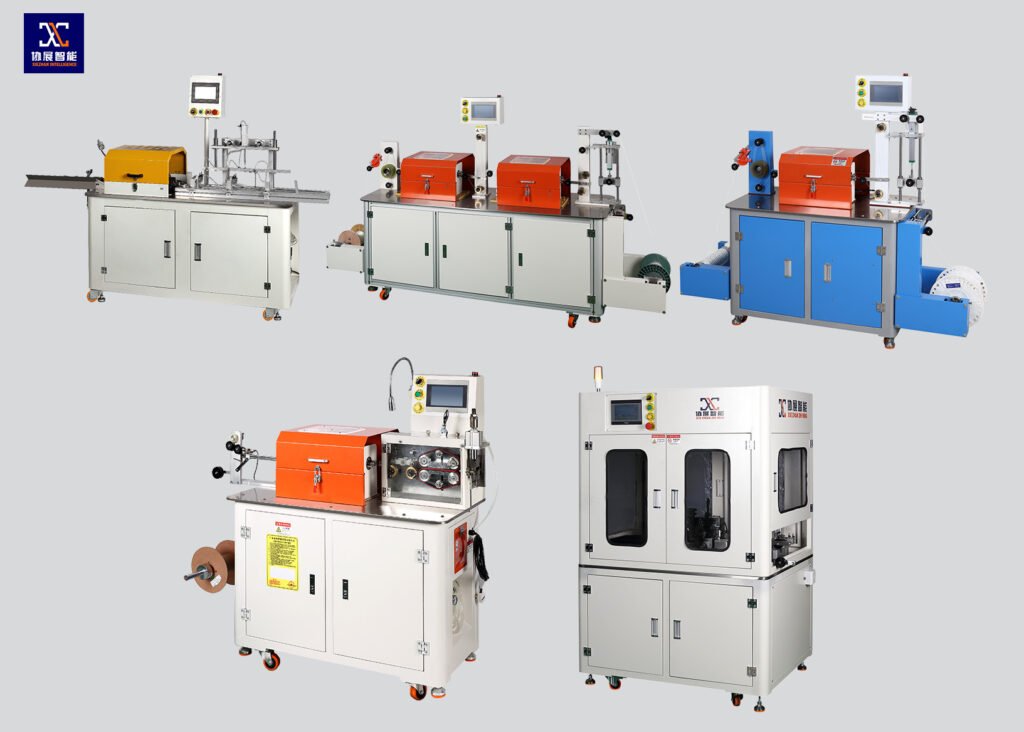
Why Operator Fatigue Often Comes From Machine Design, Not Workload
If your production output drops after a few hours—even with experienced operators—the issue is rarely just labor intensity. In most cases, it comes down to how the equipment is designed. Poor ergonomics, unclear control layouts, and inefficient workflows force operators to compensate manually, leading to fatigue, errors, and inconsistent results.
When evaluating a winding machine or a full heating element production setup, operator fatigue is rarely discussed upfront. But over time, it directly affects productivity, defect rates, and even staff turnover. Let’s break down what actually drives this—and how to factor it into your equipment decisions.
Why Is Operator Fatigue Often Misdiagnosed in Equipment Projects?
Most buyers assume fatigue is a workforce issue. In reality, it’s often a design issue.
Here’s what typically happens in factories:
- Machines are selected based on speed and price
- Operator interaction is not evaluated during procurement
- Manual adjustments are underestimated
According to an International Labour Organization (ILO) report, ergonomics-related inefficiencies can reduce operator productivity by up to 15% in repetitive industrial tasks.
In winding operations—especially for heating coils—this impact is even more visible due to precision requirements.
What Design Factors Actually Increase Operator Fatigue?
Let’s go beyond general ideas and look at specific design elements.
| Design Factor | Typical Issue | Operator Impact | Production Effect | Long-Term Risk |
|---|---|---|---|---|
| Control panel layout | Scattered or unclear interface | Mental fatigue | Slower operation | Higher error rate |
| Material loading position | Awkward height/angle | Physical strain | Reduced efficiency | Injury risk |
| Tension adjustment system | Manual and frequent tuning | Repetitive actions | Inconsistent output | Operator fatigue |
| Visibility of winding area | Poor line of sight | Constant repositioning | Quality variation | Inspection errors |
| Alarm/feedback system | Unclear signals | Delayed response | Downtime increase | Operational stress |
In a typical coil winding machine, operators may repeat the same adjustment hundreds of times per shift. If the machine requires constant manual correction, fatigue builds quickly—even if the task itself is simple.
How Does Fatigue Translate Into Real Production Loss?
Fatigue doesn’t just affect people—it affects numbers.
Based on field observations and data from a Harvard Business Review manufacturing study, fatigue-related inefficiencies can lead to:
- 10–20% drop in output consistency
- Increase in defect rates during later shifts
- Higher training dependency for new operators
In heating element production, this often shows up as:
- Irregular coil pitch
- Misaligned forming
- Increased scrap rates
These are not machine failures—they are design-related operational limitations.
What Separates Operator-Friendly Machines from Standard Ones?
Let’s compare two typical equipment approaches.
| Feature | Basic Machine Design | Optimized Machine Design | Operational Impact | Buyer Value |
|---|---|---|---|---|
| Control interface | Button-based, manual | Touchscreen with presets | Faster setup | Reduced training time |
| Tension control | Manual adjustment | Servo-controlled | Stable output | Lower fatigue |
| Material handling | Manual loading | Assisted positioning | Less strain | Higher efficiency |
| Error feedback | Basic alarms | Real-time diagnostics | Quick response | Reduced downtime |
| Workflow design | Operator-dependent | Process-guided | Consistency | Scalable production |
This is where working with a specialized winding machine manufacturer makes a difference. The focus shifts from “machine capability” to “operator-machine interaction.”
Why Buyers Start Considering Fatigue Only After Installation
From my experience working with heater manufacturers across multiple regions, fatigue is rarely discussed before purchase.
Reasons include:
- It’s not listed in technical specifications
- It doesn’t appear in short-term testing
- It becomes visible only in continuous production
By the time it’s noticed, changes are costly or impractical.
This is why many long-term clients in the client cooperation section shift their evaluation criteria after their first project.
What Should Buyers Evaluate Before Choosing Equipment?
1. Operator Interaction Points
Ask:
- How often does the operator need to intervene?
- Which adjustments are manual?
- What tasks are repeated frequently?
2. Workflow Efficiency
Look at the full process:
- Material loading
- Winding process
- Inspection and unloading
Even small inefficiencies at each step add up over time.
3. Adaptability to Different Operators
A good machine should not rely on one skilled operator.
Instead, it should:
- Standardize operations
- Reduce manual dependency
- Support quick training
You can explore different machine designs in our winding machine category.
Why Mature Buyers Choose Differently
At an early stage, buyers focus on:
- Speed
- Price
- Specifications
At a more advanced stage, they look at:
- Operational stability
- Operator efficiency
- Long-term scalability
When reviewing a supplier through the about us page, experienced buyers often evaluate whether the manufacturer understands real production environments—not just machine design.
This is where a dedicated heating element equipment manufacturer stands out from general equipment suppliers.
Final Thought: Fatigue Is a Hidden Cost in Equipment Decisions
Operator fatigue is rarely included in cost calculations—but it should be.
Over time, it affects:
- Output consistency
- Defect rates
- Labor stability
A machine that looks efficient on paper may create hidden inefficiencies in daily operation.
If you’re planning a new production line or upgrading your equipment, it’s worth evaluating not just what the machine can do—but how it works with your operators.
If you want to review your current setup or discuss a new project, you can reach out through our contact us page. We usually assess operator workflow together with machine configuration before making recommendations.