
Cost vs Reliability: What Experienced Buyers Prioritize
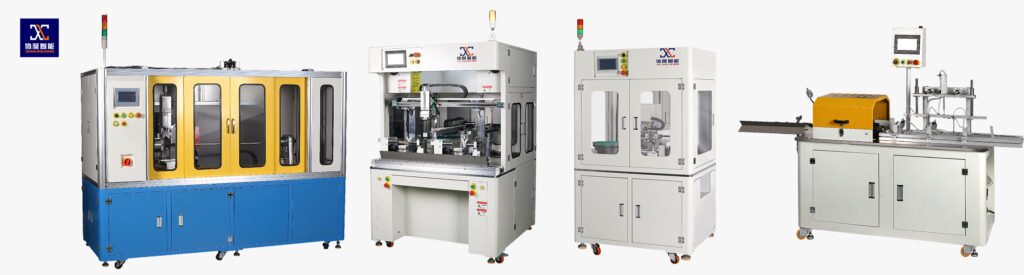
Cost vs Reliability: What Experienced Buyers Prioritize
When industrial buyers compare machine quotations, experienced procurement managers rarely choose the lowest price automatically. They look at the cost of downtime, maintenance, rejected products, spare parts, operator adjustments, and production delays before making a decision. A machine that costs less to purchase can become the more expensive option once it enters daily production. For this reason, experienced buyers usually compare total production risk rather than purchase price alone.
This matters even more when equipment is used for heating element production, resistance wire processing, coil winding, wire forming, riveting, or other repetitive manufacturing processes. These machines are not purchased simply to occupy floor space. They are expected to run repeatedly, maintain process consistency, and support a production schedule that the factory has already committed to customers.
The practical question for a procurement manager is therefore not “Which supplier gives me the cheapest quotation?” It is “What am I actually buying for the next several years of production?”
Why Do Experienced Buyers Look Beyond the Purchase Price?
A quotation is easy to compare because every supplier normally provides a machine price, delivery time, technical configuration, and payment terms. The problem is that these numbers describe the purchase transaction, not the complete operating experience.
Consider two machines with similar output specifications. Supplier A offers a lower price. Supplier B is more expensive but uses a more rigid machine structure, better electrical components, tighter machining tolerances, and a more complete testing process.
On the purchasing spreadsheet, Supplier A may appear to have won. On the factory floor, the result can be very different.
If operators need to make frequent adjustments, if components wear earlier than expected, or if a machine requires unexpected troubleshooting during production, the original price advantage gradually disappears. The purchasing department may not see these costs immediately because they are distributed across maintenance, production, quality control, and delivery management.
PROFESSIONAL JUDGMENT
A lower quotation is not automatically a bad purchase. The real warning sign is a price difference that cannot be explained by engineering, component selection, automation scope, materials, testing, or service. If the supplier cannot explain why the machine costs less, an experienced buyer should investigate before accepting the saving.
What Hidden Costs Should Procurement Managers Calculate?
The most useful way to compare equipment is to move from a purchase-price mindset to a production-cost mindset. A machine may have only one purchase price, but it can create many different costs during its operating life.
| Cost Area | Low-Price Focus | Reliability Focus | Production Risk | Buyer Priority |
|---|---|---|---|---|
| Initial Investment | Lowest quotation | Balanced investment | Limited view of long-term cost | Medium |
| Downtime | Often overlooked | Reliability evaluated before purchase | Lost production hours | Very High |
| Maintenance | Purchase-focused | Maintenance planned around components | Unexpected labor and repair cost | High |
| Product Quality | Specification-focused | Consistency-focused | Scrap and rework | Very High |
| Spare Parts | Checked after purchase | Discussed before order | Longer recovery time | High |
ADVICE FOR BUYERS #1
Before comparing machine prices, ask every supplier for the same technical information: main component brands, control system, motor or servo configuration, expected maintenance points, spare parts availability, testing procedure, and warranty scope. A price comparison becomes much more meaningful when the machines are actually being compared on the same engineering basis.
Which Technical Details Tell You Whether a Machine Is Built for Long-Term Use?
This is where procurement and engineering teams need to work together. Reliability cannot be judged reliably from photographs or a short quotation. The technical construction of the machine tells a much more useful story.
Machine Frame and Structural Rigidity
A machine working through thousands of repetitive cycles is exposed to vibration, mechanical loading, acceleration, and repeated movement. Structural rigidity therefore matters more than appearance.
For winding and wire-processing equipment, movement accuracy can gradually become a production issue when the structure, transmission system, or working mechanism is not sufficiently stable. The buyer should therefore ask how the frame is constructed, which components carry repeated loads, and how alignment is controlled during assembly.
Material and Component Selection
The material used for a machine frame is only one part of the equation. Bearings, gears, shafts, guide components, motors, sensors, electrical parts, and transmission elements can all influence operating life.
Experienced buyers do not necessarily demand the most expensive component available. They look for the correct component for the actual duty cycle. A component that is appropriate for intermittent operation may not be appropriate for a factory running multiple shifts every day.
Electrical and Control System
A machine can be mechanically strong and still create production problems if its electrical system is poorly configured. PLCs, servo drives, sensors, switches, wiring, safety components, and control cabinets all influence stability.
For overseas buyers, component availability is particularly important. A common industrial component that can be sourced locally or replaced quickly may be more valuable than a proprietary component that creates a long service interruption.
How Does Quality Control Affect Equipment Reliability?
This is often the part of supplier evaluation that receives too little attention. Buyers usually inspect the finished machine, but reliability begins much earlier in the manufacturing process.
Machining accuracy, welding quality, component inspection, electrical assembly, mechanical alignment, software debugging, trial operation, and final testing all contribute to the final machine.
For a procurement manager, the important question is not simply whether the supplier says that the machine has been tested. Ask what is actually tested.
- Is the machine tested under actual production conditions?
- Are repeated cycles checked?
- Are finished products inspected after machine testing?
- Are electrical and mechanical parameters checked separately?
- Is a final inspection record available before shipment?
For buyers who want to verify a manufacturer’s formal qualifications, certificates can provide another piece of evidence. You can review the available documentation on the Xiezhan certificate page.
What Should Buyers Check Before Accepting a Machine?
A supplier’s sales presentation can tell you what the machine is supposed to do. A factory acceptance process tells you whether it actually does it.
For equipment used in repetitive production, acceptance should be based on the customer’s actual material, product dimensions, production requirements, and expected operating conditions whenever possible.
| Inspection Area | What to Check | Evidence | Risk if Ignored | Procurement Decision |
|---|---|---|---|---|
| Mechanical Structure | Frame, transmission and moving parts | Technical drawings and inspection | Vibration or instability | Approve / Review |
| Electrical System | PLC, servo, sensors and wiring | Component list and testing | Unexpected stoppage | Approve / Review |
| Production Test | Continuous operating test | Test records and samples | Unstable output | Approve / Retest |
| Finished Product | Dimensions and consistency | Sample inspection | Rework and rejection | Approve / Adjust |
| Documentation | Manuals, drawings and spare parts | Complete documentation | Difficult maintenance | Approve / Request |
How Can Procurement Teams Compare Two Suppliers More Fairly?
If two quotations look very different, do not immediately assume that one supplier is expensive and the other is competitive. First normalize the specifications.
Ask both suppliers to quote against the same product dimensions, material, output requirement, automation level, electrical standard, testing requirement, spare parts package, installation support, and warranty terms.
Only after these items are aligned does the price comparison become meaningful.
This approach is especially useful when buying from overseas manufacturers. A lower machine price can be offset by expensive modifications, difficult communication, missing documentation, or long troubleshooting cycles after installation.
ADVICE FOR BUYERS #2
Do not ask suppliers only for their “best price.” Ask them to explain what is included in that price. A clear quotation should make it possible to identify the machine configuration, production capability, control system, testing scope, spare parts, installation support, and warranty conditions. The better the quotation can be understood, the easier it is to compare suppliers without comparing completely different machines.
Where Does the Supplier’s Factory Experience Become Important?
There is a difference between a company that can manufacture one machine and a manufacturer that has repeatedly built equipment for industrial production.
Experienced factories normally develop practical knowledge from repeated projects: which components fail under certain operating conditions, where alignment problems appear, which materials are difficult to process, how operators actually use the machine, and which adjustments are likely to be required after installation.
This experience is difficult to capture in a product brochure. It appears instead in machine design decisions, production testing, documentation, troubleshooting ability, and the way engineers communicate with the buyer.
For example, when a buyer explains a new heating element production requirement, a capable manufacturer should be able to ask questions about wire material, wire diameter, product geometry, production volume, automation requirements, available factory power, operator experience, and expected working hours.
That conversation is often more useful than a long list of standard machine features.
You can also review examples of industrial cooperation and previous project experience on the Client Cooperation page.
What Does a Reliable Equipment Investment Look Like?
A reliable equipment investment does not necessarily mean buying the most expensive machine. That is another mistake procurement teams should avoid.
The better approach is to spend money where it protects production. If a more expensive component has a direct effect on positioning accuracy or machine uptime, the additional cost may be justified. If an expensive feature does not improve the customer’s actual production process, it may not be necessary.
In other words, experienced purchasing is not about paying more. It is about knowing where not to compromise.
A PRACTICAL PROCUREMENT RULE
Spend more attention on components and processes that directly affect production continuity, product accuracy, maintenance time, and recovery speed. Do not pay extra simply because a machine contains more features.
Frequently Asked Questions from Industrial Buyers
Does a higher machine price always mean better reliability?
No. A higher price only becomes meaningful when the difference can be connected to engineering, materials, components, automation, testing, service, or production capability. Buyers should compare the technical configuration behind the price rather than assuming that expensive automatically means better.
How can I verify whether a manufacturer can really build reliable equipment?
Ask for technical documentation, component information, testing procedures, production samples, factory information, previous project experience, and relevant certificates. More importantly, discuss your actual production conditions with the engineering team. The quality of that technical conversation often reveals the supplier’s practical experience.
Should spare parts be included in the original equipment order?
For overseas equipment purchases, it is usually sensible to discuss critical spare parts before shipment. Items with long replacement lead times or those subject to normal wear deserve particular attention. The correct spare parts package depends on the machine structure and expected production schedule.
What should I do if two suppliers have similar specifications but very different prices?
Ask both suppliers to provide a detailed configuration comparison. Check the frame structure, transmission components, motors or servos, electrical system, sensors, machining standards, testing process, spare parts, installation support, and warranty. A large price difference usually becomes easier to understand once the machines are compared line by line.
The Better Question Is Not “Cheap or Expensive?”
Experienced buyers eventually stop treating cost and reliability as two completely separate choices. They look at how the initial investment affects the factory’s ability to maintain output, control quality, and recover quickly when something goes wrong.
For a machine used occasionally, a low purchase price may make sense. For equipment running multiple shifts and supporting a customer’s delivery schedule, the calculation changes. Reliability becomes part of production capacity.
That is why supplier evaluation should extend beyond a quotation. Look at the factory, engineering process, component selection, quality control, testing standards, documentation, previous projects, and after-sales support. Then compare the price.
For procurement teams reviewing industrial equipment suppliers, Xiezhan Machinery provides a useful starting point for reviewing the company’s equipment range and manufacturing focus.
The right machine is not necessarily the one with the lowest quotation or the largest list of features. It is the one whose engineering, production capability, quality control, and service support make sense for the factory that will operate it every day.