
Design Trade-Offs in Compact Winding Machines
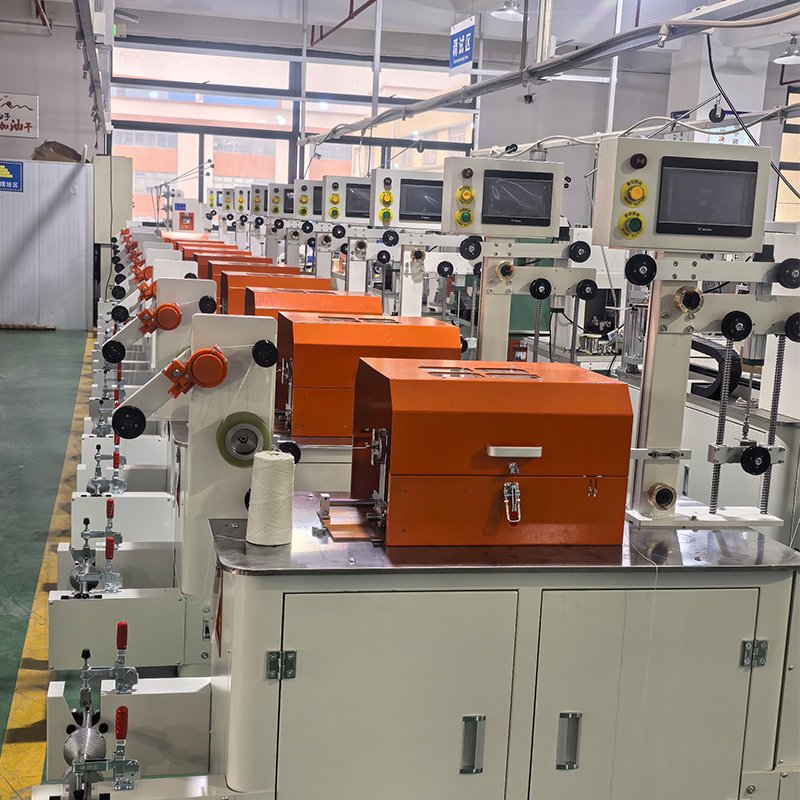
What You Gain—and Lose—When Choosing Compact Machine Designs
If you’re considering a compact winding machine, the real question is not “Will it fit my space?”—it’s “What am I giving up to make it fit?” Smaller machines solve layout constraints, but they often introduce trade-offs in stability, flexibility, and long-term output consistency. Many buyers only realize this after installation, when production requirements start pushing the limits of the machine.
From a procurement perspective, compact design is not a simple upgrade—it’s a compromise decision. Let’s break down where those compromises actually happen, and how to evaluate them properly before you commit.
Why Are Compact Winding Machines So Popular Right Now?
The demand is real, especially among:
- Small-to-mid size heater manufacturers
- Factories expanding within limited floor space
- New production lines with budget constraints
According to a Statista manufacturing space utilization report, over 40% of factories in Asia and Europe operate under space optimization pressure, driving demand for compact equipment.
On paper, compact machines offer clear advantages:
- Lower footprint
- Easier installation
- Reduced initial cost
But these benefits don’t come without technical compromises.
What Trade-Offs Are Built Into Compact Machine Design?
Compact machines are not just smaller versions of standard machines—they are fundamentally different in how components are arranged and how forces are managed.
| Design Aspect | Compact Machine | Standard Machine | Operational Impact | Buyer Consideration |
|---|---|---|---|---|
| Frame rigidity | Reduced | Higher | More vibration | Affects precision |
| Component spacing | Dense layout | Spacious layout | Harder maintenance | Longer downtime |
| Tension control range | Limited | Wide | Material constraints | Less flexibility |
| Cooling and heat dissipation | Restricted | Optimized | Thermal buildup | Component wear |
| Upgrade capability | Limited | Expandable | Future limitations | Scaling risk |
In a coil winding machine, even slight vibration or tension variation can affect coil uniformity. When the machine structure is compact, these effects are harder to absorb.
Why Do These Trade-Offs Matter More in Real Production?
In controlled testing, compact machines often perform well. But production environments are different.
Here’s what changes:
- Longer operating hours increase thermal stress
- Material variation requires wider adjustment range
- Operator differences introduce inconsistency
According to a McKinsey manufacturing performance study, equipment operating outside optimal conditions can lose up to 20% efficiency over time—especially in high-precision processes.
This is why compact designs need to be evaluated based on real usage, not just specifications.
When Does a Compact Machine Make Sense—and When Doesn’t It?
This is where procurement decisions become practical.
Compact Machines Work Best When:
- Production volume is moderate
- Product variation is limited
- Space constraints are critical
- Operators are experienced
Compact Machines Become Risky When:
- Production runs 24/7
- Multiple wire types or alloys are used
- High precision consistency is required
- Future expansion is planned
In heating element manufacturing, where consistency directly affects product performance, these factors become even more important.
How Experienced Buyers Evaluate Compact Machine Options
Instead of asking “Is this machine compact?”, experienced buyers ask deeper questions:
1. Where Has Space Been Reduced?
Not all compact designs are equal.
Ask:
- Which components were downsized?
- Was frame thickness reduced?
- Is motor capacity affected?
2. What Performance Limits Exist?
Every compact machine has limits.
Clarify:
- Maximum continuous operating hours
- Material compatibility range
- Tolerance stability under load
3. How Easy Is Maintenance?
Dense layouts can slow down maintenance.
Look for:
- Accessible components
- Modular design
- Standardized parts
You can compare different machine structures in our winding machine category.
Why Mature Buyers Don’t Decide Based on Size Alone
At early stages, buyers often prioritize:
- Machine footprint
- Initial investment
But more experienced buyers focus on:
- Long-term stability
- Production flexibility
- Total operating cost
This shift usually happens after their first scaling challenge.
Many clients in our client cooperation portfolio initially chose compact machines, then upgraded once production demands increased.
How a Specialized Manufacturer Approaches Compact Design
As a winding machine manufacturer focused on heating element equipment, we approach compact design differently.
Instead of simply reducing size, we prioritize:
- Maintaining structural rigidity
- Optimizing internal layout for airflow
- Using modular components for easier maintenance
When buyers review our capabilities through the about us page, they often notice the focus on production reliability—not just machine size.
Final Thought: Compact Design Is a Strategy, Not a Shortcut
Choosing a compact machine is not just about saving space—it’s about deciding what trade-offs you’re willing to accept.
In some cases, it’s the right choice.
In others, it limits your production before you even scale.
If you’re evaluating compact vs standard machines for your production line, it’s worth mapping your long-term needs first—not just your current constraints.
If you want a practical recommendation based on your product type and production plan, you can reach out via our contact us page. We usually compare both options before suggesting a configuration.