
Why Some Machines Drift After Extended Use
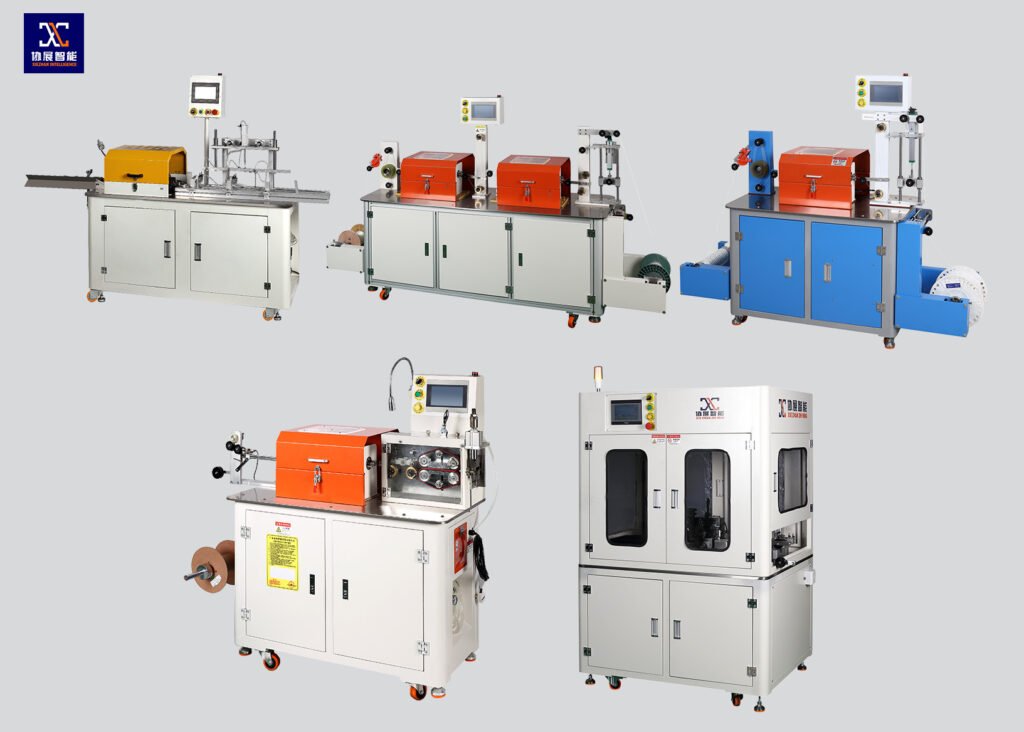
What Really Causes Machine Drift in Long-Term Production
If your production starts stable but gradually becomes inconsistent—coil pitch shifts, positioning errors increase, or output quality varies—the issue is often not a sudden failure. It’s machine drift. This happens slowly over time and is one of the most underestimated risks when selecting industrial equipment.
For buyers sourcing a winding machine, understanding why drift happens is critical. Because once it appears, fixing it is far more difficult than preventing it during the initial equipment selection stage.
What Does “Machine Drift” Actually Mean in Production?
Drift is not a breakdown. It’s a gradual deviation from the original operating condition.
In winding processes, this typically shows up as:
- Coil spacing slowly changing over time
- Tension becoming inconsistent
- Positioning accuracy decreasing
- Increased need for manual correction
Unlike immediate faults, drift builds up quietly. Operators often compensate manually until the problem becomes too large to ignore.
According to a Siemens industrial maintenance report, over 60% of long-term equipment accuracy issues are caused by gradual parameter deviation rather than component failure.
Why Do Machines Drift After Extended Use?
There is no single cause. Drift is the result of multiple small changes accumulating over time.
| Drift Factor | What Changes | Effect on Machine | Impact on Output | Time to Notice |
|---|---|---|---|---|
| Mechanical wear | Guide rails, bearings | Increased play | Position deviation | Weeks to months |
| Thermal expansion | Frame and components | Dimensional shift | Inconsistent pitch | Hours to days |
| Sensor drift | Feedback signals | Incorrect readings | Control instability | Gradual |
| Material variation | Wire properties | Tension mismatch | Output variation | Immediate to gradual |
| Control system limits | Static parameters | No adaptation | Performance decay | Long-term |
In a coil winding machine, these small shifts directly affect consistency. And because winding relies on precision repetition, even minor deviations become visible in final products.
Why Does Drift Appear More in Some Machines Than Others?
This is where machine design and manufacturing quality come into play.
Two machines with similar specifications can behave very differently over time.
1. Structural Rigidity
Machines with weaker frames are more sensitive to vibration and thermal changes.
Over time, this leads to:
- Alignment shifts
- Increased mechanical play
2. Component Quality
Lower-grade bearings, guides, or sensors wear faster and introduce variability.
3. Control System Capability
Basic systems operate on fixed parameters.
Advanced systems can:
- Adjust in real time
- Compensate for variation
- Maintain stability over longer periods
This is one reason experienced buyers reviewing options in the winding machine category look beyond initial specs and focus on long-term behavior.
Why Is Machine Drift Often Misdiagnosed?
In real production, drift is rarely identified correctly at first.
It’s often blamed on:
- Operator error
- Material inconsistency
- Process variation
While these factors contribute, they are often secondary.
According to a Boston Consulting Group operations study, nearly 30% of production inconsistencies attributed to human factors actually originate from equipment instability.
This misdiagnosis delays proper solutions and increases hidden costs.
How Experienced Buyers Prevent Drift Before It Happens
The key is not fixing drift—but preventing it at the selection stage.
1. Evaluate Long-Term Stability, Not Just Initial Accuracy
Ask:
- How does the machine perform after continuous operation?
- Are there long-run test results?
- What maintenance intervals are required?
2. Check Material Adaptability
Different wire types behave differently.
Machines should handle:
- Material variation
- Batch differences
- Tension adjustments
3. Review Compensation Mechanisms
Look for systems that:
- Adjust tension dynamically
- Monitor position feedback
- Correct deviations automatically
Buyers who have worked with experienced manufacturers often prioritize these features after their first production issues. You can see how long-term users approach equipment selection in the client cooperation section.
How a Specialized Manufacturer Reduces Drift Risk
As a winding machine manufacturer focused on heating element production equipment, we design machines with drift prevention in mind.
This includes:
- High-rigidity machine frames
- Precision guide systems with lower wear rates
- Adaptive control systems for long-term stability
When buyers review our approach through the about us page, they often notice the emphasis on durability and consistency—not just performance.
Final Thought: Drift Is a Slow Problem with Expensive Consequences
Machine drift doesn’t stop production immediately—but it gradually reduces quality, efficiency, and reliability.
By the time it becomes visible, it has already affected:
- Product consistency
- Production efficiency
- Maintenance costs
For buyers planning long-term production, drift should be treated as a key decision factor—not a maintenance issue.
If you’re evaluating a new machine or facing stability issues in your current setup, you can reach out through our contact us page. We usually review machine structure, materials, and production conditions together to identify potential risks early.