
Typical Winding Setup in Southeast Asian Plants
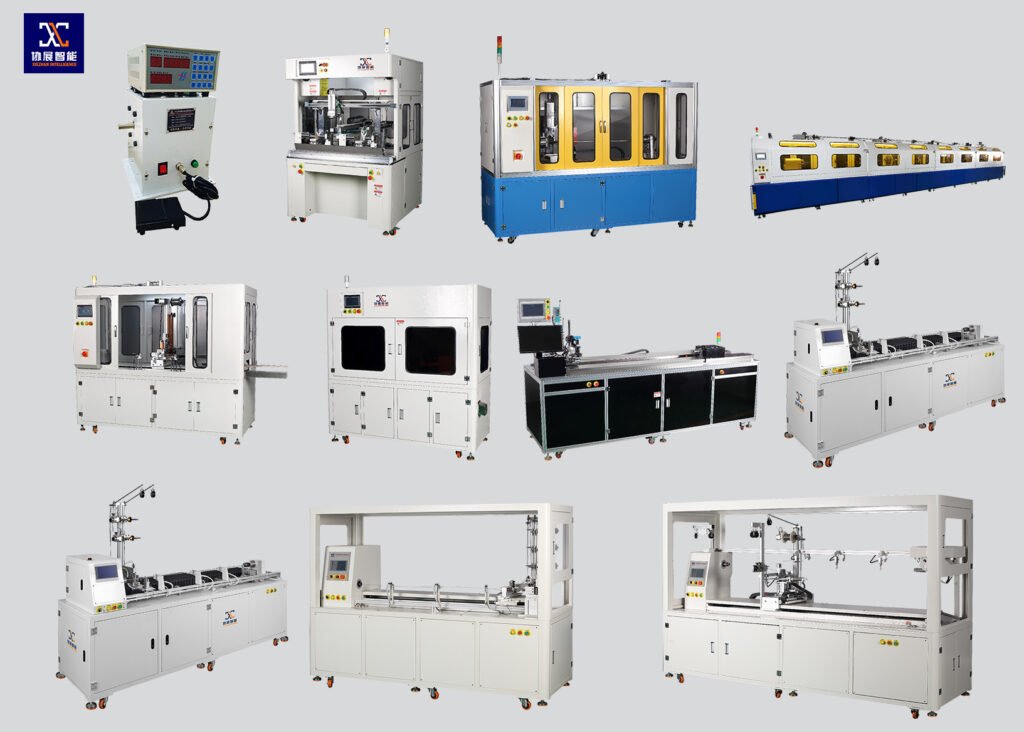
How Winding Lines Are Actually Set Up on Southeast Asian Factory Floors
If you’re sourcing heating element equipment for Southeast Asia, the real question is simple: how do local factories balance cost, labor, and output without over-investing in automation? The answer is not a single machine choice, but a practical line configuration that fits local workforce skills, power conditions, and product mix. What you’ll see across Vietnam, Thailand, and Indonesia is not “high-end only” or “manual only,” but a hybrid winding setup designed for flexibility and stable daily output.
What Does a Typical Winding Setup Look Like in Southeast Asia?
Most plants don’t build from scratch. They evolve. A typical setup starts with a semi-automatic core and gradually adds automation where bottlenecks appear. The goal is not maximum speed—it’s predictable output with minimal downtime.
| Stage | Machine Type | Typical Model | Labor Involvement | Output Role |
|---|---|---|---|---|
| Wire Forming | Spring Winding | XZ-T2103 / XZ-T2201 | Low | Core coil shaping |
| Corrugation | Wave Winding | XZ-B450P / XZ-B360P | Medium | Heat distribution structure |
| Mica Assembly | Mica Winding | XZ-C1040P | Medium | Insulation integration |
| Fixing | Riveting | XZ-GJ006 / XZ-SM800 | High | Mechanical stability |
| Testing | Dry Burn | XZ-DX009 | Low | Quality validation |
This structure appears repeatedly because it fits the region’s strengths: affordable labor combined with selective automation.
Factories here don’t chase full automation. They prioritize machines that reduce skill dependency while keeping manual flexibility.
Why Not Fully Automatic Lines?
On paper, a fully automated CNC winding line sounds ideal. In reality, many Southeast Asian plants avoid going “all-in” for three reasons.
1. Product Variety Changes Too Often
Hair dryer coils, heater elements, and industrial resistors often change dimensions. Machines like XZ-T2201 handle complexity well, but constant changeovers reduce efficiency if the entire line is automated.
2. Skilled Labor Is Available—but Not Specialized
Operators can run semi-automatic systems effectively, but high-end CNC troubleshooting is still limited in many regions. That’s why machines like XZ-T2103 are widely used—they offer automation without overcomplication.
3. Investment Risk Is Carefully Controlled
Buyers here often scale gradually. Instead of a $150K line, they build a $40K–$70K setup and expand after stable orders.
Start with a semi-automatic backbone and automate only the bottleneck stage. This reduces both upfront cost and operational risk.
How Do Factories Balance Output and Labor?
This is where experienced buyers look beyond machine specs. The real efficiency comes from how machines are arranged, not just which ones are selected.
| Setup Type | Machines Used | Operators | Daily Output | Best For |
|---|---|---|---|---|
| Manual-heavy | B315 + manual riveting | 6–8 | Low | Small workshops |
| Hybrid | T2103 + B450P + SM800 | 3–4 | Medium | Growing factories |
| High automation | T2201 + full line | 1–2 | High | Large exporters |
Most factories you’ll visit fall into the middle category. That’s where cost and output intersect in a sustainable way.
What Machines Are Considered “Must-Have”?
From a procurement standpoint, a few machines consistently appear in nearly every setup.
- Spring winding machine – core production unit
- Corrugated wire machine – defines heating efficiency
- Mica winding machine – insulation integration
- Riveting machine – structural reliability
- Testing equipment – quality assurance
If you’re exploring options, you can review a full range of configurations here: winding machine
What Makes Some Lines More Stable Than Others?
After working with multiple factories across Southeast Asia, one pattern stands out: stability comes from compatibility, not complexity.
Machine Matching Matters More Than Speed
For example, pairing XZ-B450P with XZ-C1040P ensures consistent coil spacing and insulation alignment. Mismatched machines often create rework.
Operator Learning Curve Is Critical
Machines that are too advanced for the workforce often underperform. This is why many buyers prefer working with experienced suppliers who understand local conditions.
You can see how real projects are implemented here: client cooperation
Choosing the Right Supplier: What Experienced Buyers Look For
At this stage, the decision is less about machines and more about who you’re buying from.
- Can they recommend a full line, not just a single machine?
- Do they understand your product type (hair dryer, heater, industrial)?
- Will they adjust configurations based on your labor conditions?
A reliable manufacturer or factory doesn’t just sell equipment—they help design your production flow.
If you want to understand how a supplier builds this capability, take a look here: about us
The best suppliers don’t push the most expensive machine. They recommend what will run smoothly on your shop floor.
Final Thought: Build for Stability, Then Scale
The most successful Southeast Asian factories didn’t start with perfect setups. They built step by step, focusing first on stable output, then improving efficiency.
If you’re planning your own winding line, don’t aim for perfection on day one. Aim for a setup that runs every day without surprises. Once that’s in place, scaling becomes straightforward.
If you want a tailored configuration based on your product and output target, reach out here: contact us