
Best Cutting Methods for High-Temperature Mica Boards
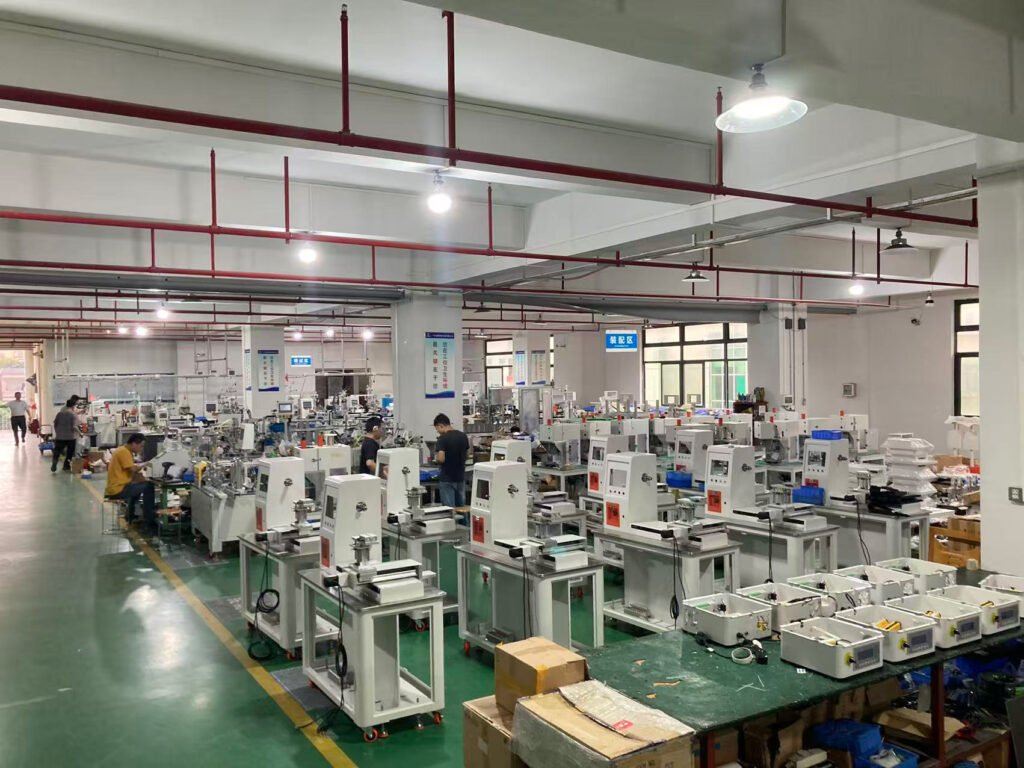
How Industrial Manufacturers Improve Accuracy When Cutting High-Temperature Mica Boards
When buyers search for the best cutting method for high-temperature mica boards, they are usually trying to solve three problems at the same time: edge cracking, dimensional inconsistency, and production efficiency. In real manufacturing environments, the wrong cutting process can increase material waste, create unstable insulation performance, and slow down downstream assembly. The best solution is not always the fastest machine. It is the method that matches board thickness, heat resistance requirements, production volume, and long-term operating stability.
Factories producing industrial heating elements increasingly prioritize cutting consistency over maximum cutting speed. Stable dimensional control directly affects assembly efficiency and final thermal insulation reliability.
Why Is Cutting High-Temperature Mica Boards More Difficult Than Standard Insulation Materials?
Many new buyers underestimate the mechanical behavior of mica materials during processing. High-temperature mica boards are heat resistant, electrically insulating, and structurally layered. That layered structure creates processing challenges that are very different from plastic sheets or metal plates.
During cutting, several issues can appear simultaneously:
- Edge delamination caused by unstable blade pressure
- Dust generation affecting workshop cleanliness
- Thermal deformation during high-speed friction
- Tolerance variation from manual positioning
- Micro cracking reducing long-term durability
This is why experienced mica processing manufacturers rarely recommend a universal cutting solution. The production target matters more than the machine category itself.
For example, factories producing thin mica sheets for household heating systems require different processing behavior compared with industrial furnace insulation manufacturers using thicker rigid mica boards.
What Cutting Methods Are Commonly Used in Precision Mica Processing?
In current industrial production, buyers usually compare five mainstream cutting approaches:
- Manual cutting
- Punch cutting
- Saw blade cutting
- CNC routing
- Fully automatic servo-controlled cutting systems
Each method has strengths and limitations depending on material thickness, edge requirements, production volume, and labor conditions.
| Cutting Method | Precision Level | Production Speed | Best Application | Main Limitation |
|---|---|---|---|---|
| Manual Cutting | Low | Slow | Small sample production | Operator dependent |
| Punch Cutting | Medium | Fast | Fixed-size mass production | Tooling limitation |
| Saw Blade Cutting | Medium-High | Medium | Rigid mica boards | Edge dust generation |
| CNC Routing | High | Medium-High | Complex geometry cutting | Programming requirement |
| Fully Automatic Servo Cutting | Very High | High | Continuous industrial production | Higher initial investment |
Why Are More Factories Switching to Automated Mica Board Cutting Systems?
The transition toward automated cutting systems is not only about labor reduction. In many factories, the real issue is production stability during long operating cycles.
A production line may run well during the first two hours but gradually lose cutting consistency after continuous operation. This usually happens because of vibration accumulation, manual positioning fatigue, or unstable feeding alignment.
Servo-controlled high temp mica cutter systems reduce those variables significantly.
For example, the XZ-XB1300 Fully Automatic Mica Board Four Edge Trimming and Cutting Machine is designed with CNC adjustable cutting size and servo spindle control. This allows factories to maintain stable edge accuracy even during continuous batch production.
Similarly, the XZ-JB1212 Fully Automatic Mica Board Cutting Machine combines automatic feeding with CNC positioning to improve repeatability across large production runs.
Industrial buyers looking for scalable precision mica processing systems usually focus on:
- Cutting tolerance stability
- Continuous operating reliability
- Reduced material waste
- Lower operator dependence
- Compatibility with multiple board thicknesses
You can review more industrial mica processing equipment here: Mica Sheet & Mica Board Processing Machines
Do not evaluate cutting equipment only by maximum speed. Stable dimensional repeatability over long production cycles matters far more in industrial mica applications.
What Does Industry Data Reveal About Precision Cutting Demand?
Recent industrial manufacturing reports from insulation material and thermal component sectors show a clear pattern: manufacturers increasingly prioritize precision and waste reduction over pure output speed.
Several production studies between 2024 and 2025 reported that factories using automated positioning and servo-controlled cutting systems reduced material waste noticeably compared with conventional manually assisted cutting operations.
This matters because mica material costs become significant during high-volume production. Even a small reduction in edge damage or rejected parts creates measurable savings over time.
The strongest demand growth for precision mica processing currently comes from:
- Industrial heating equipment manufacturers
- Electric appliance suppliers
- Infrared heater factories
- Thermal insulation system producers
- Export-oriented OEM component manufacturers
Why Experienced Buyers Ask About Waste Rate Before Machine Speed
In practical factory management, unstable material utilization often costs more than slower production speed. Mature procurement teams usually calculate total usable output per sheet rather than theoretical cutting capacity.
Which Cutting Method Works Best for Thick High-Temperature Mica Boards?
Thicker mica boards create additional cutting pressure because the layered structure becomes harder to separate cleanly.
Many low-cost cutting systems generate:
- Rough edges
- Internal cracking
- Heat accumulation
- Dimensional instability
For thick industrial boards, buyers generally move toward CNC-controlled or fully automatic trimming systems because they provide:
- Stable feeding pressure
- Controlled spindle speed
- Reduced vibration
- Higher edge consistency
- Better repeatability during continuous operation
In our experience working with international heating element factories, cutting stability becomes increasingly important when mica boards are later combined with metal heating components. Even small dimensional inconsistencies can affect final assembly alignment.
If your factory processes multiple mica thicknesses, choose equipment with flexible CNC adjustment rather than fixed tooling systems. It reduces future production limitations.
Why Do Mature Buyers Evaluate Manufacturers Differently?
Experienced buyers do not simply compare machine dimensions or motor power. They evaluate whether the supplier understands actual production conditions.
This includes:
- Material behavior during cutting
- Dust control requirements
- Long-shift operating stability
- Maintenance accessibility
- Future production scalability
That is one reason many overseas buyers prefer working with specialized mica processing machine manufacturers instead of general machinery traders.
At Xiezhan factory, discussions with buyers often involve reviewing actual production samples, target board dimensions, downstream assembly requirements, and expected expansion plans before machine recommendations are finalized.
You can see examples of international project cooperation here: Client Cooperation
A Common Misunderstanding About Precision Mica Processing
Some buyers assume the highest cutting precision automatically guarantees the best production result. In reality, excessive precision without process stability can create unnecessary complexity and maintenance cost.
The better approach is balancing:
- Precision requirement
- Production volume
- Operator skill level
- Maintenance capability
- Future expansion goals
Factories that scale successfully usually build processing systems around long-term production rhythm rather than short-term specification comparisons.
Before purchasing a high temp mica cutter, request cutting sample verification using your actual board material and thickness range. Machine performance can vary significantly depending on mica composition.
Final Thoughts: Choosing the Right Cutting Strategy for Long-Term Production
There is no single cutting method suitable for every mica board factory. The right choice depends on production scale, tolerance expectations, labor conditions, and future manufacturing direction.
Manual and semi-automatic methods still work well for small-batch or flexible production environments. But as factories grow, automated precision mica processing systems become increasingly valuable because they improve consistency, reduce waste, and support stable long-term production planning.
The most successful manufacturers usually think beyond immediate machine cost. They focus on production reliability over the next five years.
Learn more about our manufacturing capabilities here: About Us
If you are comparing cutting technologies or planning a new mica board production line, our engineering team can help evaluate suitable machine configurations based on your actual processing requirements: Contact Us