
Common Problems in Mica Sheet Punching and How to Solve Them
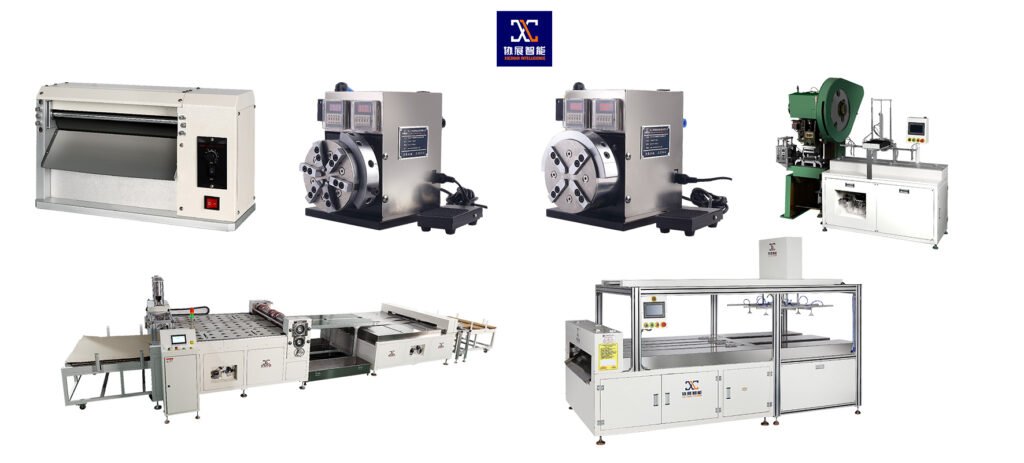
How Manufacturers Reduce Defects and Improve Stability in Mica Sheet Punching
When production defects appear during mica sheet punching, most factories first suspect the machine. In reality, the problem is often more complex. Burrs, cracking, inaccurate holes, excessive waste, and unstable feeding usually result from the interaction between tooling design, material characteristics, machine rigidity, and operator setup. Manufacturers that achieve stable punching quality typically solve the entire process together instead of adjusting only one parameter at a time.
In high-volume mica component production, consistency matters more than peak punching speed. A slightly slower but stable punching process often creates lower total production cost over time.
Why Do Mica Sheets Create Unique Punching Challenges?
Mica materials behave differently from metals, plastics, or rubber sheets. Their layered insulation structure gives them excellent heat resistance, but it also makes them sensitive during punching and die cutting operations.
Many factory managers discover this after changing from manual cutting to automated mica die cutting equipment. The production speed improves immediately, but new quality problems start appearing:
- Edge cracking
- Hole deformation
- Delamination
- Fine dust accumulation
- Uneven punch penetration
- Short die lifespan
These issues become more serious in factories producing heating elements, electric appliance insulation parts, and industrial thermal components where dimensional accuracy directly affects assembly stability.
The key point many buyers overlook is this: mica punching is not simply a force problem. It is a stress distribution problem.
What Are the Most Common Problems in Mica Sheet Punching?
After working with international manufacturers across different production scales, several recurring issues appear repeatedly during mica sheet punching operations.
1. Burr Formation Around Punching Edges
Burrs are one of the most common complaints in mica sheet punch press production lines.
The root causes are usually:
- Worn punch tools
- Incorrect punch-to-die clearance
- Insufficient machine rigidity
- Poor material positioning
Factories sometimes increase punching pressure to solve burr issues, but this often creates more cracking instead.
The better solution is balancing clearance accuracy with stable feeding alignment.
2. Cracking and Layer Separation
High-temperature mica sheets can crack when punching force concentrates too aggressively in one area.
This problem becomes worse when:
- The material thickness changes frequently
- Punch speed is too aggressive
- Tool edges become dull
- The die surface lacks proper support
In many factories, operators mistakenly assume harder pressure produces cleaner cuts. In reality, excessive force often damages the layered mica structure internally.
3. Hole Position Inaccuracy
For manufacturers producing heating plates or electrical insulation assemblies, inaccurate hole positioning creates downstream assembly problems immediately.
This issue usually comes from:
- Manual feeding inconsistency
- Material slipping
- Low repeatability during long production cycles
- Machine vibration
That is why more manufacturers are moving toward servo-controlled feeding systems integrated with automated mica die cutting equipment.
Before changing punching pressure, inspect tooling wear and feeding stability first. Many defect problems originate from alignment drift rather than insufficient force.
How Do Experienced Factories Solve Punching Instability?
Factories with stable long-term production usually follow a step-by-step process instead of trying random adjustments.
The most effective improvement path normally includes:
- Material thickness verification
- Punch clearance calibration
- Feeding alignment correction
- Punch speed adjustment
- Tool wear inspection
- Dust management improvement
Interestingly, some factories replace tooling repeatedly without solving the actual issue because the root cause is unstable feeding structure.
This is why mature manufacturers evaluate punching systems as complete production units rather than isolated machines.
| Production Problem | Likely Cause | Operational Impact | Recommended Solution | Priority Level |
|---|---|---|---|---|
| Burr Formation | Tool wear | Assembly instability | Adjust clearance & replace punch | High |
| Cracking | Excessive punching stress | Material rejection | Reduce force & improve support | Critical |
| Hole Offset | Feeding instability | Poor assembly fit | Servo positioning system | High |
| Dust Accumulation | Insufficient extraction | Machine contamination | Improve dust collection | Medium |
| Tool Lifespan Reduction | Improper setup | Higher maintenance cost | Regular calibration | Medium |
Why Are Automated Punching Systems Becoming More Popular?
The transition toward automation is not happening simply because factories want faster production. The bigger reason is repeatability.
In manual or semi-manual punching environments, production quality often changes between shifts, operators, or production batches.
Automated systems reduce those variables significantly through:
- Consistent feeding pressure
- Stable positioning accuracy
- Controlled punching cycles
- Reduced material movement
- Improved production rhythm
For manufacturers supplying export markets, this consistency matters more than headline punching speed.
Many buyers evaluating mica die cutting equipment now ask detailed questions about:
- Repeatability tolerance
- Tool lifespan
- Dust control design
- Servo feeding stability
- Continuous operating capability
You can review available mica processing equipment here: Mica Sheet & Mica Board Processing Machines
Why Stable Punching Matters More in Export Manufacturing
Factories producing for overseas appliance and heating equipment brands often face stricter consistency requirements. Small punching deviations that may seem acceptable locally can create assembly failures in automated downstream production lines.
What Does Industry Data Suggest About Punching Quality Trends?
Industrial manufacturing reports between 2024 and 2025 indicate growing investment in automated insulation material processing systems, especially in factories producing heating elements and electrical insulation components.
One important trend is that manufacturers increasingly prioritize lower rejection rates and stable repeatability over maximum machine speed.
Several production studies also found that factories using servo-assisted feeding systems experienced noticeably lower positioning deviation during continuous batch production compared with manually aligned punching operations.
This shift is especially visible in:
- Infrared heater manufacturing
- Electric cooking appliance production
- Industrial thermal equipment assembly
- OEM electrical insulation manufacturing
When comparing punching equipment, request long-cycle production testing instead of short demonstration runs. Some machines perform well initially but lose positioning stability after continuous operation.
Why Do Experienced Buyers Prefer Specialized Manufacturers?
Industrial buyers with long sourcing experience usually evaluate more than machine specifications.
They also look at whether the manufacturer understands:
- Material behavior under punching stress
- Production scalability
- Operator workflow efficiency
- Maintenance accessibility
- Future customization requirements
That is one reason many global manufacturers prefer working directly with experienced mica processing machine factories instead of general machinery suppliers.
At Xiezhan manufacturer, production discussions with buyers typically include sample evaluation, material thickness analysis, expected output planning, and downstream assembly requirements before recommending machine configurations.
You can see examples of international cooperation projects here: Client Cooperation
How Should Buyers Evaluate a Mica Sheet Punch Press Before Purchase?
The smartest buyers usually compare production reliability instead of comparing motor power alone.
A proper evaluation process should include:
- Material sample testing
- Punching accuracy verification
- Continuous operation observation
- Maintenance accessibility review
- Tool replacement simplicity
- Future expansion compatibility
Factories planning long-term growth should also evaluate whether the equipment can integrate with future automation upgrades.
Choose punching equipment based on actual production rhythm, not theoretical maximum speed. Stable output with lower rejection rates usually creates better long-term profitability.
Final Thoughts: Solving Punching Problems Requires Process Thinking
Most mica punching problems are not caused by one single issue. They result from the interaction between material behavior, tooling condition, machine stability, and production management.
Factories achieving stable high-quality output usually improve the complete production process together instead of making isolated adjustments.
As production volumes increase and customer consistency requirements become stricter, reliable mica sheet punch press systems and automated mica die cutting equipment become increasingly valuable for manufacturers focused on long-term operational stability.
Learn more about our manufacturing background here: About Us
If your factory is evaluating punching equipment or experiencing production instability, our engineering team can help review your process and recommend suitable machine configurations: Contact Us