
How to Choose a Heater Coil Winding Machine for Industrial Manufacturing
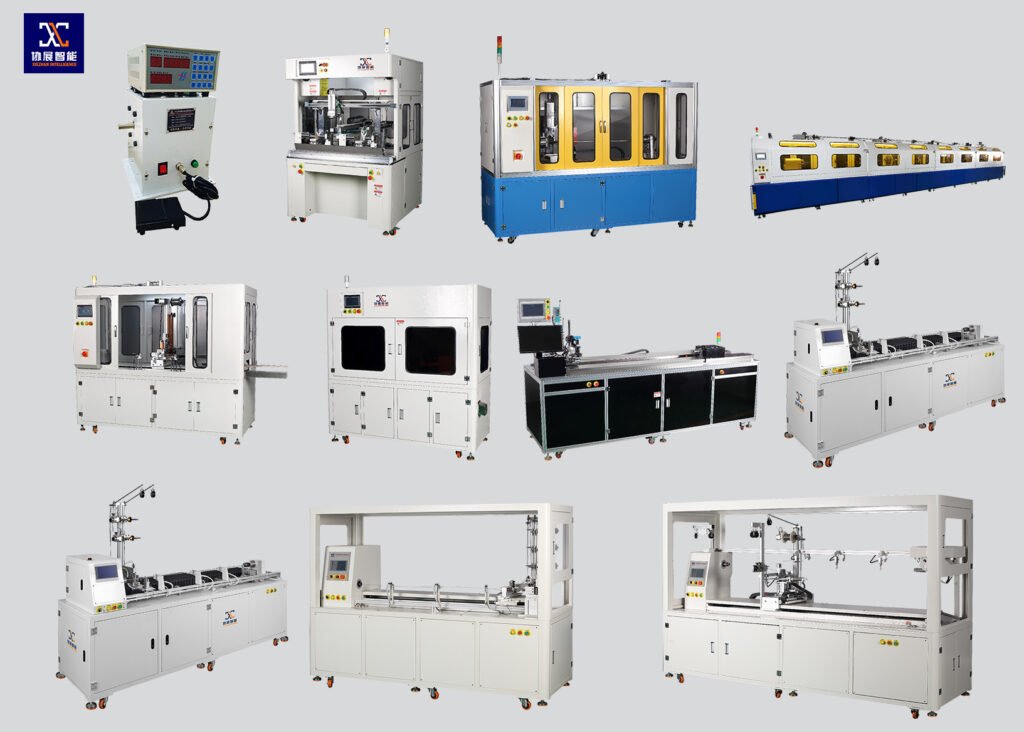
When selecting a heater coil winding machine, the real question is not which model runs fastest, but which one consistently produces heating elements that meet your resistance, shape, and assembly requirements. Many buyers focus on specifications, only to find later that machines cannot maintain stability under continuous production. Choosing correctly means understanding how machine design interacts with your product structure, material behavior, and downstream processes.
Why Do Many Buyers Choose the Wrong Machine?
In most sourcing cases, the decision starts with visible parameters: speed, automation level, or price. These are easy to compare, but rarely reflect real production performance.
The main issue is a mismatch between machine capability and heating element requirements. This typically shows up in:
- Coil deformation after winding
- Resistance inconsistency across batches
- Difficulty fitting coils into mica frames
- Frequent adjustments during assembly
From field experience, over 60% of performance issues are caused not by machine defects, but by incorrect selection criteria. Industry manufacturing studies also indicate that instability in coil forming can increase downstream rejection rates by 15–25% in appliance production lines.
What Actually Matters When Choosing a Winding Machine?
To make a reliable decision, it helps to shift from “machine comparison” to “process matching.”
1. Wire Type and Diameter Range
Different heating elements use different materials: nichrome, FeCrAl, or other resistance alloys. Each behaves differently under tension and speed.
Machines designed for generic coil forming may not handle thin heating wire accurately. For example:
- Thin wire requires precise tension feedback
- Thicker wire demands stronger mechanical torque
- Different alloys react differently to bending stress
2. Target Heating Element Structure
A key mistake is treating all coils the same. In reality, heating elements vary widely:
- Hair dryer mica heating element assemblies
- Corrugated resistance wire for ovens
- Spring-type coils for compact heaters
Each structure requires different winding profiles and machine configurations.
3. Integration with Mica and Assembly Processes
The coil is only one part of the system. It must fit precisely into mica carriers and align with eyelet riveting positions.
If the machine cannot produce consistent geometry, assembly efficiency drops significantly. In large-scale production, even small deviations create cumulative losses.
How to Evaluate Machine Capability Before Purchase?
Instead of relying only on specifications, experienced buyers evaluate machines based on actual production behavior.
| Evaluation Area | What to Check | Typical Risk | Impact |
|---|---|---|---|
| Tension Stability | Long-run consistency | Fluctuation | Resistance variation |
| Mechanical Structure | Frame rigidity | Vibration | Coil deformation |
| Control System | Programmability | Limited profiles | Inflexibility |
| Process Matching | Fit with mica & assembly | Misalignment | Low efficiency |
Why Speed Alone Is Not a Reliable Indicator?
Many suppliers emphasize maximum RPM, but this does not reflect usable performance.
In practice:
- Higher speed increases vibration risk
- Wire tension becomes harder to control
- Heat generation affects material properties
Production data shows that reducing defect rates by just 3% can offset the benefit of increasing speed by 10–15%. This is why experienced buyers focus on stable operating range rather than peak capacity.
Regional Differences in Machine Expectations
Understanding how different markets define these machines can help align expectations:
- Europe: heating element winding systems (focus on integration)
- India: heater coil machine (cost-performance balance)
- Southeast Asia: wire winding machine (generalized term)
Despite different naming, the requirement remains consistent: stable, repeatable production.
Common Limitations in the Market
Many machines available today share similar weaknesses:
- Designed for general coil applications, not heating elements
- Insufficient adaptability to different wire materials
- Lack of coordination with mica processing and assembly stages
These limitations often only become visible after installation, when production issues start to accumulate.
What Makes a Reliable Manufacturer Different?
At Guangdong Xiezhan, machine development is based on heating element production requirements rather than generic winding logic.
As a specialized manufacturer and factory, the focus is on:
- Material-specific winding control
- Compatibility with mica heating element structures
- Integration with assembly and eyelet riveting processes
- Long-term production stability
This approach is reflected in actual production results seen in client cooperation cases, where consistency matters more than isolated machine performance.
How to Make a Confident Decision
If you are comparing suppliers, consider the following steps:
- Request sample production under real conditions
- Check resistance consistency across batches
- Evaluate compatibility with your heating element design
- Review long-term stability, not just initial output
You may also review broader market comparisons such as heater coil winding machine manufacturers to understand positioning differences.
Final Perspective for Industrial Buyers
Choosing a heater coil winding machine is ultimately about matching equipment capability with production reality.
A machine that performs well in a demonstration may not deliver under continuous operation. The difference lies in how well it controls material behavior, maintains stability, and integrates with your full manufacturing process.
For detailed evaluation based on your specific product and capacity targets, you can reach out through the contact page.