
How Machine Rigidity Affects Micro-Tolerance Control
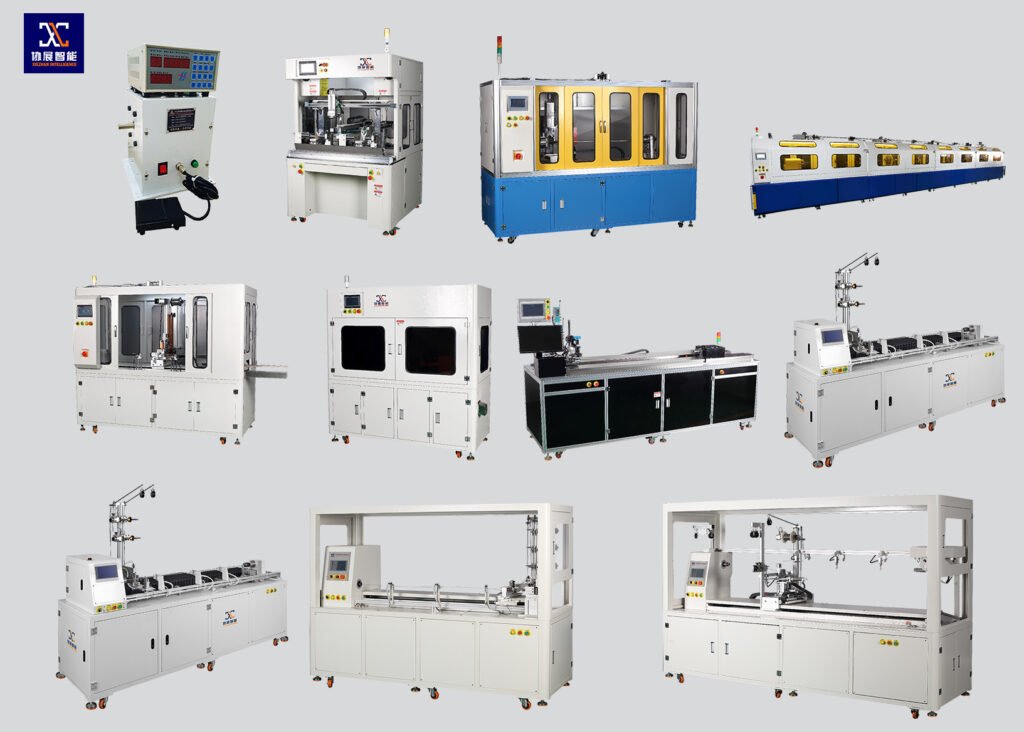
Why Structural Stability Defines Precision in Winding Processes
If you’re sourcing a winding machine and expecting tight micro-tolerance control, the key question is simple: how rigid is the machine structure under real load? In practice, even small structural deflections—often invisible during testing—can directly translate into coil inconsistency, pitch deviation, and long-term quality drift. Precision doesn’t come from speed or software alone; it starts with rigidity.
Step 1: Understand What “Machine Rigidity” Really Means in Production
Many suppliers describe rigidity in general terms, but in real manufacturing, it comes down to how the machine behaves under dynamic stress. Especially in resistance wire winding, forces are constantly changing—tension, rotation, and vibration all interact.
Key Components That Define Rigidity
- Machine frame structure (welded vs cast)
- Spindle stability and bearing quality
- Guide rail and feeding system alignment
- Vibration damping design
A report from CIRP (International Academy for Production Engineering) shows that machine deflection under load can contribute up to 30% of dimensional error in precision forming processes.
—Step 2: Why Does Low Rigidity Lead to Micro-Tolerance Failure?
This is where many buyers underestimate the risk. Micro-tolerance issues don’t usually show up immediately—they accumulate over time.
Common Effects in Winding Applications
- Coil pitch variation under high-speed rotation
- Wire displacement due to vibration
- Inconsistent tension feedback
- Tooling misalignment during long production runs
In heating element production, even a deviation of ±0.05 mm can impact resistance value consistency. According to IEC-related testing benchmarks, this can affect final product performance by over 10% in extreme cases.
—Step 3: How to Evaluate Rigidity Before You Buy
Instead of relying on specifications alone, experienced buyers focus on practical evaluation methods.
What to Check During Machine Selection
| Evaluation Point | What to Observe | Risk if Ignored | Recommended Action |
|---|---|---|---|
| Frame Design | Thickness & structure | Machine vibration | Choose reinforced frame |
| Spindle System | Runout stability | Coil inconsistency | Request tolerance test |
| Vibration Level | Noise & oscillation | Precision loss | Run high-speed test |
| Load Testing | Real material behavior | Hidden defects | Test with your wire |
If you’re comparing different solutions, you can review machine configurations here: winding machine options
—Step 4: Matching Rigidity to Your Application Scenario
Not every application requires maximum rigidity—but underestimating it leads to long-term losses.
Application-Based Requirements
- High-precision coils → require rigid frame + servo control
- Thick wire winding → requires stronger torque stability
- Flat wire applications → extremely sensitive to vibration
In our experience as a winding machine factory, customers producing export-grade heating elements often prioritize rigidity over automation features. It’s a long-term decision.
—Step 5: What Differentiates a Reliable Manufacturer?
At this stage, the difference is not visible in brochures—it shows in production results.
- Do they test under real working conditions?
- Can they show long-term stability data?
- Do they understand your application or just sell machines?
From what we’ve seen, buyers who work with experienced manufacturers reduce defect-related losses by 20–30% over time.
You can see how different factories approached this through real projects: client cooperation insights
—Step 6: Common Misconceptions About Precision Control
“Software Can Fix Everything”
Control systems help, but they can’t compensate for structural instability.
“Higher Cost Means Higher Precision”
Not always. Some machines invest more in automation than structural strength.
“Initial Testing Is Enough”
Short tests don’t reveal long-term deformation or vibration effects.
—How We Approach Rigidity in Machine Design
As a manufacturer with years in resistance wire processing equipment, we focus on:
- Reinforced frame engineering
- Precision spindle systems
- Real material testing before delivery
If you want to understand how we build for long-term stability rather than short-term performance: learn more about our factory
—FAQ: What Buyers Usually Clarify Before Purchase
Do your machines comply with CE and ISO standards?
Yes. Our systems are designed in line with CE safety requirements and manufactured under ISO9001 quality management processes.
Can you customize machine rigidity for specific products?
Yes. Frame structure and key components can be adjusted based on product tolerance requirements.
What is your delivery time?
Standard machines: around 35 days. Customized systems: typically 40–60 days.
—Final Advice: Don’t Buy Precision—Build It Into the Machine
If your production depends on micro-tolerance control, rigidity isn’t optional—it’s foundational. A stable machine reduces variability, lowers rejection rates, and protects your long-term production cost.
If you’re currently evaluating equipment or facing precision challenges: talk to our engineering team