
How Data Collection Improves Process Optimization
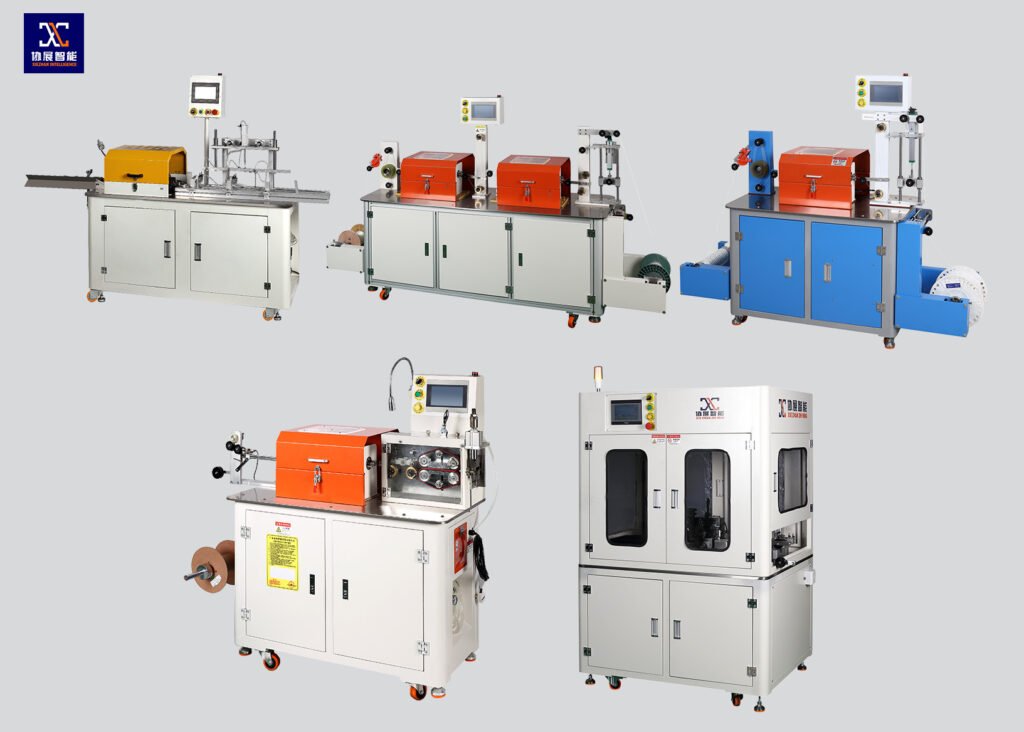
From Data Monitoring to Real Production Control
If you’re considering investing in data-enabled equipment, the real question is not whether data collection works—it does. The real question is: can your team turn that data into consistent process control? In many factories, machines already generate data, but production remains unstable. The gap is not technology—it’s how data is applied in daily operations.
Step 1: Define What “Improvement” Means in Your Production
Before collecting any data, experienced buyers clarify what they want to improve. Without this, even the most advanced system won’t deliver results.
Typical Improvement Targets
- Reduce defect rate during winding
- Stabilize coil pitch consistency
- Minimize operator intervention
- Ensure batch-to-batch repeatability
A PwC manufacturing insight report shows that factories with clearly defined process KPIs achieve up to 15–20% higher operational stability compared to those without structured targets.
—Step 2: Select the Right Data Points—Not the Most Data
More data does not mean better control. In winding production, only a few parameters actually drive outcomes.
High-Impact Data in Winding Processes
- Wire tension variation
- Winding speed fluctuation
- Machine vibration level
- Thermal influence on wire behavior
Modern winding machine systems can capture all of these, but selecting the right subset is what makes the difference.
If you’re evaluating equipment with integrated monitoring: explore winding machine options
—Step 3: Build a Data-to-Action Workflow
This is where most factories struggle. Data must lead to immediate, repeatable action—not just reports.
Practical Implementation Steps
- Set acceptable ranges for each parameter
- Define trigger points for intervention
- Train operators to respond consistently
- Track adjustment results over time
Step 4: Choose Equipment Based on Your Data Strategy
Different production stages require different levels of data integration. Choosing the wrong level either wastes budget or limits improvement.
Basic Control
Entry Level
Manual checks with limited sensor support
Best for: Small batch or low precision
Risk: High operator dependency
Monitored Control
Recommended
Real-time data display with alerts
Best for: Stable production improvement
Advantage: Faster response to variation
Adaptive Control
Advanced
Automated adjustment based on data
Best for: Export-oriented manufacturing
Advantage: High consistency, low defects
Step 5: Apply Data Insights to Continuous Improvement
Once data starts influencing decisions, improvements become measurable.
Typical Results Observed
- Reduced defect rates over time
- More stable machine operation
- Lower dependency on skilled operators
- Improved consistency across production runs
In our experience as a winding machine manufacturer, factories that implement structured data workflows typically reduce process variability within the first 3–6 months.
You can see how different manufacturers improved production using similar approaches: client cooperation cases
—Step 6: Practical Procurement Advice
Why Experienced Buyers Focus on Practical Systems
From a procurement standpoint, the goal is not to build a complex data system—it’s to create a reliable and repeatable production process.
- Simple systems reduce training time
- Clear data leads to faster decisions
- Stable processes reduce long-term cost
If you want to understand how we integrate practical data systems into machine design: learn about our manufacturing approach
—Final Thought: Data Only Matters When It Changes Decisions
Data collection is not the goal. Process improvement is. The factories that succeed are those that connect data directly to daily actions—and repeat those actions consistently.
If you’re planning to improve your production process or upgrade your equipment: contact our team