
Automated Mica Processing Solutions for Heating Element Manufacturing
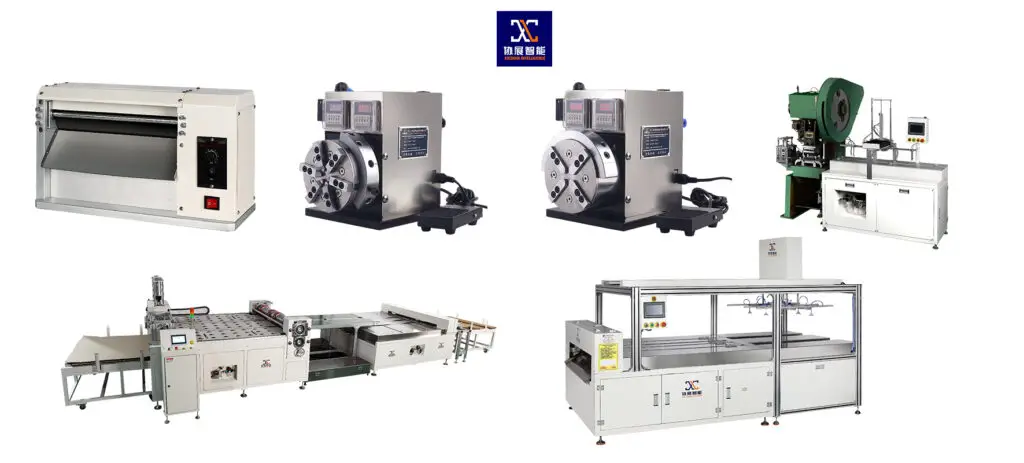
Why Automated Mica Processing Is Reshaping Heating Element Manufacturing
For many heating element manufacturers, the biggest production problem today is no longer machine speed alone. The real issue is maintaining stable dimensional accuracy, reducing operator-dependent variation, and keeping insulation processing consistent across large production batches. That is why mica processing automation is becoming increasingly important in modern heater manufacturing. Automated systems help factories improve production stability, reduce material waste, and maintain better assembly consistency for electrical insulation applications.
In conversations with factory owners and engineering managers, one pattern appears repeatedly: manufacturers who continue relying heavily on manual mica processing often struggle with unstable output quality once production volume increases. Meanwhile, factories adopting industrial mica processing solutions are generally seeing better production control, lower rejection rates, and more predictable manufacturing performance.
Industry Observation
According to multiple industrial manufacturing studies focused on appliance production efficiency, automated material handling and CNC-controlled insulation processing can reduce production variation significantly compared with operator-dependent manual systems. This trend is especially visible in heating element factories supplying export-oriented appliance brands.
Why Are Heating Element Factories Moving Toward Automation?
Several years ago, many factories could still rely on manual cutting, hand positioning, and semi-automatic insulation shaping. Today, that production model is becoming increasingly difficult to sustain.
The main reasons are practical rather than theoretical:
- Labor costs continue rising globally
- Product tolerances are becoming tighter
- Appliance brands demand stable batch consistency
- Production traceability expectations are increasing
- Factories need scalable manufacturing capacity
In electrical insulation processing, small dimensional deviations often create larger downstream assembly problems. For example, inconsistent mica board dimensions may affect heating wire positioning, insulation spacing, or thermal stability during long-term operation.
This is why many manufacturers now treat automated mica board machines as core production infrastructure rather than optional auxiliary equipment.
What Does an Industrial Mica Processing Solution Include?
A complete industrial mica processing solution is usually not limited to one standalone machine. Instead, it combines several coordinated production stages into a more stable and repeatable workflow.
Depending on the product structure, a typical automated mica processing line may include:
| Processing Stage | Main Equipment | Production Purpose |
|---|---|---|
| Board Cutting | Mica board cutting machine | Precision sizing and slitting |
| Four Edge Trimming | Automatic trimming system | Improved edge consistency |
| Punching/Forming | Mica molding equipment | Component shaping |
| Feeding & Positioning | Automatic feeding system | Stable repetitive production |
Factories producing custom mica board products often combine these processes into integrated production lines to reduce manual transfer errors and improve production efficiency.
You can explore more related equipment on our Mica Sheet & Mica Board Processing Machines page.
How Automated Mica Board Machines Improve Production Stability
The biggest advantage of automation is not simply reducing labor. The real advantage is production consistency.
In many factories, manual operations create hidden variability throughout the production process:
- Different operator habits
- Inconsistent feeding alignment
- Variable cutting pressure
- Unstable positioning accuracy
- Fatigue-related production errors
Automated mica processing systems reduce these variables through servo control, CNC positioning, and repeatable process logic.
For example, the XZ-XB1300 Fully Automatic Mica Board Four Edge Trimming and Cutting Machine developed by Guangdong Xiezhan integrates:
- Automatic board loading
- CNC-adjustable cutting dimensions
- Servo spindle motor control
- ±0.2mm cutting accuracy
- Multi-specification cutting capability
This type of automated mica board machine is especially useful for factories processing larger insulation panels and high-volume heater components where edge consistency directly affects downstream assembly.
Advice for Equipment Buyers
Do not evaluate automation only by machine speed. In real factory environments, stable production consistency over long operating cycles usually creates more value than short-term peak output numbers.
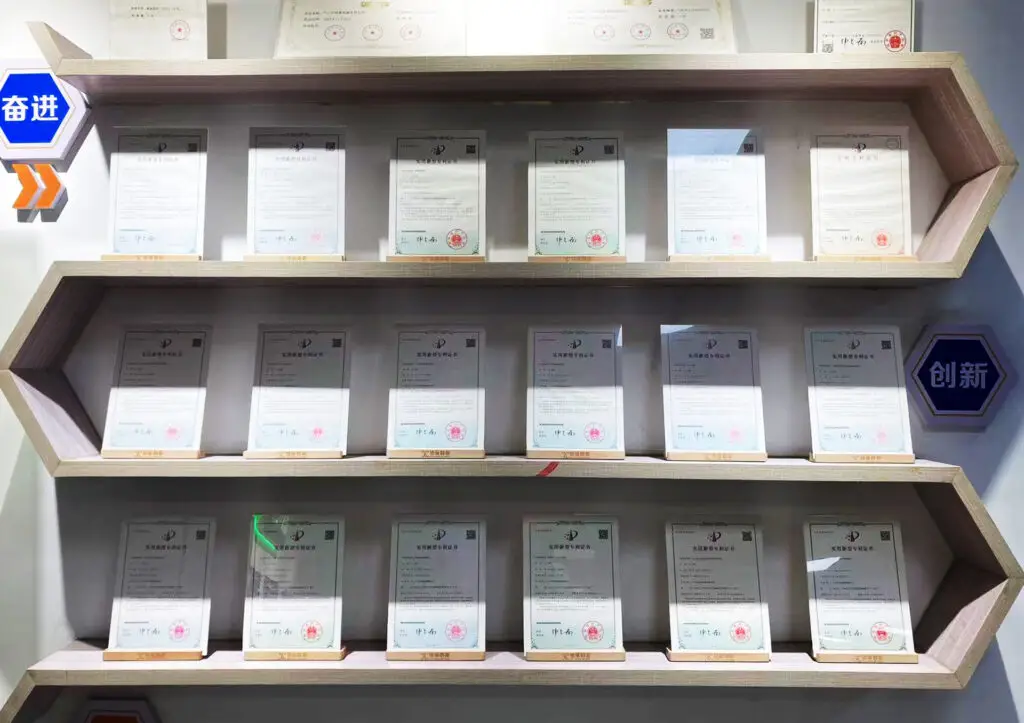
Why Precision Electrical Insulation Processing Matters More Than Ever
Electrical insulation manufacturing standards are becoming stricter across multiple industries including home appliances, industrial heaters, and temperature-control systems.
Factories supplying international brands increasingly face requirements for:
- Stable dimensional tolerances
- Consistent insulation spacing
- Long-term thermal reliability
- Lower defect rates
- Production repeatability
As a result, industrial mica processing solutions are evolving from simple mechanical equipment into integrated manufacturing systems focused on precision control and repeatable output quality.
The XZ-JB1212 Fully Automatic Mica Board Cutting Machine is a good example of this shift. Designed for cutting and slitting flat insulation boards, the system combines automatic feeding, CNC size setting, and servo motor control to maintain stable processing accuracy for thin insulation materials.
With ±0.2mm cutting precision and stable multi-specification processing capability, this type of mica heater processing machine helps manufacturers reduce dimensional variation during batch production.
What Production Problems Does Automation Actually Solve?
Many equipment discussions focus heavily on automation concepts but ignore actual factory pain points. In reality, manufacturers usually adopt automation to solve several recurring production problems.
| Factory Problem | Typical Cause | Automation Benefit |
|---|---|---|
| High rejection rates | Manual positioning variation | Stable cutting consistency |
| Material waste | Inaccurate cutting alignment | Improved material utilization |
| Low production scalability | Operator dependency | Higher repeatable output |
| Assembly inconsistency | Dimensional variation | Better insulation uniformity |
One important detail many buyers discover later is that automation often reduces indirect costs more significantly than direct labor costs. Lower scrap rates, better assembly efficiency, and reduced production interruptions frequently create larger long-term savings.
How Are Custom Mica Board Production Requirements Changing?
The demand for custom mica board production has increased noticeably over the past several years. Appliance manufacturers are developing more compact heating systems, tighter internal layouts, and more specialized insulation structures.
This trend creates several manufacturing challenges:
- More complex cutting dimensions
- Smaller tolerance requirements
- Higher product variation
- Shorter production cycles
Traditional manual production methods struggle to handle these requirements efficiently. Automated processing systems are becoming increasingly important because they allow faster production adjustments without sacrificing consistency.
From my experience working with heating element factories, manufacturers investing early in flexible automation usually adapt faster when customer specifications change.
Advice for Long-Term Production Planning
When evaluating a mica processing line, consider not only your current product structure but also future customization requirements. Many factories outgrow basic semi-automatic systems sooner than expected once customer demand becomes more diversified.
How Experienced Manufacturers Evaluate Industrial Mica Processing Solutions
Professional heater manufacturers rarely choose equipment based only on initial machine price. Most experienced factories evaluate the entire production system.
This usually includes:
- Production consistency
- Equipment durability
- Automation scalability
- Maintenance accessibility
- Technical support responsiveness
- Compatibility with future production upgrades
At Guangdong Xiezhan, discussions with clients usually begin with product structure and production workflow analysis rather than immediately recommending a single machine model. This approach helps manufacturers avoid equipment mismatch problems that often appear after production expansion.
You can learn more about our manufacturing background and engineering capabilities on the About Us page.
Some international project examples are also available in our Client Cooperation section.
Final Thoughts from a Manufacturing Perspective
Mica processing automation is no longer simply about replacing labor. It has become part of a broader manufacturing strategy focused on production consistency, dimensional control, material utilization, and long-term operational stability.
As heating element manufacturing standards continue rising globally, automated mica board machines will play an increasingly important role in helping factories maintain competitiveness, especially in export-oriented appliance production.
Factories that continue depending heavily on unstable manual processing may find it increasingly difficult to maintain consistency as product complexity and customer requirements grow.
If you are currently planning an automated electrical insulation processing line or evaluating industrial mica processing solutions for custom heater manufacturing, you can contact our engineering team through the Contact Us page for technical recommendations and project discussions.