
How to Match Winding Machines to Your Heating Element Design
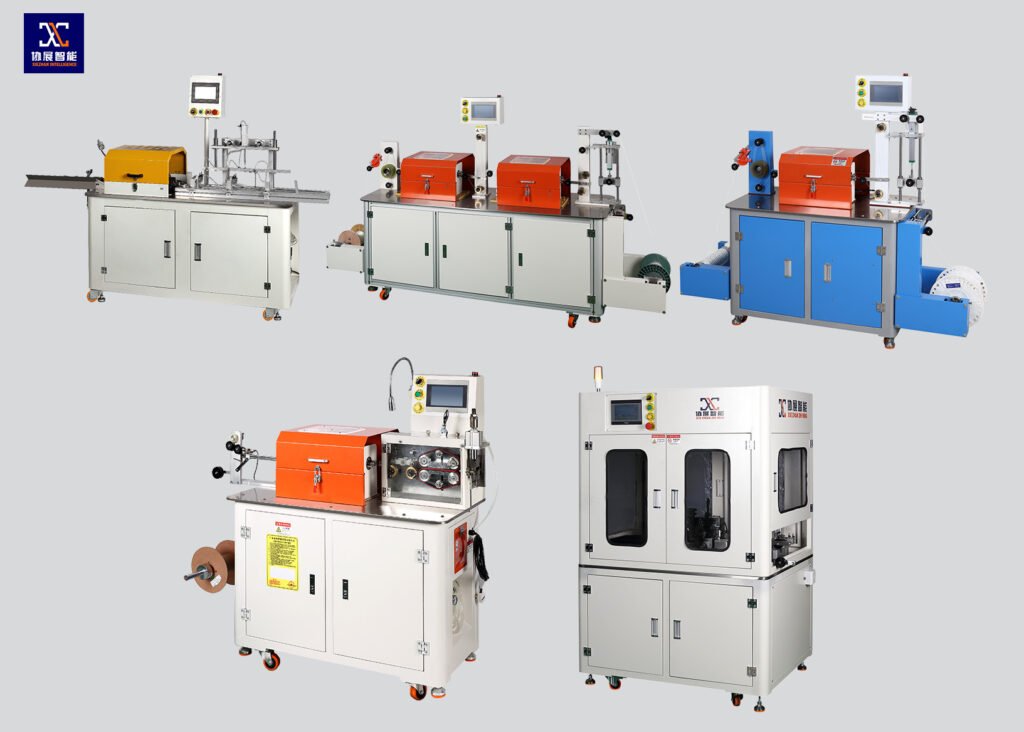
Choosing the Right Winding Equipment for Heating Element Production
When manufacturers design a new heating element, one question usually appears early in the procurement discussion: “Which winding machine configuration will actually match our coil design?” Choosing the wrong equipment can lead to unstable coil spacing, slow production, or repeated tooling adjustments. The most reliable approach is to start from the heating element structure itself—wire material, coil diameter, pitch accuracy, and production volume—and then match those requirements with the correct winding system. For procurement teams and engineering managers, this alignment is often the difference between smooth production and constant troubleshooting.
Across global manufacturing sectors such as appliance heating systems, industrial heaters, and automotive thermal components, coil geometry and winding accuracy directly influence product performance. Understanding how design specifications translate into machine capability helps decision-makers select equipment that supports long-term production stability rather than simply meeting initial specifications.
Step 1: Understand the Structure of Your Heating Element Design
Before evaluating any winding machine, manufacturers must clearly define the structural parameters of their heating element. These details determine the mechanical requirements the machine must handle.
Key parameters usually include:
- Resistance wire material (nichrome, FeCrAl, or other alloys)
- Wire diameter and hardness
- Coil diameter and pitch tolerance
- Target heating load and operating temperature
- Production output requirements
For example, tightly spaced coils used in compact heating elements require much higher tension control than standard open-pitch coils. Machines designed for simple spring coils may struggle with this level of precision.
Experienced buyers typically involve both product engineers and process engineers during this stage. Their combined understanding ensures that equipment selection reflects real production conditions rather than theoretical design drawings.
Step 2: Identify the Coil Geometry Your Machine Must Produce
Not all heating coils are the same. Different industries require different winding structures.
Common coil structures include:
| Coil Type | Typical Application | Machine Requirement |
|---|---|---|
| Open spiral coil | Industrial heaters | Stable pitch control |
| Spring heating coil | Appliance heating elements | Consistent tension and diameter |
| Ring heater coil | Circular heater assemblies | Accurate forming capability |
Selecting equipment that matches these geometries prevents additional forming steps later in the process.
Why Do Some Heating Element Lines Experience Coil Inconsistency?
During equipment upgrades, production managers often discover that the previous machine could technically wind coils but struggled with consistency.
This usually happens because the machine was originally designed for a different coil structure.
Insufficient Tension Control
Heating element wire alloys such as nichrome behave differently from standard spring wire. If the tension system is not designed for resistance wire, pitch variation becomes common.
Tooling Designed for Generic Springs
Some general-purpose winding machines use tooling designed for mechanical springs rather than heating elements. This can cause deformation when forming heating coils.
Production Speed vs Accuracy Trade-offs
Machines optimized for high speed sometimes sacrifice fine pitch control. In heating element production, accuracy often matters more than maximum cycle speed.
Step 3: Evaluate Machine Precision and Control Systems
Once the heating element design parameters are clear, the next step is evaluating whether the machine can consistently maintain those parameters during long production runs.
Key machine features worth examining include:
- Digital pitch control systems
- Stable wire tension adjustment
- Precision guiding components
- Programmable coil memory
Modern equipment increasingly integrates digital control systems that allow operators to store coil parameters for repeat orders. This reduces setup time and minimizes variation between production batches.
Manufacturers comparing different machine configurations can review available options within the winding machine range to understand how different systems support various coil structures.
Industry Statistics: Why Equipment Matching Matters
Research from the International Electro-Heat Association indicates that heating element performance variations of up to 15% can occur when coil geometry deviates from design specifications during manufacturing.
In addition, data published by appliance component manufacturers shows that stable coil pitch can reduce heater failure rates by more than 20% in long-term operation.
These findings explain why experienced buyers increasingly prioritize equipment that precisely matches heater design requirements.
Step 4: Consider Production Volume and Automation Level
Another key factor when matching equipment to heating element design is production scale.
Manufacturers typically evaluate three production scenarios:
- Small batch specialized heating elements
- Medium-volume appliance components
- High-volume automated production lines
Each scenario may require a different machine configuration. For example, semi-automatic machines offer flexibility for multiple heater models, while fully automatic systems support stable large-scale production.
Factories producing heating elements for international appliance brands often rely on automated winding equipment to maintain consistent output across multiple shifts.
What Do Experienced Buyers Look for in a Winding Machine Manufacturer?
Beyond the machine itself, procurement teams frequently evaluate the experience of the equipment manufacturer or factory. A supplier that understands heating element production can often suggest improvements to coil design or tooling configuration.
Buyers also consider factors such as engineering support, customization capability, and industry experience. Examples of long-term partnerships between equipment manufacturers and global producers can be seen on the client cooperation page.
Common Limitations of Generic Winding Machines
Some manufacturers initially purchase general-purpose winding equipment due to lower upfront costs. However, these machines may reveal limitations over time.
- Limited adaptability to different heating coil geometries
- Frequent manual adjustments between production batches
- Lower precision when handling resistance wire alloys
Specialized machines designed for heating element production typically address these limitations through optimized tooling and tension systems.
FAQ: Questions Buyers Often Ask
Do winding machines require international certifications?
Many manufacturers request CE certification or similar compliance depending on their region. Industrial equipment suppliers normally provide documentation to meet these requirements.
Can machines be customized for specific heater designs?
Yes. Heating elements vary widely in diameter, pitch, and material, so equipment manufacturers often adjust tooling systems or feeding structures to match customer specifications.
What delivery time should buyers expect?
Standard winding machines may ship within several weeks, while customized systems typically require additional engineering time for testing and adjustment.
Working With an Experienced Equipment Manufacturer
When heating element manufacturers evaluate suppliers, they often prefer companies that combine engineering capability with practical manufacturing experience. Understanding the background of the equipment manufacturer can provide insight into the reliability of the machines they produce.
Additional information about the engineering team and development background can be found on the about us page.
Discussing Your Heating Element Production Requirements
Every heating element design introduces unique production challenges. Matching the correct winding equipment to those requirements requires careful evaluation of coil geometry, material properties, and production scale.
For manufacturers planning new heater production lines or upgrading existing equipment, discussing design details with experienced engineers often leads to better long-term results.
If your team is currently comparing winding machine configurations or preparing a new heating element project, you can share your design parameters through the contact us page to explore suitable solutions.