
Why Some Machines Look Similar but Perform Differently
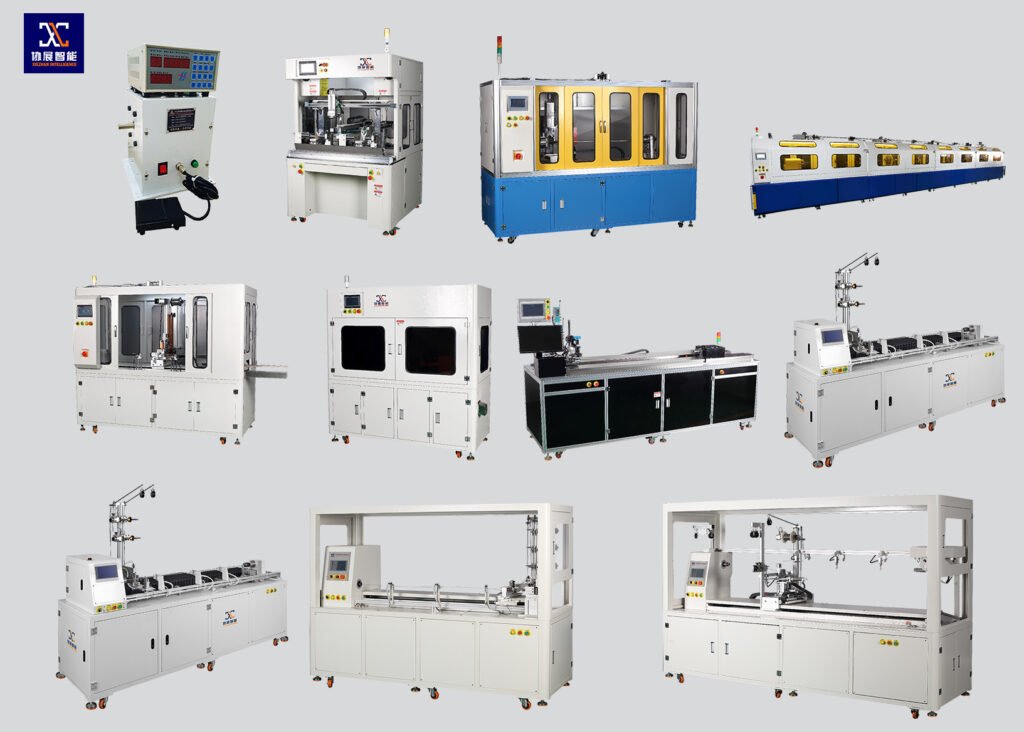
Understanding Why Similar Machines Deliver Different Results
Manufacturers comparing industrial equipment often face a puzzling situation: two machines appear almost identical in photos or basic specifications, yet their real production performance can be very different. For procurement managers and engineering teams, this raises an important question—what actually determines machine performance if the external structure looks the same? In practice, the difference usually lies in internal engineering design, component quality, manufacturing precision, and long-term reliability considerations. Understanding these factors helps buyers avoid costly purchasing mistakes when selecting equipment such as a winding machine, coil forming system, or resistance wire winding equipment.
In industries producing heating elements, cable assemblies, or precision coils, small variations in machine stability can significantly influence product quality. A machine that appears visually similar to another may behave very differently once production begins.
The Core Problem: Machines Look Similar but Work Differently
At trade fairs or when reviewing supplier catalogs, many machines share similar frames, spindle layouts, and control panels. This visual similarity often leads buyers to assume the machines offer the same capability. However, internal engineering differences can dramatically affect how the machine performs during continuous production.
According to manufacturing research published by the European Machine Tool Association, variations in machining precision and structural rigidity alone can affect production stability by more than 25% in automated equipment environments.
For equipment such as coil winding machines or heating wire winding systems, this difference can translate into inconsistent pitch spacing, unstable tension control, or reduced machine lifespan.
What Causes These Performance Differences?
Although machines may appear similar externally, several internal factors determine their actual performance. These differences often become visible only after weeks or months of production.
1. Structural Engineering and Frame Design
The machine frame supports all moving components. A well-designed frame reduces vibration and maintains alignment between guiding systems and winding shafts. Even slight structural weakness can cause micro-vibrations during high-speed winding operations.
For example, in high-precision heating coil manufacturing, unstable frames can affect wire tension and coil diameter consistency.
2. Component Quality and Mechanical Accuracy
Two machines may look identical but use very different component brands. Motors, bearings, and control systems strongly influence performance reliability.
Reliable equipment manufacturers typically use tested component suppliers and maintain strict quality control standards during assembly.
3. Control System Programming
Modern winding equipment relies heavily on programmable control systems. The quality of the software logic behind the control interface affects motion synchronization, pitch accuracy, and repeatability.
Machines with poorly optimized control programs may still function but often require constant operator adjustments.
4. Manufacturing Precision
Precision machining of spindles, guides, and feeding components directly influences coil quality. Even minor deviations can lead to uneven winding patterns or reduced production stability.
Industry studies show that precision manufacturing tolerance can affect automated equipment efficiency by nearly 20% in continuous production environments.
Real Production Consequences
These hidden engineering differences often appear during long production runs rather than during short demonstrations. Factories producing heating elements or industrial coils may observe several operational problems when machines lack engineering refinement.
| Observed Problem | Possible Cause |
|---|---|
| Inconsistent coil pitch | Weak tension control system |
| Machine vibration during high speed operation | Frame rigidity or spindle precision issues |
| Frequent manual adjustments | Simplified control programming |
| Short equipment lifespan | Low-grade components |
For manufacturers producing thousands of coils per day, these issues can significantly increase maintenance costs and production downtime.
How Experienced Buyers Identify the Difference
Procurement managers with experience in industrial equipment rarely judge machines based solely on external appearance. Instead, they evaluate several deeper indicators before selecting a supplier.
- Engineering drawings and structural design explanation
- Component brand transparency
- Real production testing results
- Supplier experience in similar industries
For example, manufacturers evaluating equipment for heating element production often request sample coil tests before finalizing their purchase decision.
Some procurement teams also review existing cooperation cases between suppliers and manufacturers. Examples of such collaborations can be seen on the client cooperation page.
Solutions: How to Avoid Choosing the Wrong Machine
Although visual similarity between machines can be misleading, several practical evaluation steps help buyers select equipment with reliable long-term performance.
Request Technical Comparisons
Ask suppliers to explain structural design differences and component selections. Transparent explanations often indicate stronger engineering capability.
Analyze Production Testing
Whenever possible, review real production demonstrations rather than short idle tests. Stable machines should maintain consistent coil geometry throughout extended runs.
Evaluate Engineering Experience
Suppliers specializing in certain industries usually develop machines optimized for those applications. Equipment factories focusing on coil manufacturing often provide more reliable solutions.
Buyers comparing different configurations can explore equipment options within the winding machine category to better understand machine structures.
Why Mature Manufacturers Focus on Engineering Depth
Experienced equipment manufacturers know that industrial buyers evaluate machines not only by price but by long-term reliability. Engineering depth—design testing, component selection, and process knowledge—often separates high-performance machines from visually similar alternatives.
Many established equipment factories invest heavily in engineering development to ensure consistent performance across different production environments. Information about engineering background and manufacturing capability can often be found on the about us page.
FAQ: Questions Buyers Often Ask
Do similar machines always have the same performance?
No. Machines that look similar externally may differ significantly in internal engineering design, component quality, and manufacturing precision.
How can buyers verify machine capability before purchasing?
Many manufacturers request sample production tests, detailed technical drawings, and customer references before confirming equipment orders.
Can winding machines be customized for specific products?
Yes. Many equipment manufacturers provide customization options for wire diameter ranges, coil structures, and automation levels depending on production requirements.
Discussing Your Production Requirements
Selecting the right equipment requires understanding both machine design and production conditions. Machines that appear similar may deliver very different results once integrated into real manufacturing environments.
If your team is evaluating equipment suppliers or planning a new production line, discussing coil specifications and production targets with experienced engineers can help identify the most suitable solution. You can share your requirements through the contact us page to explore appropriate equipment options.