
Common Communication Gaps Between Buyers and Manufacturers
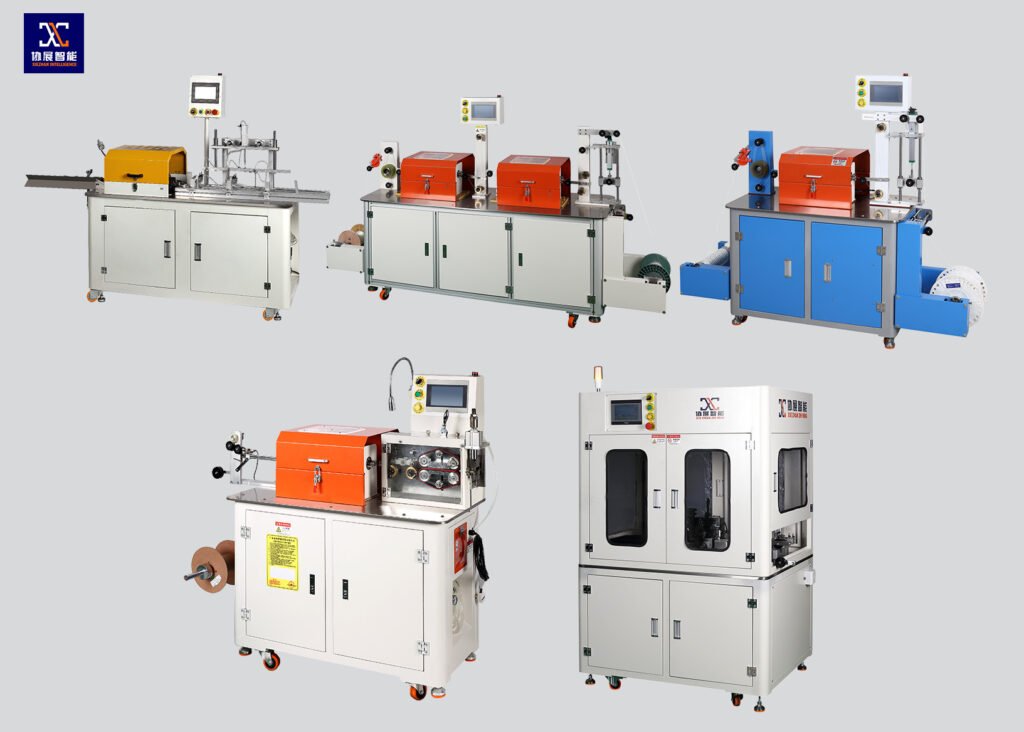
Understanding Real Communication Challenges in Industrial Equipment Procurement
Many production problems in manufacturing do not begin on the factory floor. They start much earlier—during the communication between equipment buyers and manufacturers. Procurement managers often assume that specifications are clear, while manufacturers believe the requirements are already understood. In practice, this gap leads to incorrect machine configuration, delayed delivery, and sometimes equipment that cannot run properly once installed.
According to procurement research published by industrial consulting groups, more than 60% of equipment implementation delays originate from incomplete technical communication during the quotation or design stage. In sectors such as heating element manufacturing or resistance wire processing, even small misunderstandings about wire diameter, coil pitch, or tension control can affect the final production result.
This article explains the most common communication gaps between buyers and manufacturers and how experienced purchasing teams avoid them when selecting a winding machine or other industrial production equipment.
Data Insight: Where Communication Breakdowns Usually Occur
A review of international manufacturing procurement reports shows that communication issues usually fall into several predictable categories. They rarely involve language alone; most of the time the problem is related to missing technical details or different assumptions about production conditions.
| Communication Area | Typical Buyer Assumption | Manufacturer Interpretation | Possible Result |
|---|---|---|---|
| Production speed | Quoted speed equals stable long-term output | Speed measured under ideal testing conditions | Actual production slower than expected |
| Material specification | Machine supports all resistance wires | Configuration optimized for specific wire types | Wire breakage or unstable tension |
| Automation level | Automatic means minimal manual operation | Semi-automatic loading still required | Unexpected labor cost |
| Machine configuration | Standard model suits all products | Certain products require customized tooling | Machine cannot produce target design |
Studies by global manufacturing associations also indicate that procurement teams that provide full technical drawings during early communication reduce implementation errors by nearly 40%. In other words, clearer information early on significantly improves equipment selection accuracy.
Why Do Buyers and Manufacturers Often See the Same Requirement Differently?
One important reason is that both sides focus on different parts of the production process. Buyers often prioritize final product requirements, while machine manufacturers must consider mechanical structure, tooling limitations, and control systems.
Buyers Focus on Product Performance
Procurement teams normally describe requirements based on the finished product:
- Heating coil diameter
- Resistance wire material
- Final product output per hour
- Product appearance consistency
These are important specifications, but they do not always explain how the machine must achieve them.
Manufacturers Focus on Process Constraints
Equipment engineers think in terms of manufacturing mechanics:
- Wire feeding stability
- Tension control method
- Tooling compatibility
- Motor control precision
Without aligning these perspectives, both sides may believe they understand the requirement while actually discussing different aspects of production.
What Information Is Most Often Missing During Early Discussions?
In our experience as a winding equipment manufacturer, the most common missing information is surprisingly basic. Even experienced buyers sometimes assume these details are obvious, but machines cannot be configured without them.
| Critical Data | Why It Matters | Impact if Missing |
|---|---|---|
| Wire diameter tolerance | Determines tension system design | Wire deformation or unstable winding |
| Coil pitch tolerance | Affects winding accuracy and spacing | Uneven heating performance |
| Production shift length | Determines durability requirements | Premature mechanical wear |
| Product changeover frequency | Defines tooling flexibility | Long setup time |
How Experienced Buyers Reduce Communication Risk
Experienced procurement teams treat machine selection as a collaborative engineering discussion rather than a simple price comparison. They normally follow a structured communication process.
1. Share Product Samples or Drawings Early
Physical samples or technical drawings reduce interpretation errors dramatically. For winding equipment used in heating elements, even a small difference in coil shape can require a different forming mechanism.
2. Clarify Real Production Conditions
Factory operating conditions matter more than laboratory specifications. Important details include:
- Shift duration
- Operator skill level
- Available maintenance staff
- Expected yearly production volume
3. Confirm Machine Demonstration Scope
When evaluating equipment from a manufacturer or factory, buyers should ask whether the demonstration represents actual production conditions. Short demonstration runs may not reveal long-term stability issues.
Manufacturers with long-term project experience typically provide real production examples through their client cooperation cases, allowing buyers to understand how machines perform in real factories.
Why Strong Communication Often Indicates a Reliable Manufacturer
One overlooked signal in equipment procurement is how manufacturers respond to technical questions. Reliable manufacturers usually ask many detailed questions before giving a final quotation.
This behavior sometimes surprises buyers who expect a quick price, but it often indicates deeper engineering involvement. Companies with real manufacturing experience—like the team described in our about us section—understand that machine performance depends heavily on application details.
In contrast, suppliers that immediately provide generic quotations without discussing production conditions may simply be offering standard machines without verifying compatibility.
Industry Statistics: The Cost of Poor Communication
Research from manufacturing project management studies highlights how expensive communication mistakes can become:
- Equipment modification after delivery increases project cost by 25–35%
- Production delays caused by machine mismatch average 6–10 weeks
- Nearly 50% of early machine failures relate to improper application configuration
These numbers explain why experienced procurement managers spend significant time clarifying requirements before placing an order.
Frequently Asked Questions
Do manufacturers usually provide machine certification?
Yes. Industrial equipment manufacturers typically provide certifications such as CE or equivalent safety documentation. However, certification confirms compliance with safety standards rather than application suitability.
Can winding machines be customized for specific heating elements?
In most cases, yes. Custom tooling or modified control parameters are often required when dealing with unique heating coil structures or specialized resistance wires.
What information should buyers prepare before requesting a quotation?
Useful information includes wire material, diameter range, coil geometry, expected production output, and any available product drawings.
Final Thoughts from a Manufacturing Perspective
Communication gaps between buyers and manufacturers are rarely caused by language barriers. Most of the time they result from different assumptions about how production works.
When both sides focus on sharing technical details early—product design, material properties, and production conditions—the equipment selection process becomes much smoother. This approach reduces machine mismatch risk and ensures that the equipment installed in the factory actually supports long-term production goals.
For procurement teams currently evaluating winding equipment or discussing production requirements with manufacturers, clear technical communication is always the most effective starting point. If you are planning a new production line or upgrading existing equipment, you can also discuss application details directly through our contact page.