
Why Low Scrap Rate Matters More Than Speed
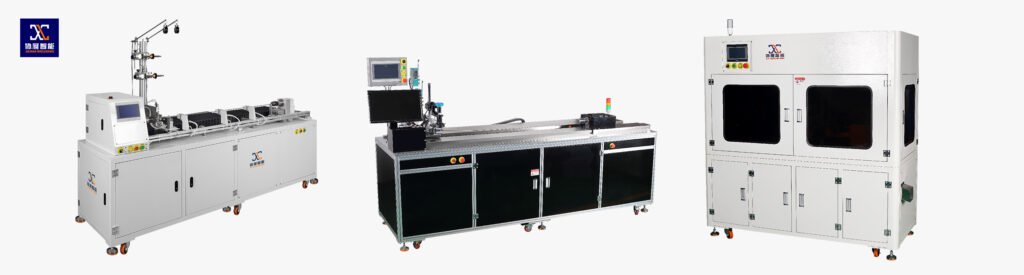
Why Modern Manufacturers Prioritize Low Scrap Rate Over Speed
In today’s industrial manufacturing, experienced buyers and production managers are increasingly focused on reducing scrap rates rather than simply maximizing speed. For equipment such as winding machines, coil formers, and heating element production lines, a slightly slower but stable machine often delivers more consistent output and lower overall cost than a faster machine prone to defects. This trend reflects growing pressure on manufacturers to optimize quality, reduce waste, and meet tighter environmental and client requirements.
While high-speed production can initially seem attractive, it often comes at the expense of coil uniformity, wire tension control, and long-term reliability. The market now shows a clear preference for machines that produce high-quality outputs consistently over the course of long shifts.
The Industry Trend Toward Quality over Speed
Global manufacturing data indicate a significant shift: over the past five years, factories producing heating elements, industrial coils, and resistance wire components report that 70% of long-term production gains come from reducing scrap rather than increasing nominal speed. This trend is especially pronounced in regions like Europe and North America, where environmental compliance and efficiency metrics are increasingly tied to waste reduction.
A survey by the International Electro-Heat Association also shows that production lines prioritizing low scrap rates achieved a 15–25% reduction in total operational costs due to less rework, lower material waste, and fewer quality-related delays.
How Low Scrap Rate Impacts Long-Term Production
While speed improves throughput in the short term, unstable machines producing defective coils, inconsistent pitch, or damaged wire directly affect product quality. Experienced manufacturers now focus on four primary production outcomes:
| Production Factor | High-Speed Focus | Low Scrap Rate Focus | Long-Term Result |
|---|---|---|---|
| Coil Quality | May vary under full-speed operation | Consistent pitch, diameter, and tension | Lower rework, stable product performance |
| Material Usage | Higher scrap and wasted wire | Optimized wire consumption | Reduced production cost |
| Maintenance Load | Frequent adjustments due to defects | Stable operation, minimal intervention | Lower downtime and labor cost |
| Long-Term Productivity | Inconsistent output, higher rework | Predictable output per shift | Higher net production efficiency |
Why Speed Alone is No Longer the Primary Metric
Historically, equipment selection often emphasized maximum RPM or production cycle time. While this approach increased short-term throughput, it frequently caused increased scrap and material waste. In modern manufacturing, operators and buyers prefer slightly lower production speeds that guarantee consistent coil tension, wire alignment, and winding quality.
How Experienced Buyers Evaluate Machines for Low Scrap
Procurement teams now assess machines through multiple practical indicators:
- Stable pitch control and wire tension over long shifts
- Frame rigidity and mechanical precision
- Programmable control systems for repeatability
- Component quality and brand reliability
Extended test runs and sample production analysis help buyers ensure the machine maintains performance over continuous operation. Equipment with these features is preferred despite higher upfront investment.
Factories comparing options can review equipment types in the winding machine section and assess technical specifications.
Future Trends in Industrial Equipment Selection
The industry trend favors machines that optimize quality, minimize scrap, and reduce material cost over sheer production speed. This aligns with broader trends in global manufacturing:
- Environmental regulations require reduced material waste
- Higher client expectations for consistent product quality
- Automation and digital control allow consistent production at moderate speeds
- Lifecycle cost is increasingly valued over initial purchase price
Manufacturers who adopt these principles tend to see improved net efficiency, lower operational costs, and better production predictability.
Balancing Speed and Scrap Rate in Procurement
While production speed remains important, experienced buyers understand that low scrap rate directly affects profitability. Machines capable of producing high-quality output at slightly lower speeds are often more cost-effective over their lifecycle.
Engineering reviews, extended testing, and reference projects from suppliers help buyers identify which machines provide optimal balance between speed and quality. Many reliable equipment examples and industry collaborations can be found on the client cooperation page.
Industry Statistics Supporting Low Scrap Prioritization
– A European study of industrial coil manufacturers showed that a 10% reduction in scrap rate led to a 12% reduction in overall production cost. – North American heating element factories reported that prioritizing low scrap rate over nominal machine speed reduced rework by 18% over 6 months.
FAQ: Common Questions on Scrap vs Speed
Does focusing on low scrap reduce total output?
Not necessarily. While nominal speed may be lower, stable production and minimal rework usually increase net output over the full shift.
How can machine design improve scrap rate?
Reliable machines feature stable frame design, precise guiding systems, accurate tension control, and programmable automation that maintains coil consistency.
Can machines be customized to reduce scrap for specific products?
Yes. Many winding machine manufacturers offer configuration adjustments for wire diameter, coil geometry, and automation level to optimize for low scrap production.
Conclusion: Preparing for the Future of Manufacturing
For modern factories producing heating elements, resistance coils, or industrial wire products, prioritizing low scrap rate over maximum speed aligns with future trends in quality, cost control, and sustainability. Experienced buyers recognize that slightly slower but consistent machines provide greater long-term value. Discussing production goals and technical requirements with experienced equipment engineers ensures machines meet these expectations. You can share production details through the contact us page for consultation and solutions.