
Differences in Standards Across Appliance Markets
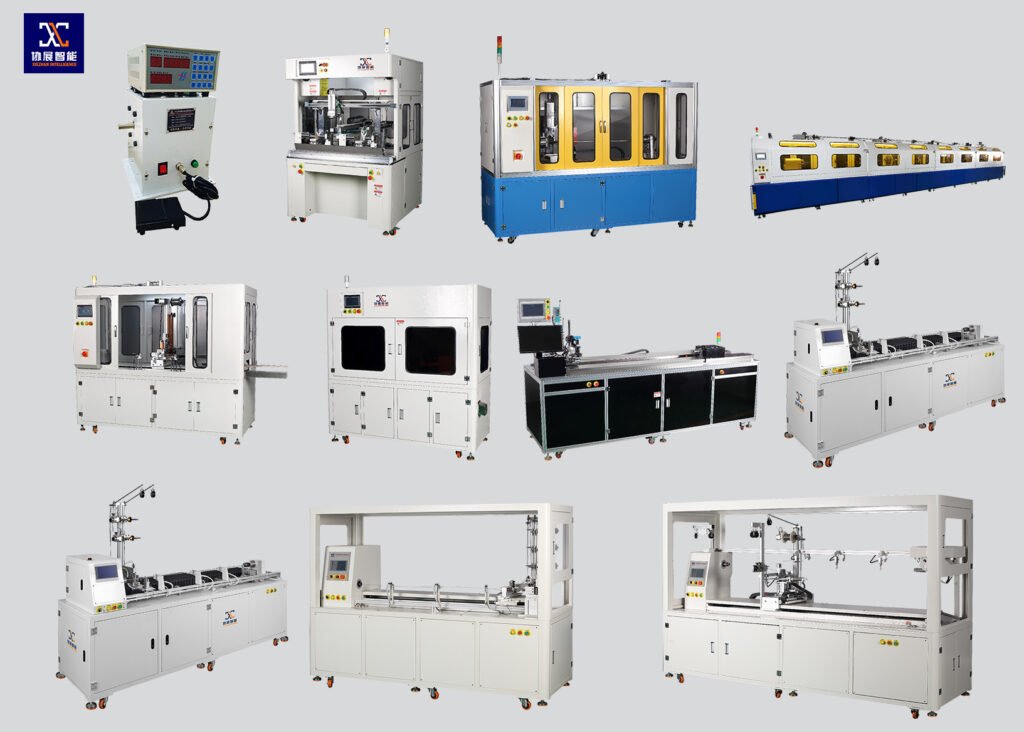
Why Market Standards Change Your Entire Production Strategy
If you’re supplying appliances to multiple regions, the biggest hidden challenge isn’t production capacity—it’s meeting different technical standards consistently. What passes in one market may fail in another, even with the same product design. From a procurement perspective, the key question becomes: is your production system flexible enough to handle these differences without increasing defect rates or cost?
What Are the Key Differences Across Appliance Markets?
Different regions apply different regulatory frameworks, testing conditions, and tolerance expectations. These differences directly affect how winding processes must be controlled.
| Market | Key Standard Focus | Tolerance Expectation | Impact on Winding |
|---|---|---|---|
| Europe (CE) | Safety + consistency | Very strict | Requires stable coil geometry |
| North America (UL) | Performance reliability | High | Focus on electrical consistency |
| Southeast Asia | Cost + basic compliance | Moderate | Flexible tolerance range |
| Middle East | Durability in harsh conditions | High | Requires stable material behavior |
According to IEC-related compliance data, over 65% of appliance export failures are linked to inconsistencies in meeting regional performance standards rather than design flaws.
—Why Do These Differences Matter for Winding Production?
On paper, standards look similar. In production, they create very different requirements.
Key Differences in Practice
- European buyers prioritize dimensional consistency across batches
- North American buyers focus on electrical stability under load
- Emerging markets often balance cost with acceptable variation
This means your winding process must adapt—not just your final inspection.
A study from the International Trade Centre shows that manufacturers adapting production processes to regional standards improve export acceptance rates by up to 25%.
—How Should You Adjust Your Equipment Strategy?
This is where experienced buyers take a different approach. Instead of one machine for all markets, they align equipment capability with target regions.
Single-Market Focus
Low Complexity
Optimized for one standard
Advantage: Lower cost
Limitation: Limited flexibility
Multi-Market Adaptation
Recommended
Adjustable parameters for different markets
Advantage: Broader export capability
Challenge: Requires better control systems
High-End Global Setup
Advanced
Fully adaptive production systems
Advantage: Maximum flexibility
Cost: Higher initial investment
If you’re evaluating machines for multi-market production: check winding machine solutions
—What Are the Risks of Ignoring Market Differences?
Inconsistent Product Performance
Products may pass internal testing but fail external certification.
Higher Rejection Rates
Even small tolerance deviations can lead to shipment rejection.
Increased Production Cost
Rework, testing, and delays increase overall cost per unit.
—How Experienced Manufacturers Handle This Challenge
From our experience as a winding machine factory, successful exporters don’t treat standards as constraints—they treat them as design inputs.
- Define production parameters per target market
- Use flexible machine settings
- Validate performance under real conditions
You can see how different clients approached multi-market production here: client cooperation examples
—Practical Procurement Advice
Why Buyers Choose Experienced Manufacturers
The difference is not in the machine itself—but in how well the supplier understands your target markets.
- Better alignment with international standards
- More accurate machine configuration
- Lower long-term production risk
If you want to understand how we support global manufacturing requirements: learn about our factory
—Final Thought: Standards Are Not Barriers—They’re Strategy Inputs
Different markets don’t just require different certifications—they require different production thinking. The manufacturers who succeed globally are those who build flexibility into their process from the start.
If you’re planning to expand into new markets or upgrade your production system: talk to our team