
Spare Parts Planning for Overseas Buyers
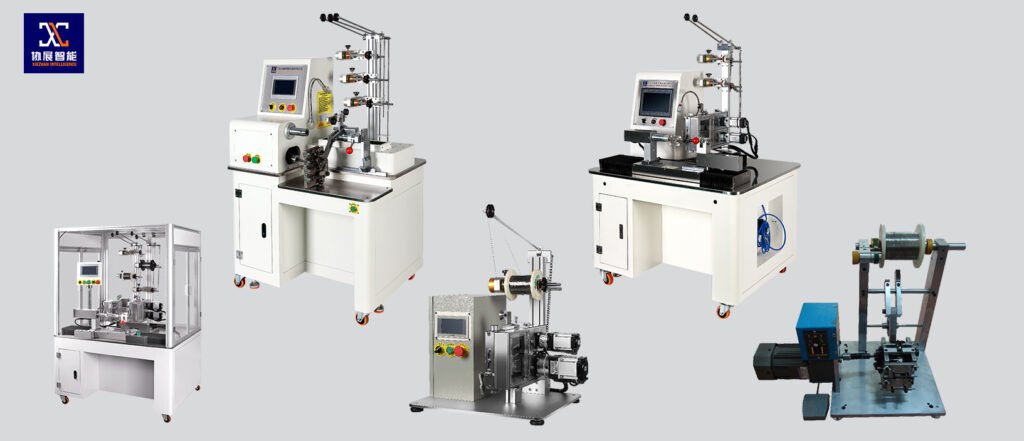
How Overseas Buyers Actually Plan Spare Parts for Industrial Equipment
If you’re sourcing a winding machine or a full heating element production setup from overseas, the real question isn’t just price or specs—it’s this: how long can your line run without interruption? Most downtime issues don’t come from major failures. They come from small parts that weren’t planned in advance. That’s where experienced buyers separate themselves from first-time importers.
In this article, I’ll walk you through how serious manufacturers approach spare parts planning—based on real procurement decisions, not theory. This applies whether you’re buying a resistance wire winding machine, a coil forming system, or a full heating element line.
Why Do Overseas Buyers Struggle with Spare Parts Planning?
Let’s be direct. The challenge isn’t a lack of budget—it’s a lack of visibility.
When sourcing equipment from another country, buyers face three common constraints:
- Long lead times for replacement components
- Unclear part lifecycle or wear rate
- Limited local technical support
According to a McKinsey industrial operations study, unplanned downtime can reduce manufacturing capacity by up to 20%. In heating element production, where coil consistency matters, even short interruptions affect product quality.
From what I’ve seen working with heater manufacturers across Europe and Southeast Asia, most spare parts issues come down to one thing:
Buyers underestimate how fast small components wear under continuous production.
What Parts Actually Fail First in Winding Machines?
Not all parts are equal. And not all need to be stocked the same way.
Here’s a simplified breakdown based on real machine usage:
| Component Type | Failure Frequency | Impact Level | Typical Lead Time | Stock Strategy |
|---|---|---|---|---|
| Guide wheels / rollers | High | Medium | 7–15 days | Keep local stock |
| Heating wire tension systems | Medium | High | 15–30 days | Dual backup required |
| PLC / control modules | Low | Critical | 20–45 days | 1 emergency unit |
| Motors / servo drives | Low | Critical | 30–60 days | Shared across lines |
| Custom forming tools | Medium | High | 20–40 days | Order in advance |
For example, in a spring coil winding machine, guide components wear much faster than motors. But when a servo fails, your entire line stops. That’s why experienced buyers don’t just look at frequency—they look at impact vs recovery time.
How Do Experienced Buyers Build a Spare Parts Plan?
Step 1: Classify Parts by Risk, Not Price
A common mistake is prioritizing expensive parts. In reality, low-cost components often cause the most disruption.
Buyers working with us at about us level discussions usually divide parts into:
- Consumables (high wear, low cost)
- Operational components (medium wear)
- Critical system parts (low failure, high impact)
Step 2: Align Spare Parts with Production Volume
A factory running 8 hours/day has a completely different wear profile than one running 24/7.
From field data shared by the Uptime Institute, continuous production environments see up to 2.5x faster component degradation.
That’s why a heating element winding machine used in mass production should always have:
- 2–3 months of consumables on-site
- At least 1 backup for critical components
Step 3: Standardize Across Machines
Smart buyers don’t just buy machines—they reduce complexity.
If you’re sourcing multiple machines, try to:
- Use the same control system (PLC brand)
- Standardize motor and drive models
- Align spare parts across product lines
This is one reason many clients in our client cooperation portfolio choose to source multiple units from the same manufacturer.
What Happens When Spare Parts Planning Is Ignored?
Let me give you a real scenario.
A Southeast Asian heater manufacturer purchased a resistance wire winding machine from a local reseller. The machine worked well—but after 6 months, a small tension control component failed.
Lead time for replacement: 28 days.
Production stopped for 19 days.
Estimated loss:
- $38,000 in delayed orders
- 2 key clients shifted to competitors
The part itself cost less than $200.
That’s the reality. Spare parts planning isn’t a technical detail—it’s a business continuity strategy.
How We Support Spare Parts Planning as a Manufacturer
As a winding machine manufacturer focused on heating element production equipment, we’ve adjusted how we support overseas buyers based on years of feedback.
Here’s what experienced buyers expect—and what we provide:
- Detailed spare parts list before shipment
- Recommended stock levels based on application
- Modular machine design for easier replacement
- Video-based troubleshooting support
If you’re evaluating machines in our winding machine category, you’ll notice we emphasize component accessibility and standardization.
This isn’t just engineering preference—it directly affects your operating risk.
How Should You Plan Spare Parts Before Ordering a Machine?
Here’s a practical checklist I recommend to buyers before confirming any order:
| Checklist Item | What to Ask | Why It Matters | Risk if Ignored | Best Practice |
|---|---|---|---|---|
| Spare parts list | Full BOM included? | Visibility | Unknown failures | Request before payment |
| Lead time | Delivery for key parts? | Downtime control | Long stoppages | Stock critical items |
| Standard components | Global brands used? | Local sourcing | Import dependency | Prefer Siemens, Mitsubishi |
| Training | Maintenance guidance? | Error reduction | Misuse | Request videos/manuals |
| After-sales | Response time? | Support speed | Extended downtime | Test response before deal |
Final Thought: Spare Parts Planning Is Part of Machine Selection
Many buyers focus heavily on machine specifications—speed, accuracy, automation level.
But in real production environments, stability matters more than peak performance.
A slightly slower machine with a well-planned spare parts system will outperform a high-speed machine that stops every few weeks.
If you’re currently evaluating a new coil winding machine or a complete heating element production line, it’s worth discussing spare parts planning early—not after installation.
If you need a detailed spare parts recommendation based on your application, you can reach out directly through our contact us page. We usually map this based on your production volume and product type.