
Nichrome Wire vs Resistance Wire Winding Machines
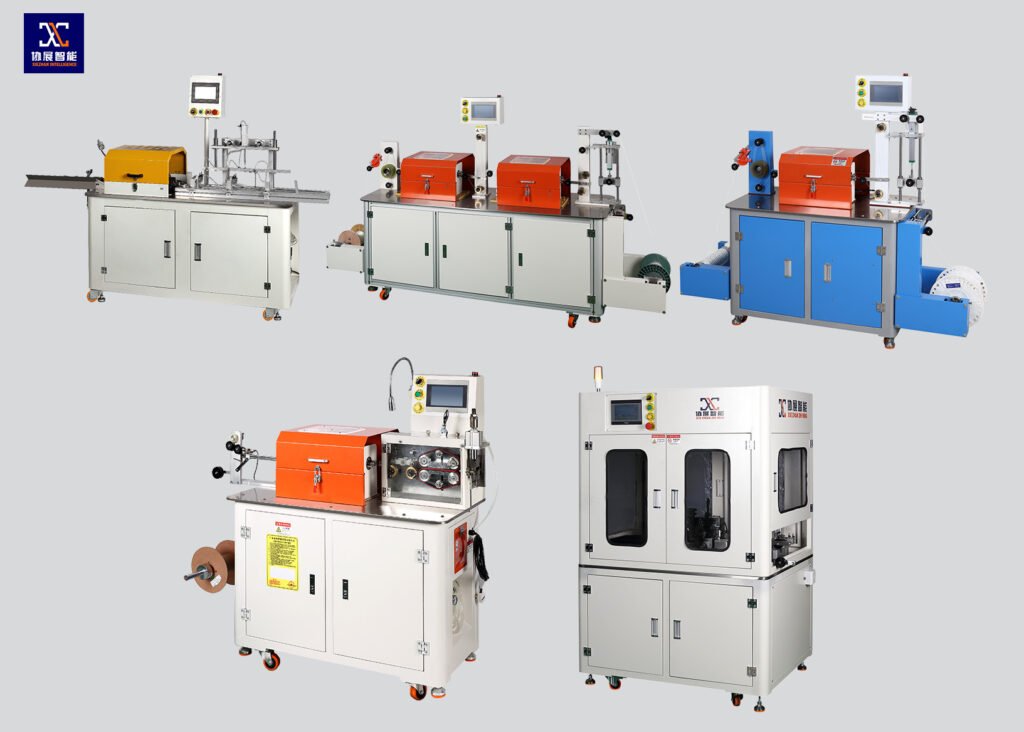
Choosing Between Nichrome and General Resistance Wire Winding Solutions
If you are selecting a winding machine, the real question is not “which machine is better,” but “which machine matches your wire and product requirements?” Many buyers assume nichrome wire can be processed using standard resistance wire winding machines. In practice, this assumption often leads to unstable coils, higher rejection rates, and inconsistent product performance.
If you’re comparing suppliers, this nichrome winding machine manufacturers guide provides a broader view of available options.
What is the real difference between nichrome and resistance wire winding?
On paper, nichrome is a type of resistance wire. But from a manufacturing perspective, it behaves very differently.
Material behavior differences
- Higher elasticity → stronger spring-back after winding
- Higher heat resistance → sensitive to friction heat
- Surface oxidation tendency → requires stable handling
These characteristics directly impact machine requirements.
How do winding machines differ in design?
| Feature | Standard Resistance Machine | Nichrome Winding Machine | Impact |
|---|---|---|---|
| Tension Control | Basic / mechanical | Servo closed-loop | Stability of coils |
| Pitch Accuracy | ±5–10% | ±2–3% | Heating consistency |
| Material Adaptation | Limited | Multi-type support | Product flexibility |
| Automation | Semi-auto | Full / CNC | Efficiency |
According to manufacturing data, switching from basic winding machines to precision-controlled systems can reduce defect rates by up to 25–35% in heating element production.
Why do many factories still use standard machines?
Despite the advantages, many manufacturers continue using general-purpose equipment.
Main reasons
- Lower upfront cost
- Familiar operation
- Existing production setup
However, these benefits often hide long-term inefficiencies.
What happens when you choose the wrong machine?
Higher rejection rates and rework increase actual cost per unit.
Unstable coils lead to performance variation and customer complaints.
Industry reports indicate that inconsistent coil geometry can reduce heating element lifespan by more than 20%.
How to decide which machine is right for your production?
Choose nichrome-specific machines if:
- Your product requires tight resistance tolerance
- You produce high-temperature heating elements
- Consistency across batches is critical
Standard machines may be sufficient if:
- Product tolerance is loose
- Production scale is small
- Manual adjustment is acceptable
Why experienced buyers move toward specialized solutions
At Xiezhan, we see a clear trend: manufacturers upgrading from general-purpose machines to dedicated nichrome winding systems.
This shift is driven by the need for:
- Stable production output
- Reduced labor dependency
- Higher product consistency
You can review real implementation cases here: client cooperation examples
Learn more about our manufacturing background here: about our factory
Final thought: the right machine depends on your product, not the label
Nichrome wire is technically a resistance wire—but in production, it behaves differently enough to require specialized handling.
If your goal is consistent output and predictable performance, the choice of winding machine becomes a strategic decision.
Contact our team to discuss which solution fits your production needs.