
Corrugated Wire Winding Machine for Heating Elements
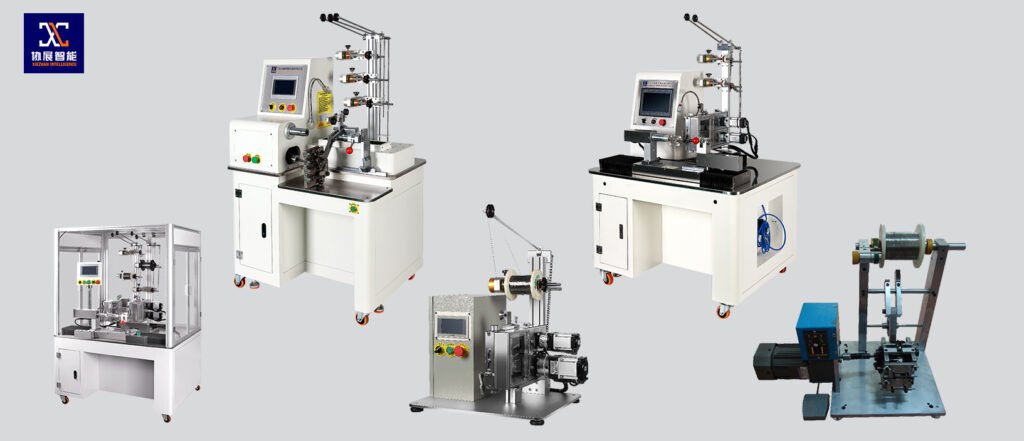
For manufacturers producing heating elements at scale, one question often appears during equipment selection: what machine is required to produce stable corrugated heating wire structures? Corrugated or ripple heating wires are widely used in industrial heaters, ovens, and high-power appliances because their structure improves heat distribution and mechanical strength. However, producing these wire patterns consistently requires specialized winding equipment designed specifically for resistance wire processing.
In many heater factories, production managers quickly realize that standard coil winding equipment cannot reliably create corrugated patterns. This is where a dedicated corrugated heating wire winding machine becomes essential. Understanding how these machines work—and what makes a good one—helps buyers avoid costly mistakes when expanding production capacity.
What Is Corrugated Heating Wire?
Corrugated heating wire refers to resistance wire that has been formed into a repeated ripple or wave pattern instead of a traditional spring coil. This geometry increases surface area while also allowing the heating element to maintain structural stability during thermal expansion.
In different regions, manufacturers may refer to this structure using different terms:
- Corrugated heating wire
- Ripple heating wire
- Wave resistance wire
- V-shape heating wire
Although the names vary, the manufacturing challenge remains the same: forming consistent wave patterns in high-temperature resistance alloys such as Nichrome or FeCrAl.
Why Corrugated Wire Is Used in Heating Elements
Corrugated heating wire offers several advantages compared with traditional spiral coils:
| Feature | Benefit |
|---|---|
| Larger heat surface | Improves heat transfer efficiency |
| Wave structure | Better mechanical stability |
| Uniform spacing | Consistent heating performance |
Because of these advantages, corrugated heating wires are widely used in electric heaters, ovens, drying equipment, and many industrial heating systems.
How Corrugated Heating Wire Is Manufactured
Unlike standard coil production, corrugated wire manufacturing requires precise forming control. The process typically includes several steps:
- Resistance wire feeding
- Wire straightening and tension control
- Ripple or wave forming
- Pitch stabilization
- Cutting and transfer to assembly
The forming stage is the most critical part. If the wave spacing varies even slightly, the heating performance of the final product may become inconsistent.
This is why many heater manufacturers rely on dedicated equipment such as a corrugated wire winding machine instead of modifying standard coil winding equipment.
What Does a Corrugated Wire Winding Machine Do?
A corrugated wire winding machine is designed to produce continuous ripple structures on resistance wire with controlled pitch and amplitude. The machine combines mechanical forming systems with precise feeding mechanisms to maintain stable wire geometry.
Typical machine components include:
- Wire feeding system
- Ripple forming rollers
- Tension control system
- Precision drive unit
- Cutting mechanism
In heating element production lines, this equipment usually serves as the first key forming stage before assembly or insulation processes.
Manufacturers exploring different winding technologies often compare these machines with other equipment listed under the broader winding machine category, where different coil structures are produced for various heating applications.
Common Problems in Corrugated Wire Production
Factories that attempt to produce ripple wire without specialized equipment often encounter several recurring issues.
1. Uneven Wave Patterns
If the forming rollers are not precisely aligned, the wave height may vary along the wire length. This affects heater resistance and heat distribution.
2. Wire Breakage
Resistance wire alloys are relatively brittle when cold worked. Improper tension control during forming can lead to frequent wire breakage, interrupting production.
3. Inconsistent Pitch
Without stable motion control, the distance between waves may drift during continuous production, making it difficult to maintain product specifications.
These issues highlight why specialized equipment is essential for manufacturers producing high volumes of corrugated heating wire.
What Makes a Good Corrugated Wire Winding Machine?
From a production engineer’s perspective, several characteristics define reliable equipment in this category.
Stable Mechanical Structure
Industrial-grade equipment must maintain stability during continuous operation. A rigid machine frame helps prevent vibration that could affect ripple precision.
Accurate Forming System
Precision forming rollers ensure the ripple geometry remains consistent across large production batches.
Flexible Wire Compatibility
Heating element manufacturers often process different wire diameters. Machines must accommodate a range of resistance wire materials and sizes.
Manufacturers with deep experience in heating element equipment—such as Guangdong Xiezhan Intelligent Technology Co., Ltd.—typically design machines with these production realities in mind. More details about the company background can be found on the about us page.
Applications of Corrugated Heating Wire
Corrugated heating wire structures appear in many heating devices across both consumer appliances and industrial equipment.
- Electric space heaters
- Industrial drying equipment
- Electric ovens
- Industrial furnace heating elements
In many of these applications, ripple structures provide improved mechanical durability when exposed to repeated heating cycles.
How Experienced Buyers Evaluate Equipment Suppliers
When purchasing equipment for heating element production, experienced buyers rarely rely on specifications alone. They also consider factors such as manufacturing experience, engineering support, and previous cooperation with heater manufacturers.
Reviewing past industrial projects often provides valuable insight into a supplier’s capabilities. Examples of real-world installations can be seen on the client cooperation page.
Such references help buyers understand how machines perform in actual factory environments.
FAQ: Questions Buyers Often Ask
Can the machine handle different resistance wire materials?
Yes. Industrial machines are typically designed to process common heating wire alloys such as Nichrome and FeCrAl, though configuration may vary depending on wire diameter and application.
Is customization available for different heater designs?
Most manufacturers provide customization options for forming tools and feeding systems to match specific heating element structures.
How long does machine delivery usually take?
Delivery time depends on machine configuration and customization requirements. Standard equipment models typically require less preparation time than highly specialized production systems.
Final Thoughts
Corrugated heating wire plays an important role in many modern heating applications. Producing these structures consistently requires equipment designed specifically for resistance wire forming rather than general-purpose coil winding machines.
For manufacturers planning to expand heater production capacity or improve product consistency, evaluating the right winding equipment is a critical step. If you would like to discuss production requirements or machine configurations, you can reach the engineering team through the contact page.