
How Small Fixture Changes Improve Yield
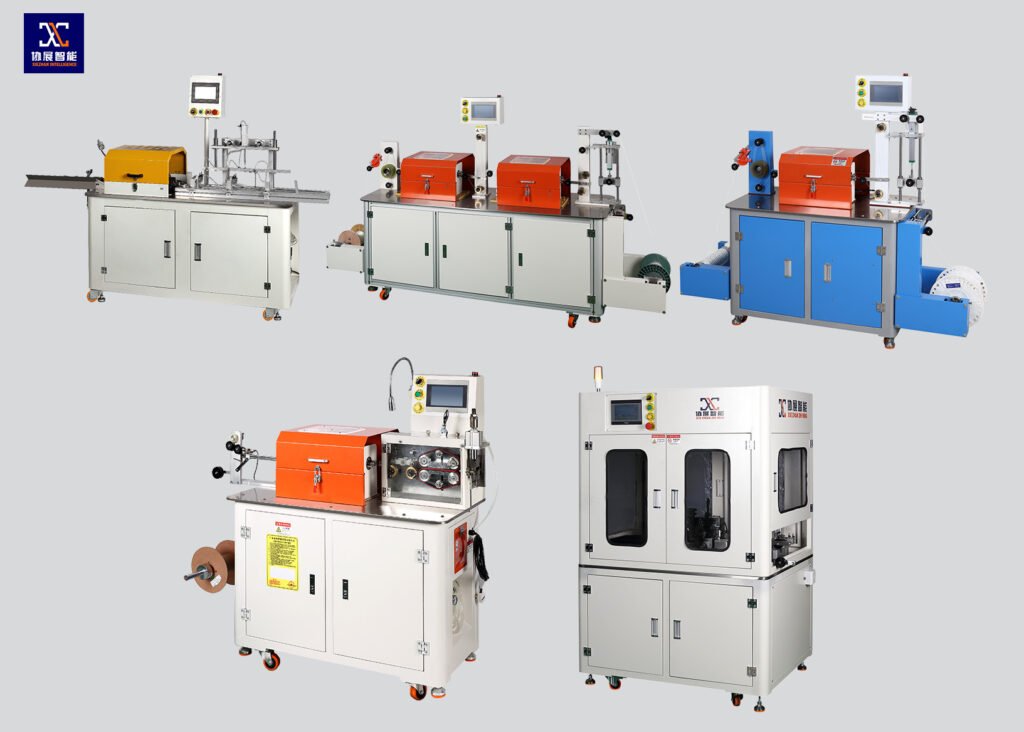
Why Minor Fixture Adjustments Deliver Major Production Gains
If your production line is already running but yield is unstable, should you upgrade the entire machine—or start with small fixture changes? In most real factory scenarios, the answer is clear: fixture optimization often delivers faster and more cost-effective improvements. Many yield issues are not caused by machine limitations, but by how the product is positioned, guided, and supported during the winding process.
What Problem Are You Really Facing: Machine or Fixture?
When yield drops or defect rates rise, the first reaction is often to question machine performance. But in practice, fixtures play a much bigger role than most buyers expect.
Common Symptoms Mistaken as Machine Issues
- Irregular coil spacing during high-speed winding
- Wire deformation at entry points
- Inconsistent product shape after forming
- High variation between batches
A study published in the Journal of Manufacturing Systems indicates that fixture-related factors contribute to over 40% of variation in precision manufacturing processes, especially in coil-based production.
—Why Small Fixture Changes Have Such a Big Impact
Fixtures directly control how material behaves during the process. Even small misalignments or design limitations can amplify defects across the entire batch.
Key Influence Areas
- Wire feeding stability
- Tension consistency
- Positioning accuracy
- Repeatability between cycles
In a winding machine, fixtures act as the bridge between machine precision and actual product quality. If this bridge is unstable, even the best machine cannot deliver consistent output.
—Typical Fixture Issues and Their Production Impact
| Fixture Issue | Observed Problem | Impact on Yield | Improvement Potential |
|---|---|---|---|
| Poor wire guidance | Coil misalignment | High defect rate | High |
| Unstable clamping | Shape variation | Inconsistent output | High |
| Incorrect positioning | Tolerance deviation | Rework required | Medium |
| Wear and tear | Gradual quality decline | Hidden losses | Medium |
Why Many Buyers Overlook Fixture Optimization
Fixtures are often seen as secondary components, especially compared to the machine itself. But this mindset leads to missed opportunities.
Typical Misconceptions
- “The machine determines everything”
- “Fixtures are simple and don’t need redesign”
- “Upgrading equipment will solve all problems”
From our experience as a winding machine factory, these assumptions often result in unnecessary investment while the real issue remains unresolved.
—Insight
In many production lines, improving fixture design delivers faster ROI than upgrading the entire machine.
How to Identify Fixture Improvement Opportunities
Instead of guessing, experienced engineers follow a structured evaluation process.
Evaluation Steps
- Analyze defect patterns across batches
- Observe material behavior during operation
- Check alignment and wear of fixtures
- Test small adjustments before full redesign
Practical Tip
Start with one critical fixture point—small targeted changes often reveal the biggest improvements.
Where Fixture Optimization Fits in Equipment Strategy
Fixture design should not be separated from machine selection. They must work together as a system.
If you’re evaluating equipment upgrades: compare top winding machine manufacturers
—Real Production Approach from Experienced Manufacturers
Leading manufacturers treat fixtures as part of the core process—not as accessories.
- Custom fixture design for each product type
- Regular inspection and replacement cycles
- Integration with machine control systems
You can see how different production lines were improved: client cooperation cases
—Procurement Advice for Better Yield Stability
Why Experienced Buyers Work with Specialized Manufacturers
The difference lies in understanding how small details affect long-term output.
- Better fixture-machine integration
- Higher production consistency
- Reduced long-term operating cost
If you want to understand how we approach fixture and machine integration: learn about our factory
—Final Thought: Yield Improvement Starts with Control Points
In winding production, yield is not only determined by machine capability. It depends on how well every control point—especially fixtures—is designed and maintained.
If you’re looking to improve production stability without major investment: contact our team