
What Makes a Quotation Reasonable or Suspicious
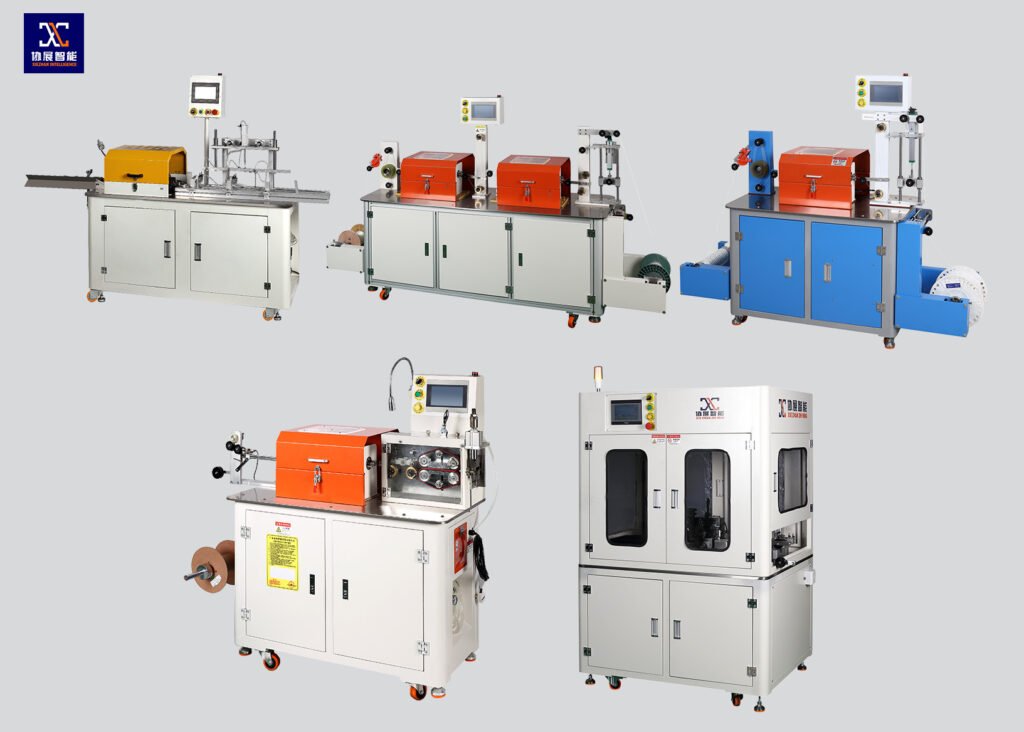
Understanding Pricing Signals in Industrial Equipment Offers
When manufacturers request quotations for industrial equipment, one question often arises immediately: how can you tell whether a quotation is reasonable or suspicious? In practice, experienced procurement teams rarely judge a quote by price alone. They look at engineering details, supplier background, configuration transparency, and production support. A quotation that seems unusually cheap may hide missing components or unrealistic delivery promises, while an expensive one may include engineering services or automation capabilities that significantly improve production efficiency.
For equipment such as a winding machine, coil forming system, or resistance wire winding equipment, quotation differences between suppliers can sometimes exceed 30–40%. Understanding why those differences exist helps buyers avoid both overpriced systems and unreliable suppliers.
Why Do Equipment Quotations Vary So Much?
Price variation is normal in industrial machinery. Different manufacturers design machines with different component grades, automation levels, and engineering support. However, large gaps in pricing often indicate deeper differences in the equipment itself.
According to industry data published by the International Federation of Robotics, automation level alone can increase equipment pricing by 20–35%, but it can also improve production efficiency by over 40% in automated manufacturing environments.
For winding equipment used in heating element production or cable manufacturing, pricing differences typically reflect several factors:
- Mechanical precision and machining quality
- Automation features such as programmable control
- Component brands and durability
- Engineering customization for specific coil designs
- Technical support and training services
A quotation that appears inexpensive may simply omit some of these elements.
What Makes a Quotation Reasonable?
A reasonable quotation normally includes detailed technical information and transparent configuration descriptions. Experienced equipment buyers pay close attention to how clearly the supplier explains what is included in the machine.
Clear Technical Specifications
A professional quotation for a winding machine should include information such as wire diameter range, coil diameter limits, production speed, control system type, and tooling configuration. When specifications are clearly defined, buyers can compare suppliers more accurately.
Component Transparency
Reliable suppliers typically list major components in their quotation, including motors, PLC controllers, tension systems, and guiding mechanisms. Transparency indicates that the manufacturer is confident about the machine design.
Realistic Production Capacity
Experienced engineers understand that production speed always depends on wire material and coil geometry. A quotation that promises extremely high speed without explaining technical limitations should be examined carefully.
When Should Buyers Be Cautious?
Certain signals in a quotation often indicate potential risks. These signs do not automatically mean the supplier is unreliable, but they should encourage buyers to investigate further.
| Quotation Signal | Possible Concern |
|---|---|
| Price significantly below market level | Missing features or lower grade components |
| Very short delivery time | Machine may not be customized for real requirements |
| Limited technical description | Supplier may lack engineering depth |
| No mention of after-sales support | Future maintenance risks |
Industry procurement studies show that nearly 60% of equipment purchasing issues arise not from machine failure, but from unclear technical expectations between supplier and buyer.
How Experienced Buyers Evaluate Equipment Quotations
Senior procurement managers rarely rely on a single quotation. Instead, they compare multiple suppliers while focusing on technical compatibility with their production process.
For example, when evaluating equipment such as a coil winding machine or heating element winding system, buyers often analyze three aspects simultaneously.
- Machine capability compared with product design
- Supplier engineering experience in the same industry
- Total operational cost over the machine lifetime
Many manufacturers also examine supplier case studies or previous cooperation projects. Examples of long-term industry partnerships can be found on the client cooperation page.
Comparing Market Approaches: Low Cost vs Engineering Value
In the global machinery market, suppliers generally follow one of two approaches.
Low Cost Equipment Strategy
Some manufacturers focus primarily on price competitiveness. These machines may be suitable for simple applications, but they sometimes require frequent manual adjustments during production.
Engineering-Oriented Equipment Design
Other equipment manufacturers emphasize engineering optimization and production stability. Machines in this category often cost more initially but provide higher consistency and lower operational risk.
For companies producing heating elements, cable assemblies, or industrial coils, consistent quality often matters more than minimal equipment cost.
Industry Terminology Differences
Interestingly, terminology for winding equipment can vary between regions. European manufacturers often refer to the equipment as “coil forming systems,” while many Asian suppliers use the term “wire winding machine.” In North America, both terms may appear depending on the specific application.
Regardless of terminology, the evaluation process for quotations remains similar: technical compatibility, supplier experience, and production reliability.
Buyers exploring available equipment configurations can review machine categories in the winding machine section.
Why Experienced Manufacturers Look Beyond Price
Equipment purchasing decisions often influence production performance for many years. A machine that initially appears inexpensive may require frequent maintenance or fail to meet future production needs.
Many established equipment factories invest heavily in design engineering and production testing. These investments may increase quotation prices but also reduce long-term operational risk. Information about engineering background and manufacturing capability can often be found on the about us page of reputable suppliers.
FAQ: Questions Buyers Often Ask
Do winding machines require international certifications?
Most industrial equipment manufacturers provide documentation such as CE certification depending on the destination market. Buyers should confirm certification requirements before placing orders.
Can machines be customized for specific coil designs?
Yes. Many winding machine manufacturers offer customization for wire diameter range, coil diameter, and automation level to match specific production requirements.
How long is the typical delivery time?
Delivery time depends on configuration complexity. Standard machines may be ready within several weeks, while customized equipment typically requires additional engineering and testing.
Discussing Your Equipment Requirements
Every manufacturing project has unique production conditions. Evaluating equipment quotations carefully helps ensure that machines meet real operational requirements rather than simply appearing attractive on paper.
If your team is currently comparing winding equipment suppliers or planning a new production line, discussing technical requirements with experienced engineers can help clarify which quotation truly reflects long-term value. You can share your production details through the contact us page to explore suitable solutions.