
CNC Wire Winding vs Traditional Winding Machines
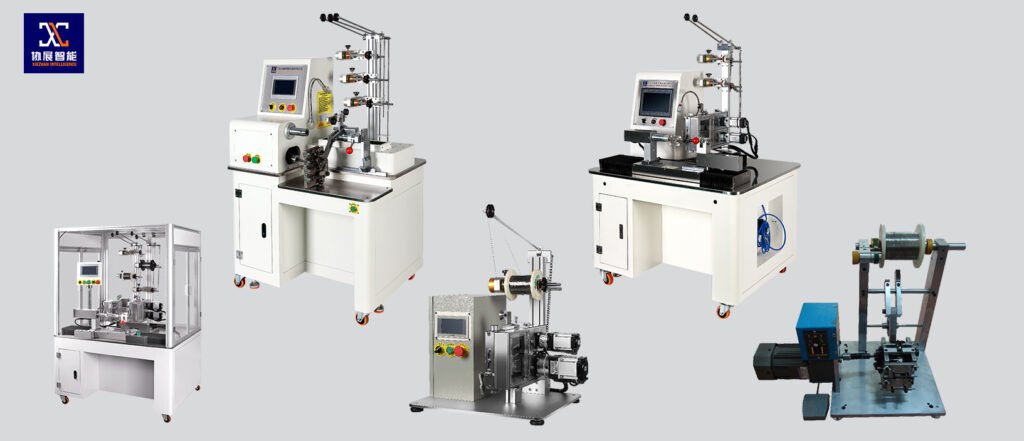
Which Winding Method Fits Modern Coil Production Better?
If you are deciding between CNC wire winding and traditional winding machines, the real issue is not old versus new. It is whether your current production method can meet today’s delivery pressure, tolerance demands, and labor reality. In many factories, traditional machines still run profitably for simple products. But once orders require repeatability, frequent model changes, or tighter quality control, CNC systems usually become the more practical choice.
If you are comparing suppliers first, review this Top CNC Wire Winding Machine Manufacturers guide.
What is the core difference between CNC and traditional winding?
Traditional winding machines rely heavily on operator setup, manual feed adjustment, mechanical stops, and experience. CNC wire winding machines use programmable motion control, servo coordination, stored recipes, and repeatable positioning.
That difference sounds technical, but on the factory floor it changes cost structure.
- Traditional systems depend more on skilled labor
- CNC systems depend more on programmed repeatability
- Traditional systems suit basic stable products
- CNC systems suit mixed orders and tighter tolerances
Performance comparison in real production
| Factor | Traditional Machine | CNC Machine | Factory Impact |
|---|---|---|---|
| Setup Time | Longer | Shorter with saved programs | Higher uptime |
| Repeatability | Operator dependent | Stable batch to batch | Fewer rejects |
| Complex Shapes | Limited | Strong capability | More product options |
| Labor Need | Higher | Lower | Lower operating cost |
Industry surveys in light manufacturing frequently show automated winding lines can reduce changeover loss by 20% or more where multiple SKUs run weekly.
Why do some factories still keep traditional machines?
Because in the right situation, they still make sense.
Traditional machines remain practical when:
- One product runs for long periods
- Tolerance requirements are moderate
- Labor cost is manageable
- Budget is highly constrained
- Operators are experienced and stable
For simple spring coils or low-mix commodity parts, many plants continue to earn good margins using well-maintained conventional equipment.
When does CNC become the better investment?
CNC becomes valuable when production complexity increases.
Typical trigger points:
- Frequent model changes
- Customer audits require consistency records
- Skilled operators are hard to hire
- Fine wire or precision coil geometry is required
- Reject cost is rising faster than labor savings
Many exporters move to CNC after customer complaints about dimensional drift rather than after labor shortages.
Cost comparison buyers often overlook
| Cost Item | Traditional | CNC | Long-Term View |
|---|---|---|---|
| Initial Purchase | Lower | Higher | One-time cost |
| Labor | Higher | Lower | Recurring cost |
| Scrap/Rework | Higher risk | Lower risk | Hidden margin loss |
| Changeover | Slow | Fast | More production time |
Several contract manufacturers report that scrap, downtime, and re-setup cost often exceed the original machine price gap within two to three years.
Two common buying mistakes
Maximum RPM matters less than stable output over an eight-hour shift.
A cheap machine for one part number can become expensive when customer demand changes.
Why buyers choose an experienced manufacturer
At Xiezhan, many customers first ask for machine price. After discussion, they usually care more about consistency, training time, spare parts support, and whether the machine fits their next product launch.
As a focused winding machine manufacturer and factory supplier, we help clients compare not only models, but production outcomes.
See production references here: client cooperation
Learn more about our background here: about us
Final judgment: which one should you choose?
Choose traditional winding machines if your product line is simple, volumes are steady, and operators are reliable. Choose CNC wire winding machines if you need repeatability, flexibility, lower labor exposure, and cleaner scale-up potential.
The right decision is rarely about machine age. It is about whether your current process can support tomorrow’s orders.
Contact our team if you want a practical recommendation based on your wire type, coil design, and target output.