
Complete Winding Machine Specification Guide for Heating Element Production
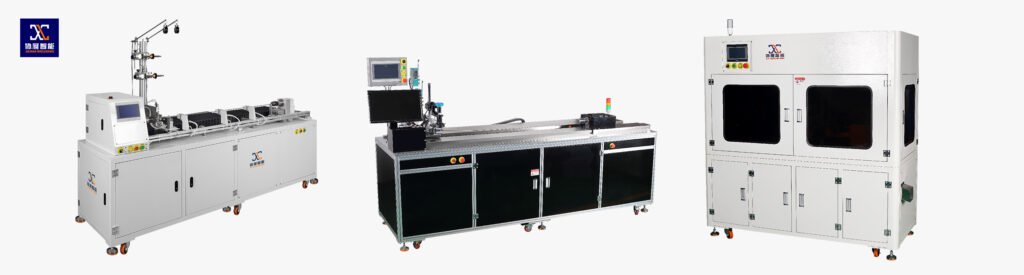
Before purchasing a winding machine for heating element production, serious buyers ask one key question: what exact parameters must be defined to avoid wrong configuration? The answer is straightforward — if raw material data, coil geometry, winding technology, automation level, and factory utilities are not clearly specified, the machine will either be oversized, unstable, or underperforming. This guide outlines the full specification logic used by experienced procurement managers and engineering teams worldwide.
1. Raw Material Parameters: The Foundation of Machine Design
Every winding machine configuration starts from the wire itself. Ignoring material data is the most common reason for tension instability and premature wear.
Wire Diameter Range
Always define minimum and maximum diameter (for example: 0.05mm – 1.20mm). Fine wire requires ultra-sensitive tension control; thicker wire demands higher torque capacity and stronger structural rigidity.
Material Type
NiCr, FeCrAl, or other resistance alloys have different elasticity and hardness. FeCrAl wire, for example, increases guide wear and cutting blade stress.
Spool Size and Weight
DIN200 vs larger industrial spools directly affect payoff rack design. A 5kg spool behaves very differently from a 15kg spool in terms of inertia.
| Parameter | Machine Impact | Risk If Ignored |
|---|---|---|
| Wire Diameter | Tension system range | Breakage or loose winding |
| Material Hardness | Guide & blade wear | Surface scratching |
| Spool Weight | Payoff stability | Inconsistent feed |
2. Finished Coil Geometry: Structure and Motion Logic
Mandrel (Winding ID)
Mandrel diameter defines spindle load and spring-back control. Smaller diameters increase mechanical stress.
Coil OD and Pitch
Uniform pitch coils are easier to produce. Variable pitch requires synchronized servo control.
Maximum Winding Length
500mm and 2000mm machines differ significantly in bed rigidity and axis synchronization accuracy.
3. Winding Technology Requirements
Tight vs Equal vs Variable Pitch
- Tight winding – no spacing
- Equal pitch – constant gap
- Variable pitch – power distribution control
Length Cutting vs Ohm-Based Cutting
Advanced production increasingly requires resistance-based cutting to ensure electrical accuracy.
4. Control System and Drive Configuration
Servo Motor vs Stepper Motor
Precision winding depends heavily on servo synchronization. Stepper systems are cheaper but less stable over long cycles.
PLC Brand and Stability
Established PLC brands ensure lower downtime and easier maintenance worldwide.
Software Features
- Memory recipes (100+ sets recommended)
- Power failure recovery
- Multi-language interface
5. Automation Level Selection
Single vs Multi-Spindle
Multi-spindle systems improve productivity but increase maintenance complexity.
Auxiliary Functions
- Auto cutting
- Auto discharging
- Spot welding integration
6. Wear Parts and Maintenance Considerations
Wire Guides
Hard resistance wire accelerates wear. Confirm spare quantity and service life.
Cutting Blades
Tungsten steel blades typically offer longer durability.
Mandrels
Ask whether interchangeable mandrels are included and how easily they can be replaced.
7. Factory Utility Requirements
- Voltage (110V / 220V / 380V)
- Compressed air 0.5–0.7MPa
- Floor space allocation
Why Experienced Buyers Prefer Structured Specification Discussions
Mature manufacturers understand that winding machine procurement is not a catalog purchase. It is a specification-driven engineering process.
At Xiezhan, as a specialized winding machine manufacturer and factory, we follow a structured client cooperation workflow before final configuration.
You can explore our engineering background on our About Us page and review our full winding machine range.
Final Recommendation
Define raw material parameters first. Confirm geometry second. Clarify winding technology third. Select control system fourth. Decide automation level last.
If you are currently evaluating equipment investment, our engineering team is available for technical discussion via our contact us page.