
How Raw Material Parameters Affect Winding Machine Design
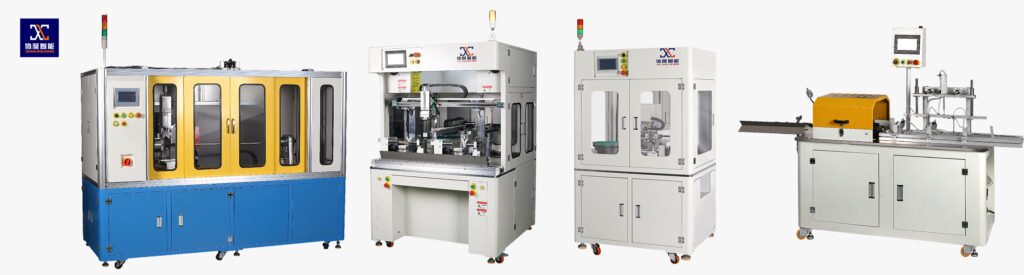
When selecting a winding machine for heating element production, the most common mistake buyers make is focusing on finished coil dimensions before defining raw material parameters. In reality, the wire itself determines tension system design, payoff structure, guide wear rate, and even servo load calculation. If raw material data is incomplete, machine configuration becomes guesswork. This article explains how experienced engineering teams evaluate raw material specifications before confirming equipment investment.
Why Raw Material Comes Before Machine Structure
In practical production, instability almost always originates from mismatched tension control. And tension control begins with wire characteristics.
Mechanical Behavior Drives System Design
Different resistance alloys respond differently under load. Elastic recovery, hardness, and surface condition influence winding accuracy more than many buyers expect.
Procurement Risk Often Starts Here
Machines configured without precise diameter range or spool data may operate well during testing but show inconsistency after continuous production.
1. Wire Diameter Range: Defining the Tension Window
Always provide minimum and maximum diameter. For example: 0.05mm – 1.20mm.
Fine Wire (Below 0.10mm)
- Requires ultra-sensitive electronic tension control
- Higher breakage risk
- Low inertia feed system required
Medium to Thick Wire (0.5mm – 1.2mm)
- Higher spindle torque needed
- Stronger machine frame recommended
- Increased guide wear
| Diameter Range | Machine Requirement | Main Risk |
|---|---|---|
| 0.05–0.10mm | Precision tension sensor | Wire breakage |
| 0.3–0.6mm | Balanced torque system | Pitch instability |
| 0.8–1.2mm | High rigidity spindle | Surface scratching |
2. Material Type: NiCr vs FeCrAl
NiCr Wire
Nickel-chromium wire is generally more stable in elasticity and easier to control under moderate tension.
FeCrAl Wire
Iron-chromium-aluminum alloys are harder and increase friction at the guide and cutting point. This directly affects spare part consumption.
From field observation, FeCrAl production typically increases guide replacement frequency by 20–30% compared to NiCr under similar output conditions.
3. Spool Size and Payoff Stability
Many procurement discussions ignore spool inertia. This is a critical oversight.
Spool Diameter and Weight
DIN200, DIN250 or customized industrial spools create different rotational inertia loads.
- 5kg spool: lower inertia, easier tension stabilization
- 15kg spool: higher inertia, requires stronger braking system
Why Inertia Matters
Inconsistent deceleration of heavy spools can cause micro-tension fluctuation, affecting coil spacing.
4. Wear Components Influenced by Raw Material
Wire Guides
Hard alloys accelerate guide wear. Scratched wire surfaces often trace back to worn guides.
Cutting Blades
Material hardness affects blade selection. Tungsten carbide is often recommended for durability.
Mandrels
Harder materials increase contact stress on mandrels, requiring stronger surface treatment.
Future Trend: Raw Material Variability Is Increasing
Global sourcing means more variability in alloy composition and surface finish. Machines must adapt to this variability rather than assume uniform input.
Experienced manufacturers now design tension systems with wider adjustment windows to accommodate supplier variation.
Structured Specification Reduces Procurement Risk
Before confirming equipment, we recommend reviewing your complete specification checklist outlined in our Complete Winding Machine Specification Guide.
At Xiezhan, as a dedicated winding machine manufacturer and factory, raw material evaluation is always the first step before structural design is finalized.
Final Advice for Engineering Teams
Define diameter range clearly. Confirm alloy type precisely. Provide exact spool dimensions. Clarify expected annual output.
When these four parameters are accurate, the winding machine configuration becomes predictable, stable, and scalable.