
Nichrome Coil Manufacturing Process and Equipment
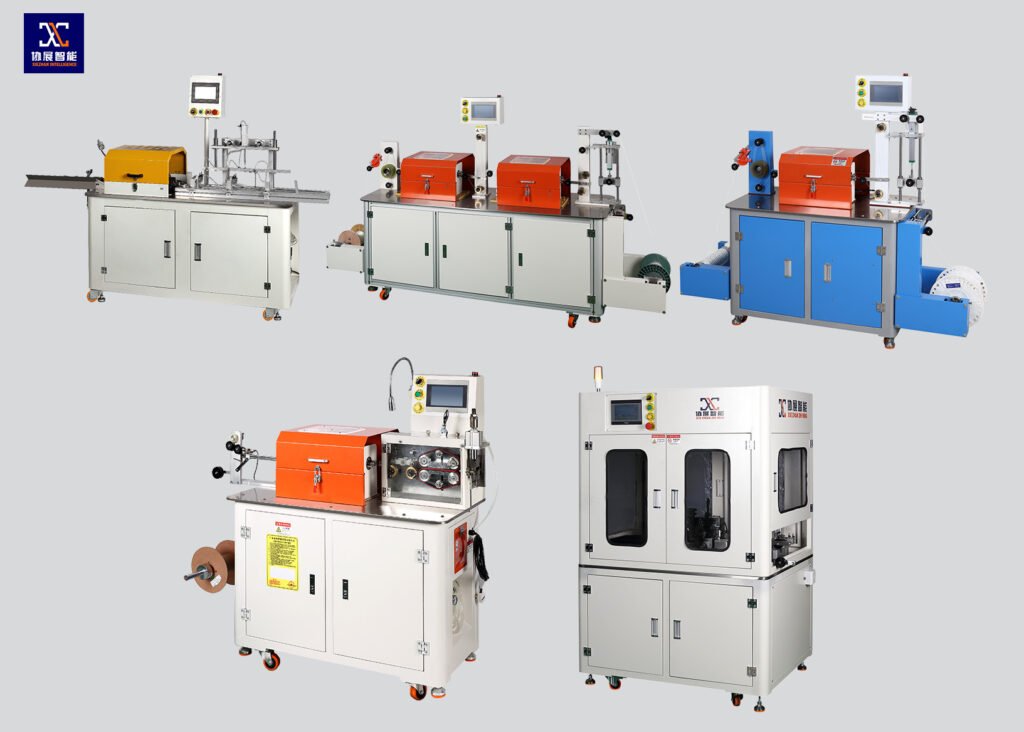
How Real Nichrome Coil Production Lines Are Built for Stability
If you are planning to produce nichrome heating elements, the real question is simple: how do you ensure stable coil quality at scale? In real production environments, most failures are not caused by material quality—they come from mismatched equipment and uncontrolled winding processes.
If you’re still evaluating suppliers, this nichrome winding machine manufacturers overview gives a clearer picture of available solutions.
What does a complete nichrome coil manufacturing process include?
A stable production setup is built as a system, not a single machine:
- Wire preparation
- Precision winding
- Support material integration
- Assembly
- Testing
Industry data shows over 60% of heating element defects originate from instability during winding.
Step-by-step: where production performance is determined
Wire preparation
Ensures consistent input material and prevents deformation.
Winding stage
Core variables:
- Tension stability
- Pitch control
- Diameter consistency
Improved winding control can reduce rejection rates by up to 30%.
Machine series used in real nichrome coil production
Instead of selecting random models, experienced buyers choose based on machine series matched to application.
| Series | Wire Type | Typical Application | Advantage |
|---|---|---|---|
| NC Series | Round wire | Household heating | High efficiency |
| CNC Series | Precision wire | Industrial / medical | High accuracy |
| MICA Series | Flat wire | Heating plates | Structure integration |
| SPRING Series | Coil wire | Tubular heaters | Strong forming ability |
Key parameters that define performance
- Wire Range: 0.05–2.0 mm
- Pitch Accuracy: ±0.02–0.05 mm
- Speed: 200–800 RPM
- Control: Servo closed-loop
Where production lines lose efficiency
Machines not aligned with full process create bottlenecks.
Winding determines final quality.
Standalone equipment reduces efficiency.
See real production setups here: client cooperation cases
Why experienced buyers choose integrated manufacturers
At Xiezhan, we focus on full production systems—not just individual machines.
Learn more here: about our factory
Final thought
Nichrome coil production is not about machines—it’s about control across the process.
Contact our team to discuss your application.