
Relationship Between Winding Speed and Defect Rate
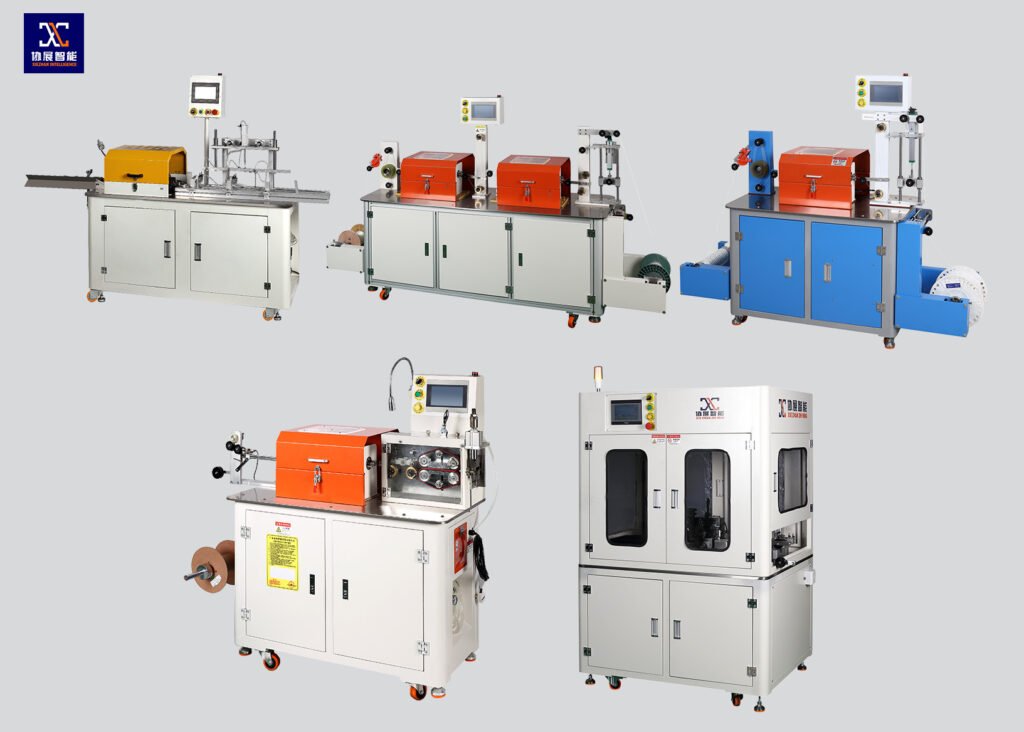
Why Faster Winding Isn’t Always Better in Production
When a buyer asks, “Can we increase winding speed without raising defects?”, the honest answer is: yes—but only within a controlled window. Push beyond that, and defect rates rise faster than output gains. In real production, the goal isn’t maximum speed, but stable throughput with predictable quality.
The Real Problem: Why Does Higher Winding Speed Increase Defect Rate?
From years of working with heating element manufacturers and resistance wire factories, the issue is rarely the machine alone. It’s the interaction between material behavior, machine control, and process stability.
1. Material Response Changes at High Speed
Resistance wire—especially NiCr or FeCrAl—behaves differently when tension changes rapidly. At higher speeds:
- Wire tension becomes unstable
- Elastic recovery increases
- Micro-deformation leads to coil inconsistency
This is why even a high-end winding machine can produce uneven coils if pushed beyond its optimal range.
2. Machine Control Limits
Not all machines respond equally to speed increases. Lower-end systems often lack:
- Real-time tension feedback
- Servo synchronization accuracy
- Stable feeding systems
According to industry data (European heating element association reports), defect rates can increase by 15–25% when speed exceeds calibrated limits without adaptive control.
3. Operator Adjustment Delay
At higher speeds, even small deviations escalate quickly. Operators simply don’t have enough reaction time to correct:
- Wire misalignment
- Pitch variation
- Coil overlap issues
How to Balance Winding Speed and Defect Rate in Real Production?
Instead of chasing maximum RPM, experienced factories define a “stable production window.” This is where output and quality are both acceptable—and predictable.
Step 1: Define Your Material Threshold
Different wire types behave differently:
| Material Type | Speed Sensitivity | Typical Defect Risk | Recommended Approach |
|---|---|---|---|
| NiCr Wire | High | Coil deformation | Moderate speed + tension control |
| FeCrAl | Medium | Pitch inconsistency | Balanced speed |
| Flat Wire | Very High | Twisting / misalignment | Low speed + precision guide |
Step 2: Match Machine Capability
A common mistake is assuming all machines can scale speed equally. In reality:
- Entry-level machines → stable at low-mid speed
- Servo-controlled machines → better high-speed consistency
- Custom machines → optimized for specific products
If you’re evaluating options, you can review different configurations here: winding machine solutions
Step 3: Use Process-Based Speed Optimization
Instead of fixed speed, leading factories adjust speed based on:
- Coil diameter
- Wire diameter
- Pitch requirement
A study published in IEEE manufacturing research shows that adaptive speed control can reduce defect rates by up to 18% compared to fixed-speed operation.
—What Most Suppliers Won’t Tell You
Many suppliers highlight maximum speed. But experienced buyers focus on:
- Stable production speed (not peak)
- Repeatability across batches
- Maintenance impact at high speed
In our experience as a winding machine manufacturer, customers who prioritize stability over peak speed achieve lower long-term cost per unit—even if initial output looks lower.
You can see how different clients approached this balance here: client cooperation cases
—Common Misjudgments in Speed vs Quality Decisions
Mistake 1: “Faster Machine = Better Productivity”
Reality: If defect rate rises from 2% to 8%, your effective output drops.
Mistake 2: Ignoring Downstream Impact
Poor winding quality affects:
- Assembly efficiency
- Heating performance consistency
- Final product lifespan
Mistake 3: No Testing Phase
Serious buyers always request sample trials before finalizing machine specs.
—How We Approach This as a Manufacturer
At our factory, we don’t push a fixed speed number. Instead, we:
- Test with your actual wire material
- Define optimal speed range
- Adjust machine configuration accordingly
If you want to understand how we build machines around real production needs, you can check: about our engineering approach
—FAQ: What Buyers Usually Ask Before Choosing a Machine
Do your machines meet international standards?
Yes. Most systems comply with CE requirements, and production follows ISO9001 quality control processes.
Can you customize for our product?
Absolutely. In fact, over 60% of our delivered machines are customized based on coil type, material, and production targets.
What is the typical lead time?
Standard machines: 35–55 days. Customized solutions: 40–60 days depending on complexity.
—Final Thought: Speed Is a Tool, Not the Goal
In winding production, speed only creates value when it’s controlled. The real advantage comes from knowing where your limits are—and operating just below them, consistently.
If you’re currently evaluating equipment or trying to reduce defect rates, it’s worth having a technical discussion first: contact our team